10 Best High Protein Foods for Women Over 65 to Protect Muscle and Bone: Delicious Options You'll Actually Enjoy Eating

As you get older, your body needs more help to keep your muscles and bones strong. Eating enough protein each day becomes more important after age 65. Getting the right high-protein foods in your diet can help prevent muscle loss and keep your bones healthy as you age.
Many women over 65 don't eat enough protein to support their bodies. This can lead to weak muscles, brittle bones, and a higher risk of falls. The good news is that adding protein-rich foods to your meals is easier than you think.
This guide covers ten of the best protein sources for women over 65. You'll learn why each food is beneficial and how protein supports your body as you age. You'll also discover tips to get the most nutrition from your high-protein meals.
Greek yogurt (plain, low-fat)
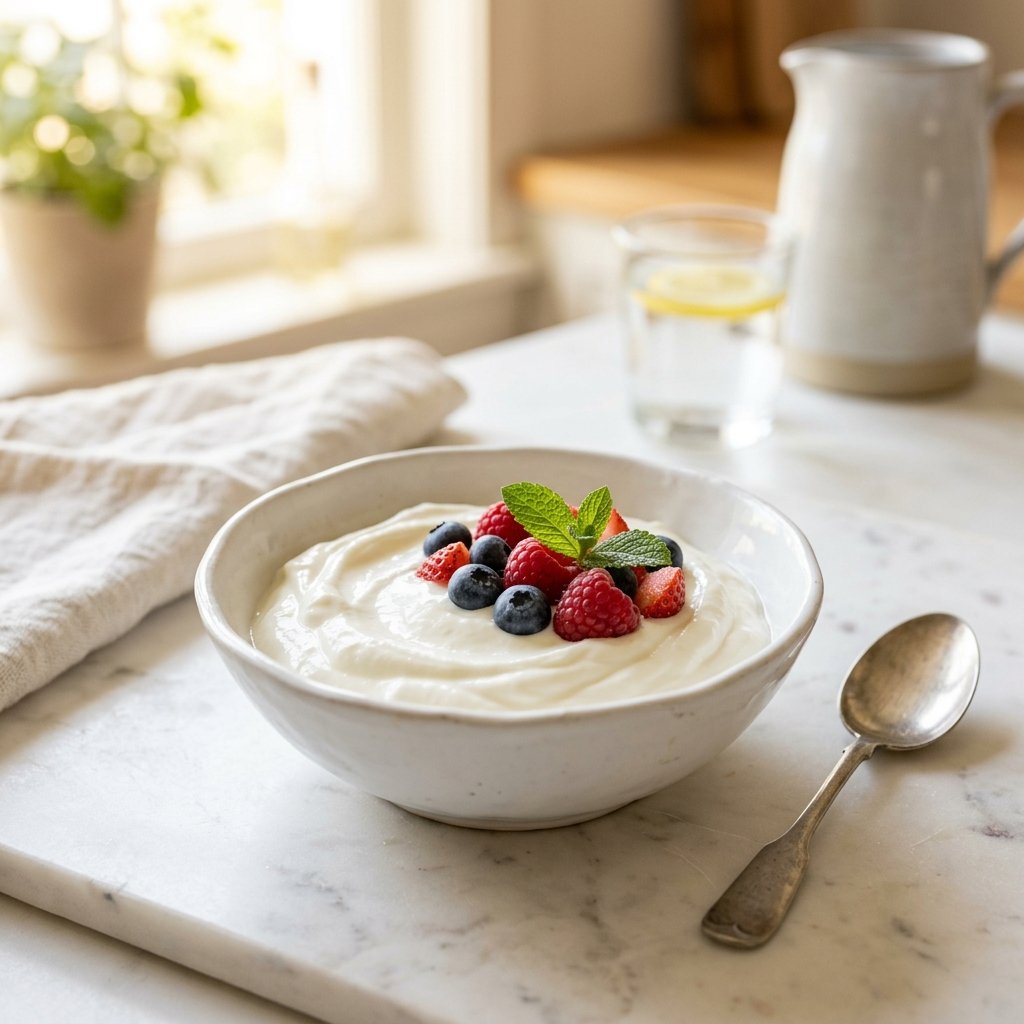
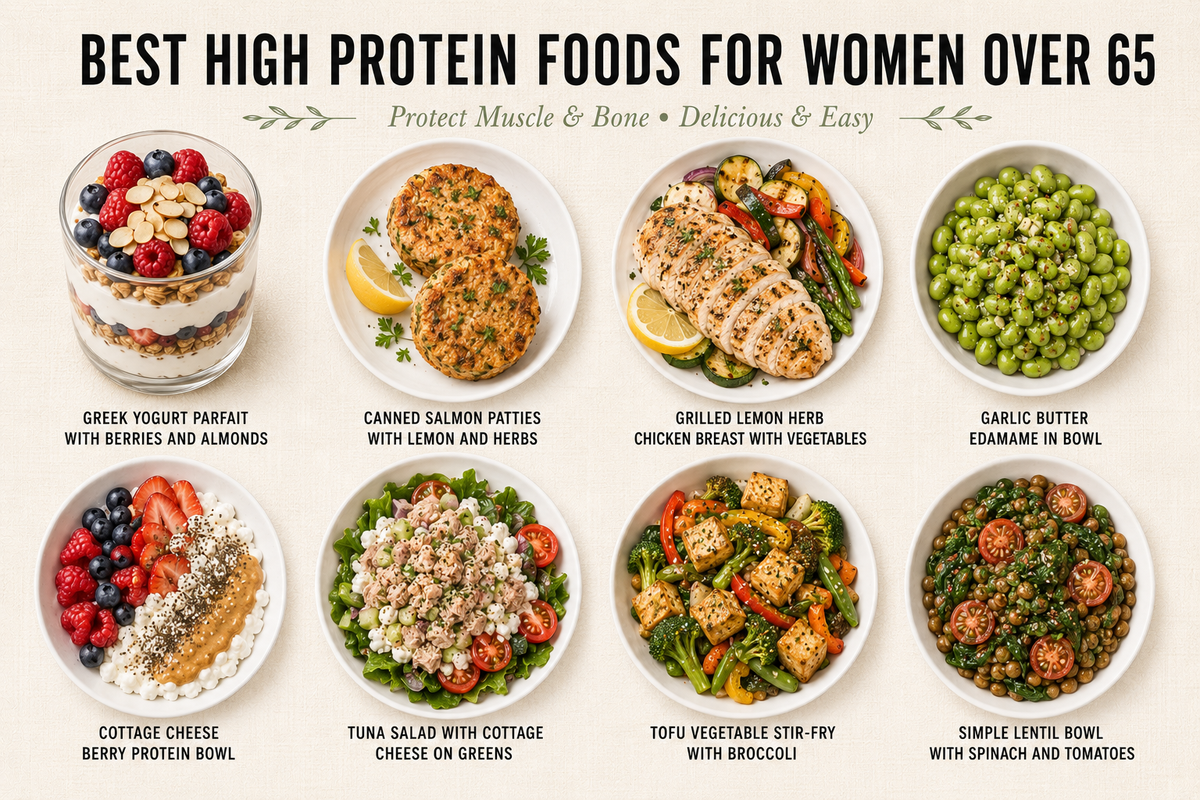
Greek Yogurt Parfait with Berries and Almonds (180 calories | 15g protein per serving)
Greek yogurt is a protein powerhouse that's perfect for women over 65. This simple parfait takes just minutes to make and delivers both protein and calcium for your muscles and bones. It works great as a quick breakfast or afternoon snack. The probiotics in Greek yogurt also support your digestive health.
Ingredients
- 3/4 cup plain low-fat Greek yogurt
- 1/2 cup mixed fresh berries (strawberries, blueberries, or raspberries)
- 2 tablespoons sliced almonds
- 1 teaspoon honey (optional)
- 1/4 teaspoon vanilla extract
Instructions
- Place the Greek yogurt in a bowl or glass.
- Stir in the vanilla extract until well mixed.
- Top the yogurt with fresh berries.
- Sprinkle the sliced almonds over the berries.
- Drizzle with honey if you want extra sweetness.
Add a tablespoon of ground flaxseed for extra fiber and omega-3 fatty acids.
Canned Salmon with Bones
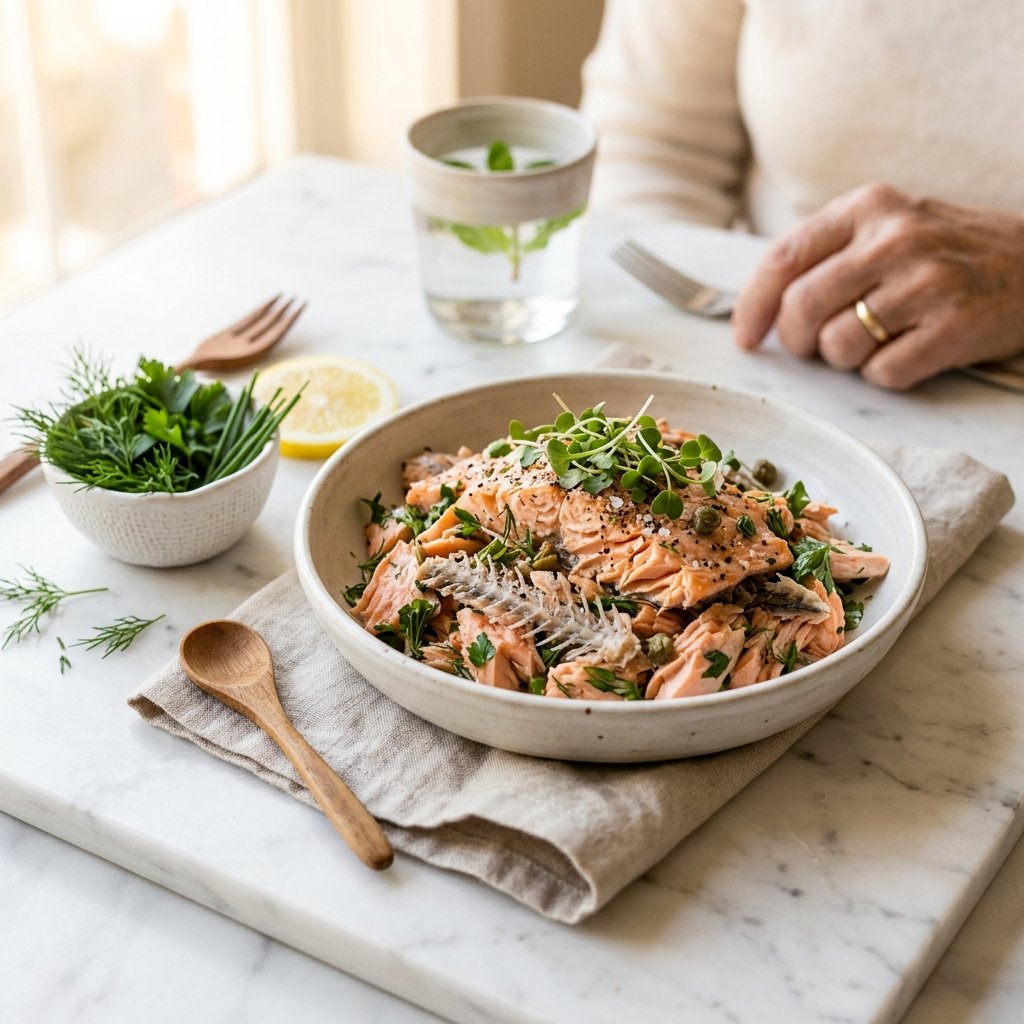
Canned Salmon Patties (180 calories | 22g protein per serving)
Canned salmon with bones is a powerhouse food for women over 65. The soft, edible bones provide calcium that supports bone strength while the salmon delivers high-quality protein for muscle maintenance. This recipe turns a simple can of salmon into delicious patties that take just 20 minutes to make. The bones are so soft you won't even notice them, but your bones will thank you for the extra calcium boost.
Ingredients
- 1 can (14.75 oz) salmon with bones, drained
- 1/3 cup breadcrumbs
- 1 large egg
- 2 tablespoons mayonnaise
- 1 tablespoon lemon juice
- 1/4 teaspoon black pepper
- 1/4 teaspoon garlic powder
- 2 tablespoons olive oil for cooking
Instructions
- Empty the canned salmon into a mixing bowl and use a fork to mash it, including all the soft bones.
- Add the breadcrumbs, egg, mayonnaise, lemon juice, pepper, and garlic powder to the bowl.
- Mix everything together with your hands or a fork until well combined.
- Shape the mixture into 4 equal-sized patties, about 3/4 inch thick.
- Heat the olive oil in a large skillet over medium heat for 1 minute.
- Place the patties in the hot skillet and cook for 4
Skinless Chicken Breast
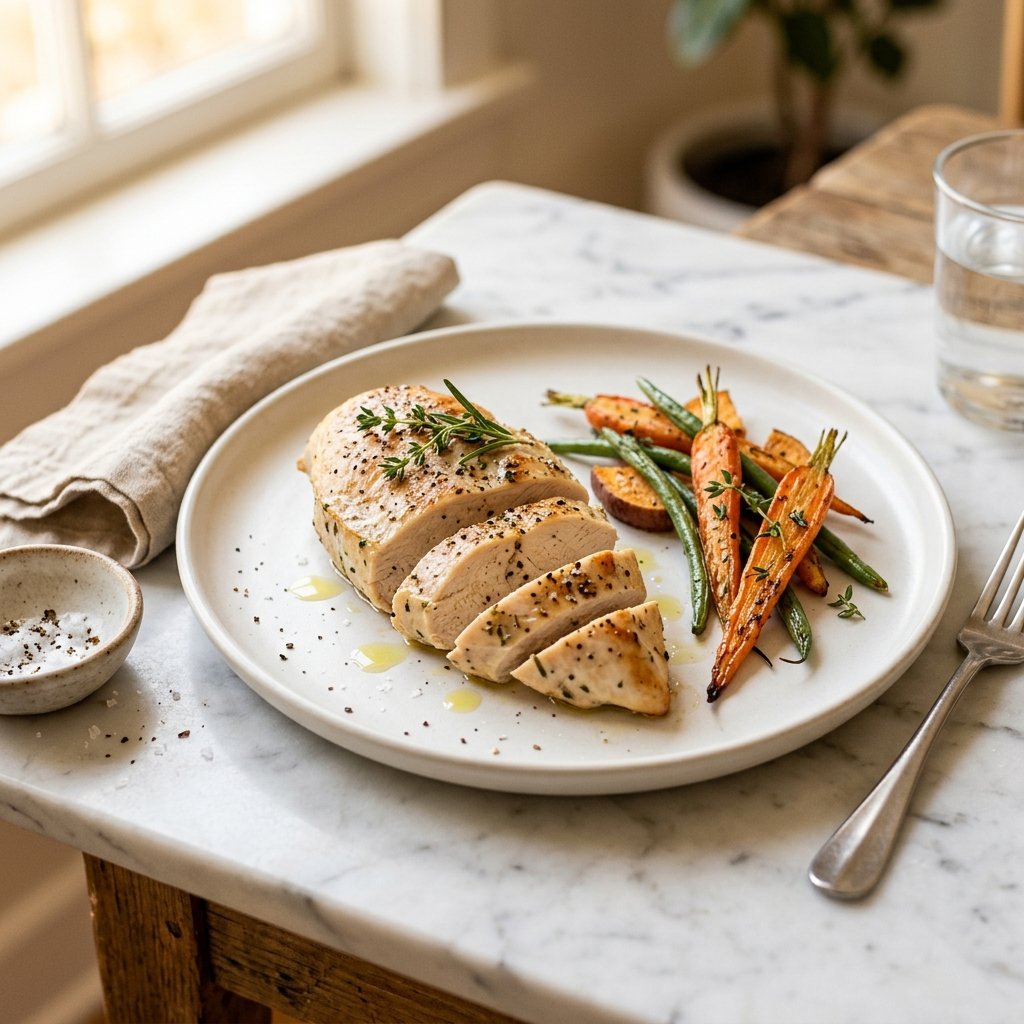
Grilled Lemon Herb Chicken Breast (165 calories | 31g protein per serving)
Skinless chicken breast is one of the leanest protein sources you can eat. A single 4-ounce serving gives you around 31 grams of protein with very little fat. This grilled lemon herb version is perfect for meal prep since you can make several pieces at once. The protein in chicken helps maintain your muscle mass and keeps your bones strong as you age.
Ingredients
- 4 boneless, skinless chicken breasts (about 4 ounces each)
- 2 tablespoons olive oil
- 2 tablespoons fresh lemon juice
- 2 cloves garlic, minced
- 1 teaspoon dried oregano
- 1 teaspoon dried basil
- 1/2 teaspoon salt
- 1/4 teaspoon black pepper
Instructions
- Mix the olive oil, lemon juice, garlic, oregano, basil, salt, and pepper in a small bowl.
- Place the chicken breasts in a shallow dish and pour the marinade over them. Let them sit in the refrigerator for at least 30 minutes.
- Preheat your grill or grill pan to medium-high heat.
- Remove the chicken from the marinade and place it on the grill. Cook for 6-7 minutes on each side until the internal temperature reaches 165°F.
- Let the chicken rest for 5 minutes before slicing and serving.
Swap the herbs for your favorite spice blend like Cajun seasoning or Italian herbs for a different flavor.
Edamame (shelled)
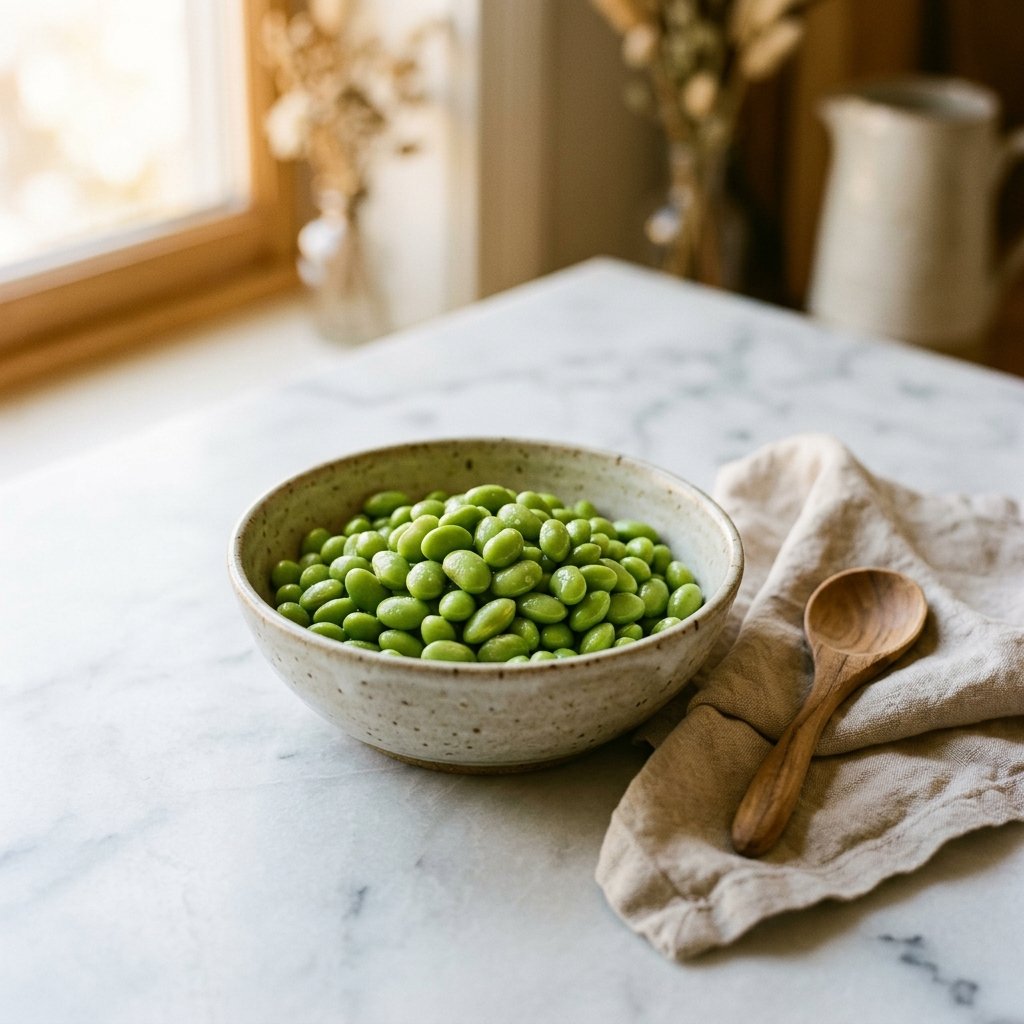
Garlic Butter Edamame (180 calories | 17g protein per serving)
Shelled edamame makes a quick and protein-rich side dish that takes less than 10 minutes to prepare. One cup of edamame gives you about 17 grams of plant-based protein along with fiber and iron. This recipe adds garlic and butter for extra flavor that makes eating your protein enjoyable. It's perfect when you need a fast addition to any meal or want a warm snack.
Ingredients
- 2 cups shelled edamame (frozen)
- 2 tablespoons butter
- 3 cloves garlic, minced
- 1/4 teaspoon salt
- 1/4 teaspoon black pepper
- 1 tablespoon lemon juice
Instructions
- Bring a medium pot of water to boil and add the frozen edamame.
- Cook for 4-5 minutes until the edamame is tender and bright green.
- Drain the edamame well in a colander.
- Melt butter in a large skillet over medium heat.
- Add the minced garlic and cook for 1 minute until it smells good.
- Add the drained edamame to the skillet and stir to coat with the garlic butter.
- Season with salt and pepper, then cook for 2 more minutes.
- Remove from heat and stir in the lemon juice before serving.
Try sprinkling red pepper flakes on top for a spicy kick, or use olive oil instead of butter for a dairy-free version.
Eggs (particularly whites)
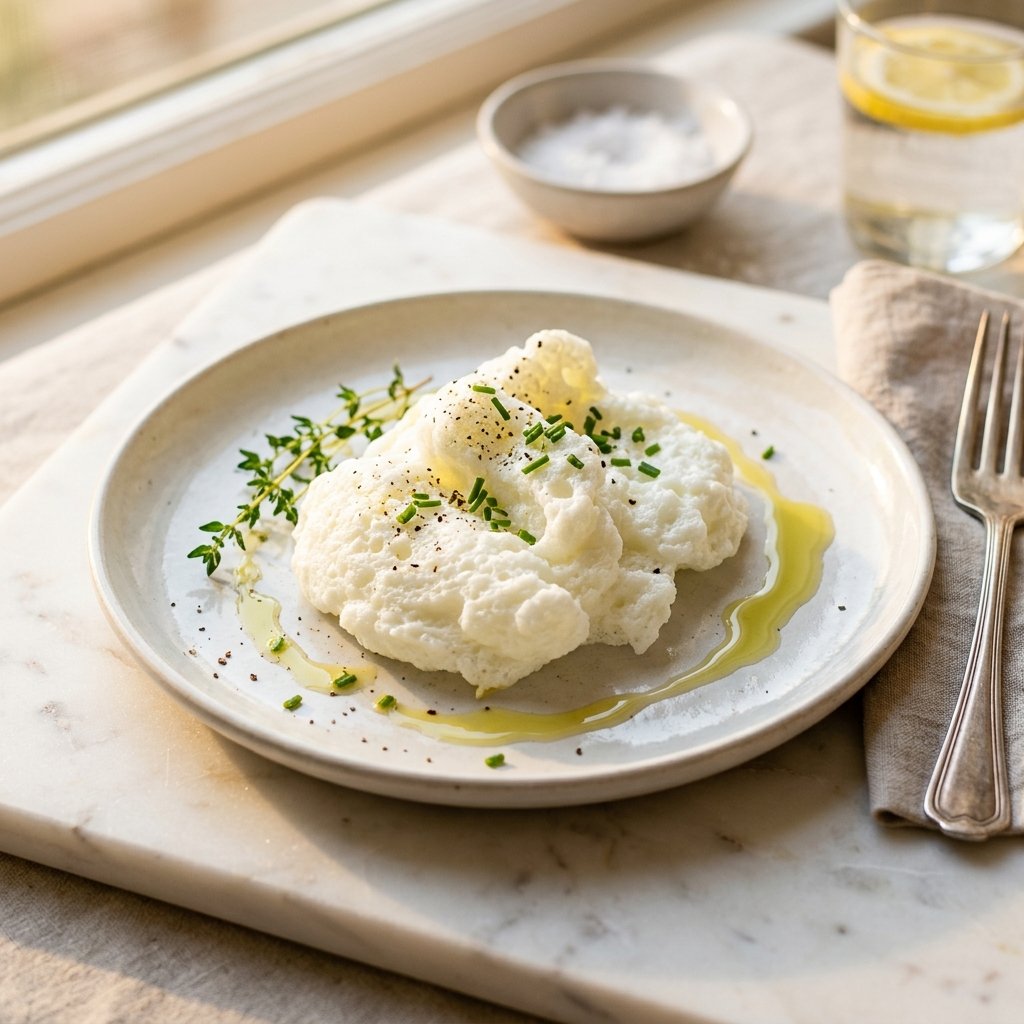
Eggs are one of the most affordable and complete protein sources you can find. Egg whites are especially valuable because they deliver pure protein with almost no fat or calories. A single large egg white contains about 17 calories and 4 grams of protein, making it perfect for women over 65 who want to protect their muscles without adding extra calories.
1. Veggie-Packed Egg White Scramble (120 calories | 20g protein per serving)
This scramble uses egg whites as the base with colorful vegetables for added vitamins and fiber. It's quick to make and perfect for breakfast or lunch. The high protein content helps maintain muscle mass while keeping calories low. You can prepare the vegetables ahead of time to make this even faster on busy mornings.
Ingredients
- 6 large egg whites
- 1/4 cup diced bell peppers
- 1/4 cup chopped spinach
- 2 tablespoons diced onion
- 1/4 teaspoon salt
- 1/8 teaspoon black pepper
- 1 teaspoon olive oil
Instructions
- Heat the olive oil in a non-stick pan over medium heat.
- Add the bell peppers and onions, cooking for 2-3 minutes until softened.
- Toss in the spinach and cook until wilted, about 1 minute.
- Pour the egg whites into the pan and season with salt and pepper.
- Stir gently with a spatula, cooking for 3-4 minutes until the eggs are fully set but still soft.
- Remove from heat and serve immediately.
Add a sprinkle of low-fat cheese on top for extra calcium and flavor.
Lentils (cooked)
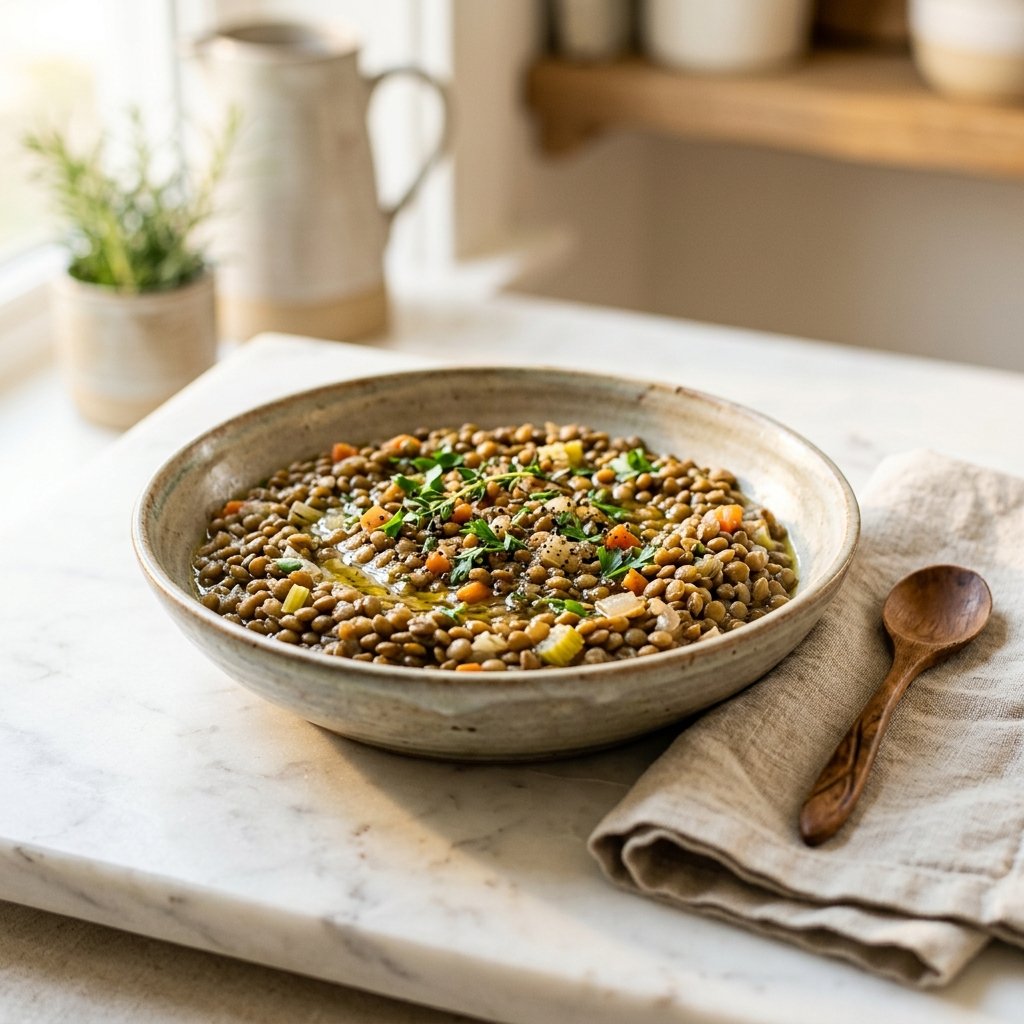
Simple Lentil Bowl (230 calories | 18g protein per serving)
Cooked lentils are one of the best plant-based protein sources for women over 65. This simple bowl provides fiber, iron, and folate along with muscle-building protein. You can prepare a big batch on Sunday and eat it throughout the week. It's gentle on your stomach and easy to customize with your favorite vegetables.
Ingredients
- 1 cup dried green or brown lentils
- 3 cups water or low-sodium vegetable broth
- 1/2 teaspoon salt
- 1/4 teaspoon black pepper
- 1/2 teaspoon garlic powder
- 1 tablespoon olive oil
- 1 cup diced tomatoes
- 1 cup chopped spinach
- 1 tablespoon lemon juice
Instructions
- Rinse the lentils in a colander under cold water and remove any small stones.
- Add lentils and water or broth to a medium pot and bring to a boil over high heat.
- Lower the heat to medium-low and simmer for 20-25 minutes until lentils are tender but not mushy.
- Drain any excess liquid and return lentils to the pot.
- Stir in salt, pepper, garlic powder, and olive oil.
- Add diced tomatoes and spinach, cooking for 2-3 minutes until spinach wilts.
- Remove from heat and stir in lemon juice before serving.
Add crumbled feta cheese or a poached egg on top for extra protein and flavor.
Cottage cheese (low-fat)
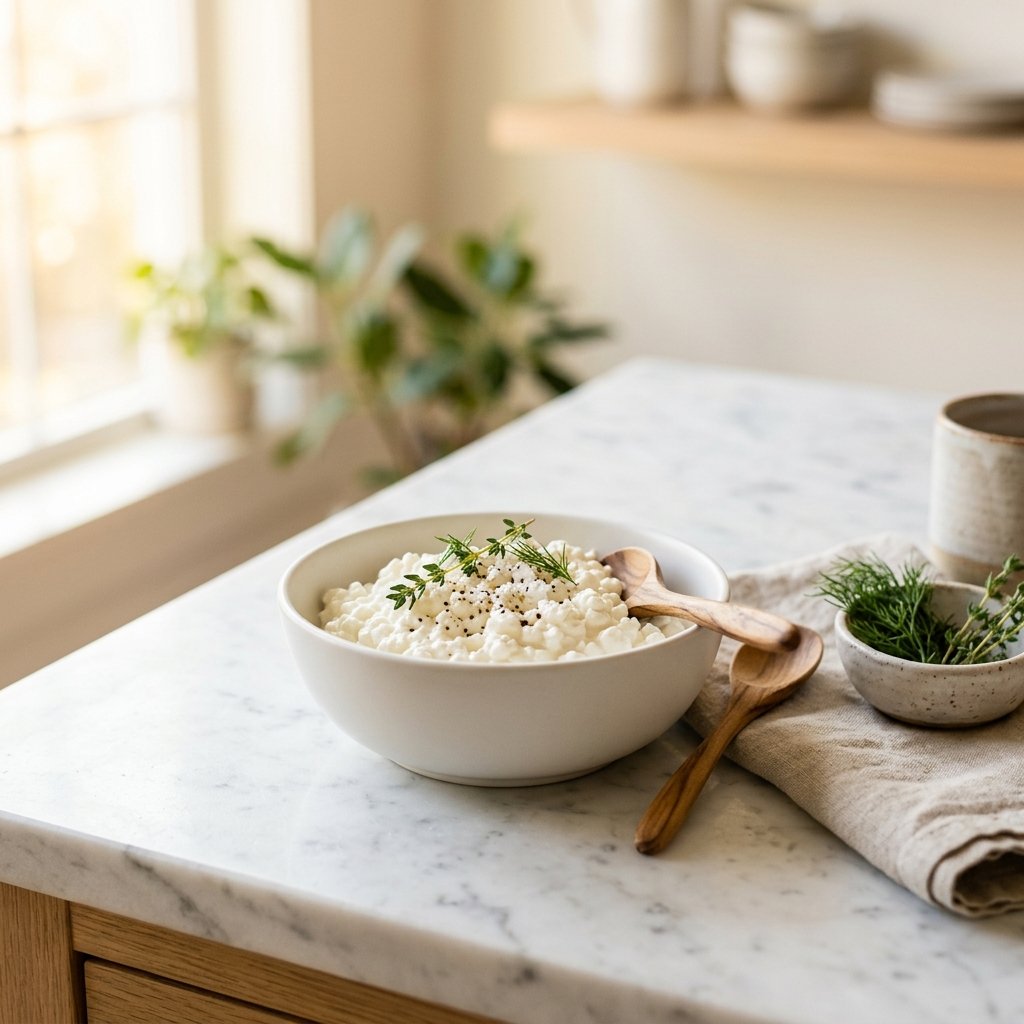
Cottage Cheese and Berry Protein Bowl (180 calories | 24g protein per serving)
Cottage cheese is packed with casein protein, which digests slowly and helps your muscles recover throughout the day. One cup of low-fat cottage cheese delivers about 24 grams of protein with only 180 calories. This makes it perfect for women over 65 who need extra protein without extra calories.
The calcium in cottage cheese also supports bone health, which becomes more important as you age.
Ingredients
- 1 cup low-fat cottage cheese (1% or 2% milkfat)
- ½ cup fresh or frozen blueberries
- ¼ cup sliced strawberries
- 1 tablespoon chopped walnuts
- 1 teaspoon honey (optional)
- ¼ teaspoon cinnamon
Instructions
- Scoop the cottage cheese into a medium-sized bowl.
- Rinse the fresh berries under cold water and pat them dry with a paper towel.
- Arrange the blueberries and strawberries on top of the cottage cheese.
- Sprinkle the chopped walnuts over the berries for added crunch and healthy fats.
- Drizzle honey on top if you want extra sweetness.
- Dust with cinnamon and serve immediately.
Swap berries for diced peaches or pineapple for a tropical twist.
Tuna packed in water
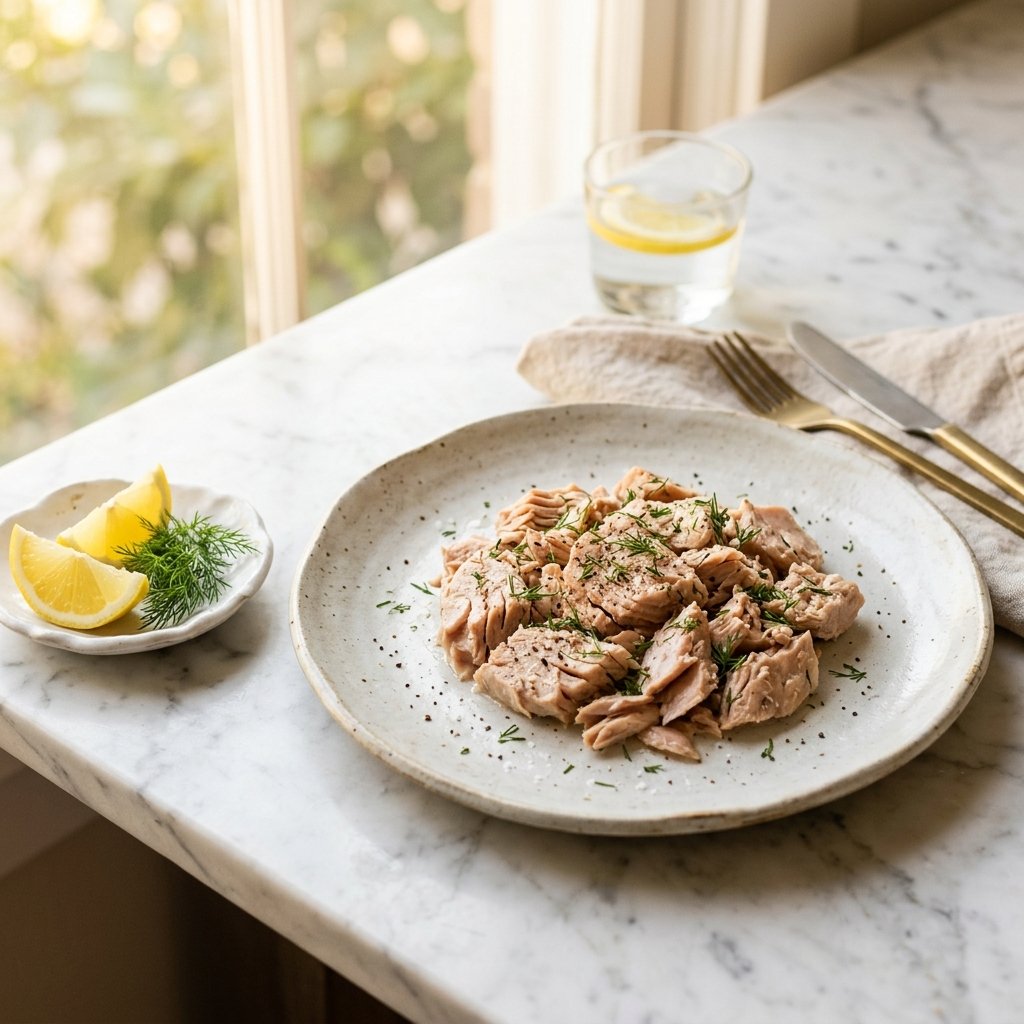
Tuna Salad with Cottage Cheese (220 calories | 38g protein per serving)
Tuna packed in water gives you lean protein without extra oil or fat. One can delivers about 25 grams of protein and pairs perfectly with cottage cheese for even more protein. This recipe is ideal for a quick lunch that supports your muscles and bones. You can make it in under 10 minutes with ingredients you probably already have.
Ingredients
- 1 can (5 oz) tuna packed in water, drained
- 1/2 cup low-fat cottage cheese
- 1/4 cup diced celery
- 2 tablespoons diced red onion
- 1 tablespoon lemon juice
- 1/4 teaspoon black pepper
- 1/4 teaspoon garlic powder
- 2 cups mixed salad greens
Instructions
- Drain the tuna completely and place it in a medium bowl.
- Add the cottage cheese, celery, and red onion to the bowl.
- Squeeze the lemon juice over the mixture and add the black pepper and garlic powder.
- Mix everything together with a fork until well combined.
- Arrange the salad greens on a plate and spoon the tuna mixture on top.
- Serve immediately or refrigerate for up to 2 days.
Swap the cottage cheese for mashed avocado if you want healthy fats instead.
Tofu (firm)
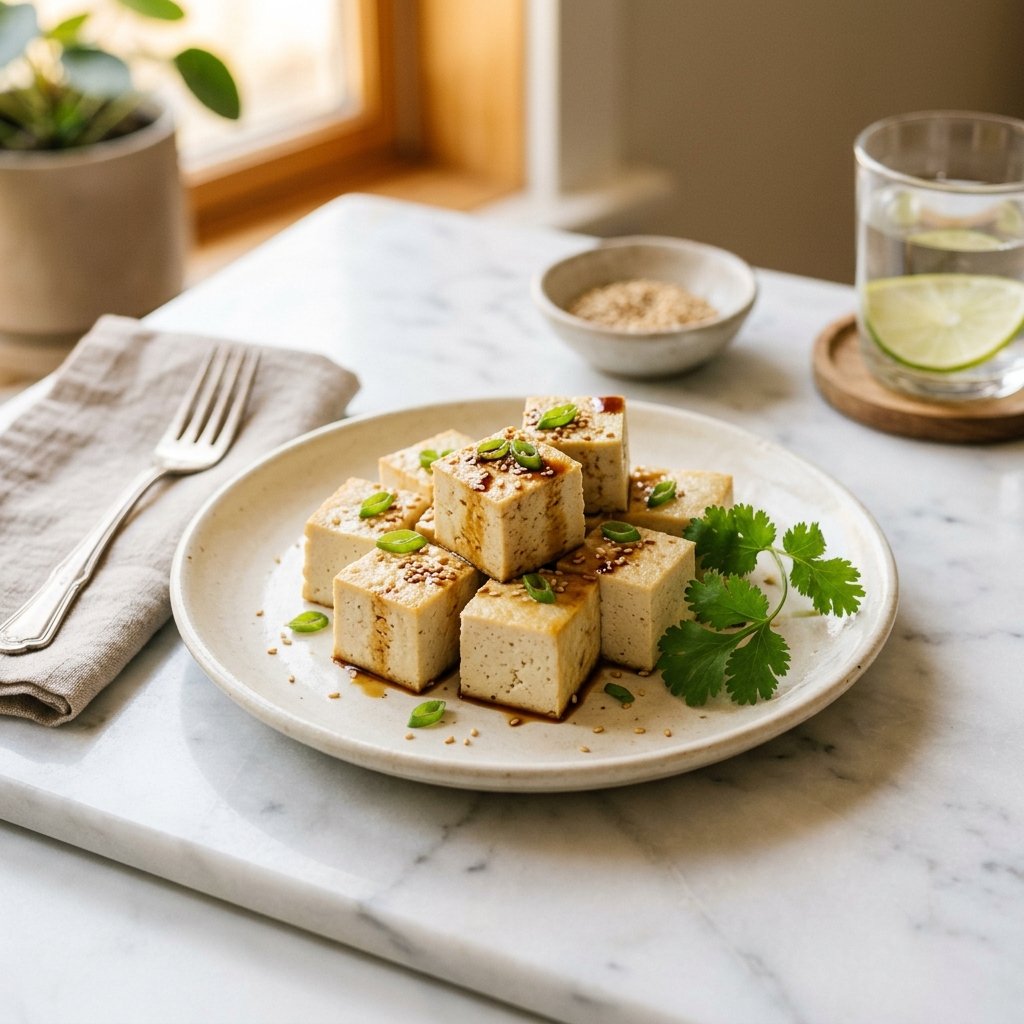
Tofu and Vegetable Stir-Fry (280 calories | 22g protein per serving)
Firm tofu is a plant-based protein powerhouse that's perfect for women over 65. It contains all nine essential amino acids your body needs to maintain muscle. This stir-fry is quick to make and delivers protein along with calcium for your bones. The recipe works great for meal prep since you can store it in the fridge for up to four days.
Ingredients
- 14 oz block firm tofu, pressed and cubed
- 2 tablespoons olive oil
- 2 cups broccoli florets
- 1 red bell pepper, sliced
- 1 cup snap peas
- 3 cloves garlic, minced
- 2 tablespoons low-sodium soy sauce
- 1 tablespoon sesame oil
- 1 teaspoon fresh ginger, grated
- Salt and pepper to taste
Instructions
- Press the tofu between paper towels for 10 minutes to remove excess water, then cut into 1-inch cubes.
- Heat olive oil in a large skillet over medium-high heat.
- Add tofu cubes and cook for 8-10 minutes, flipping occasionally until golden brown on all sides.
- Remove tofu from the skillet and set aside on a plate.
- Add broccoli, bell pepper, and snap peas to the same skillet and cook for 5 minutes until tender-crisp.
- Add garlic and ginger to the vegetables and cook for 1 minute until fragrant.
- Return the tofu to the skillet and pour in soy sauce and sesame oil.
- Toss everything together for 2 minutes until well coated and heated through.
- Season with salt and pepper to your taste.
Add cashews or almonds for extra protein and crunch.
Chia Seeds
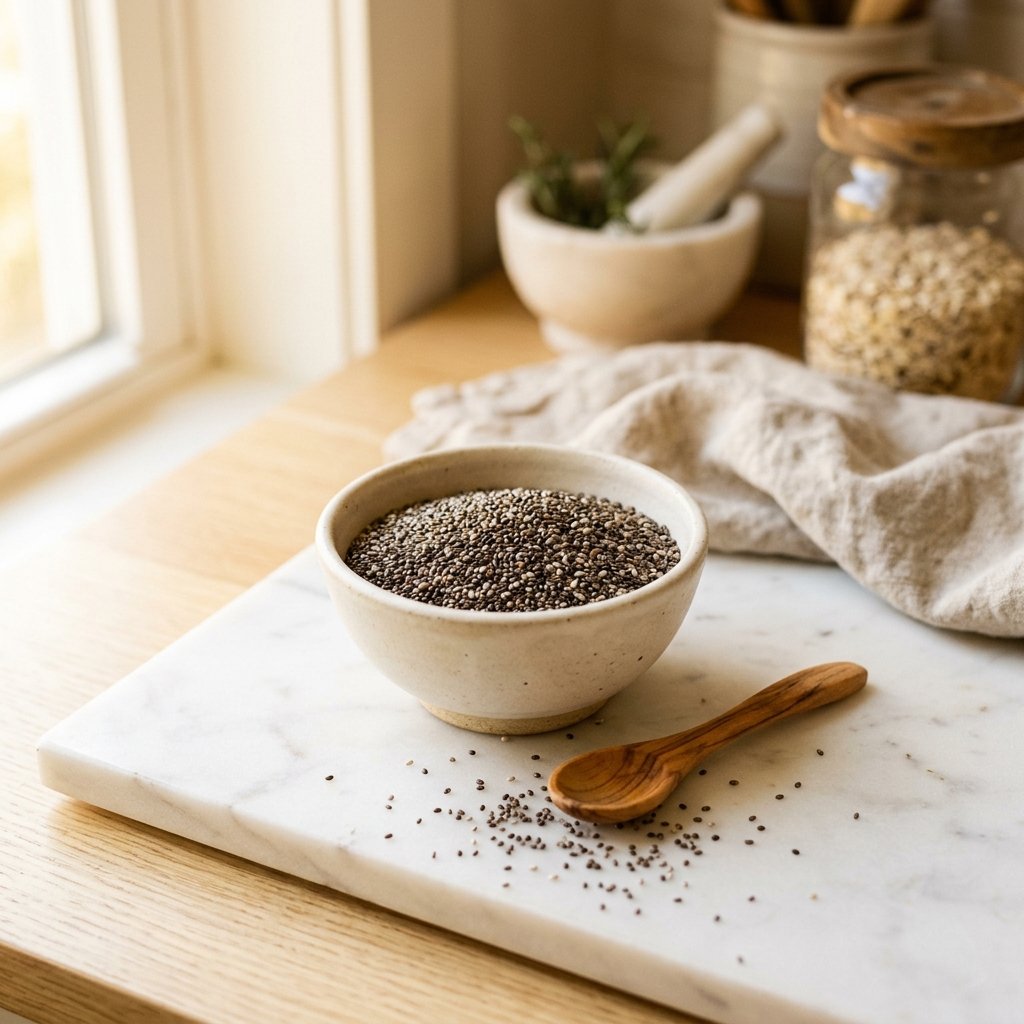
Chia seeds are tiny but powerful when it comes to protein and bone health. Just two tablespoons give you about 4 grams of protein along with calcium, magnesium, and omega-3 fatty acids. These nutrients work together to keep your muscles strong and your bones dense as you age.
You can add chia seeds to almost anything without changing the taste much. They absorb liquid and create a gel-like texture that makes them perfect for puddings and smoothies. Chia seeds also contain fiber that helps with digestion and keeps you feeling full longer.
1. Berry Chia Pudding (180 calories | 8g protein per serving)
This simple chia pudding takes just minutes to prepare and sits in your fridge overnight. The Greek yogurt adds extra protein while the berries provide antioxidants and vitamins. You can make several servings at once and have a ready-to-eat breakfast or snack for days. It's perfect when you want something nutritious but don't have time to cook.
Ingredients
- 3 tablespoons chia seeds
- 1 cup unsweetened almond milk
- 1/2 cup plain Greek yogurt
- 1/2 cup mixed berries (fresh or frozen)
- 1 teaspoon honey (optional)
Instructions
- Mix the chia seeds and almond milk in a bowl or jar.
- Stir well and let sit for 5 minutes, then stir again to prevent clumping.
- Cover and refrigerate for at least 4 hours or overnight.
- In the morning, stir in the Greek yogurt until smooth.
- Top with berries and drizzle with honey if you like sweetness.
Add a tablespoon of chopped walnuts for extra protein and crunch.
How Protein Supports Healthy Aging
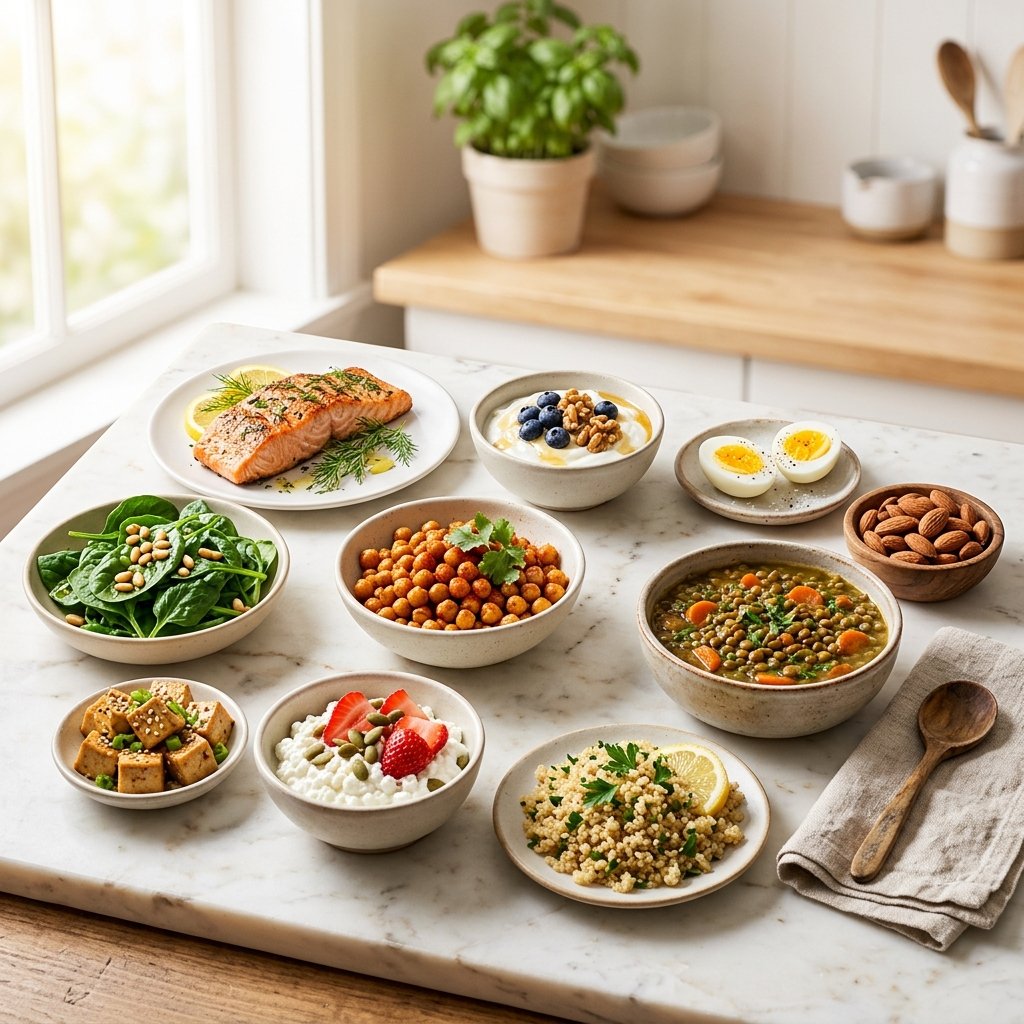
Protein becomes more important as you age because your body needs it to keep muscles strong and bones dense. Women over 65 need to eat enough protein every day to prevent muscle loss and maintain their independence.
Muscle Maintenance After 65
Your body loses muscle mass naturally as you get older. This process is called sarcopenia, and it speeds up after age 65.
Without enough protein, you can lose 3-5% of your muscle mass every decade after turning 30. This loss accelerates even more after 65. The problem is that older bodies don't use protein as efficiently as younger ones.
You need about 25-30 grams of protein per meal to trigger muscle building. Spreading protein throughout the day works better than eating it all at once. Your muscles need this steady supply to stay strong.
Strong muscles help you walk, climb stairs, and live independently. They also protect you from falls and help you recover faster if you do fall.
Protein and Bone Strength
Protein makes up about 50% of your bone volume. Your bones need protein just as much as they need calcium and vitamin D.
Studies show that women who eat more protein have higher bone density. They also have fewer hip fractures. This happens because protein helps your body absorb calcium better and supports the cells that build new bone tissue.
Low protein intake can actually cause your body to take protein from your bones. This makes them weaker over time. Eating 1.0 to 1.2 grams of protein per kilogram of body weight daily helps protect your bones.
Pairing protein with calcium-rich foods gives you the best results for bone health.
Common Myths About Protein in Older Women
Many women worry that eating too much protein will damage their kidneys. Research shows this isn't true if you have healthy kidneys to begin with.
Another myth is that plant protein doesn't work as well as animal protein. While animal proteins are complete proteins, you can get all the amino acids you need from plants by eating a variety throughout the day.
Some women think they get enough protein from small portions. Most women over 65 actually eat less protein than they need. You need more protein as you age, not less.
The myth that protein makes you gain weight is also false. Protein actually helps you maintain a healthy weight by keeping you full longer and preserving muscle mass.
Maximizing Nutrition From High Protein Meals
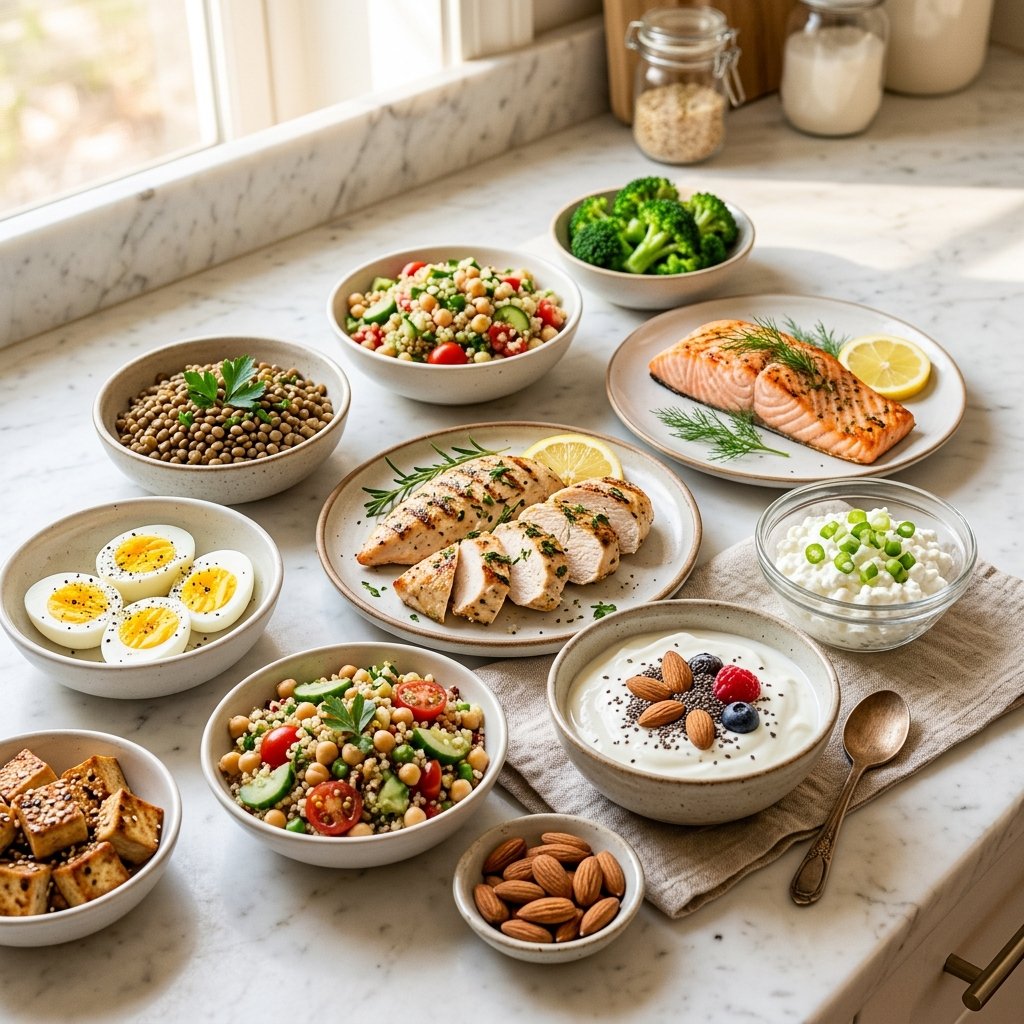
Getting enough protein is just one part of the equation. You also need to combine it with the right nutrients and spread it throughout your day to protect your muscles and bones effectively.
Pairing Protein With Other Nutrients
Your body absorbs and uses protein better when you eat it alongside specific vitamins and minerals. Vitamin D helps your muscles use protein more efficiently, so pair your protein sources with fortified milk, egg yolks, or fatty fish like salmon.
Calcium works together with protein to strengthen your bones. Try combining Greek yogurt with almonds, or enjoy cottage cheese with a glass of fortified orange juice.
Fiber slows down digestion, which helps your body absorb amino acids from protein over a longer period. Add vegetables, whole grains, or beans to your protein-rich meals.
Vitamin C boosts collagen production, which supports your bones and connective tissue. Squeeze lemon on your fish, add tomatoes to your eggs, or eat berries with your yogurt.
Key Nutrient Pairings:
- Protein + Vitamin D = Better muscle function
- Protein + Calcium = Stronger bones
- Protein + Fiber = Steady amino acid absorption
- Protein + Vitamin C = Enhanced collagen formation
Timing and Distribution of Protein Intake
Your body can only process about 25-30 grams of protein at one time for muscle building. Eating more than this in a single meal doesn't provide extra benefits.
Spread your protein intake across three meals instead of loading up at dinner. Aim for 25-30 grams at breakfast, lunch, and dinner to maintain muscle throughout the day.
Eating protein at breakfast is especially important. Studies show that morning protein helps prevent muscle loss better than eating the same amount later in the day.
Your muscles repair themselves most effectively within two hours after physical activity. Have a protein-rich snack or meal after walking, gardening, or exercise.
Sample Daily Distribution:
- Breakfast: 2 eggs + 1 cup Greek yogurt (28g protein)
- Lunch: 4 oz chicken breast + ½ cup beans (40g protein)
- Dinner: 5 oz salmon (35g protein)