10 Easy to Digest Vegan High Protein Foods for Elderly: Gentle Options That Boost Strength and Energy

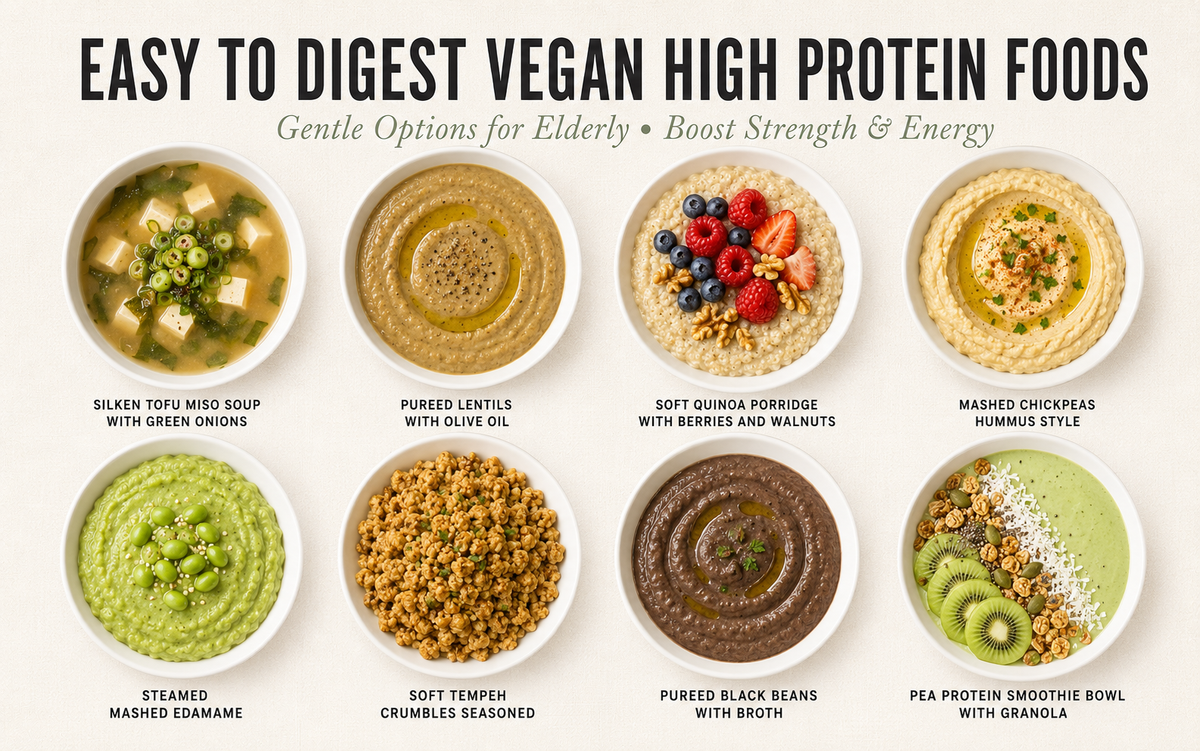
Getting enough protein can be hard for older adults, especially those who follow a plant-based diet. Many vegan protein sources are tough to chew or hard on the stomach. This guide shares ten gentle, high-protein vegan foods that are easy to eat and digest for seniors.
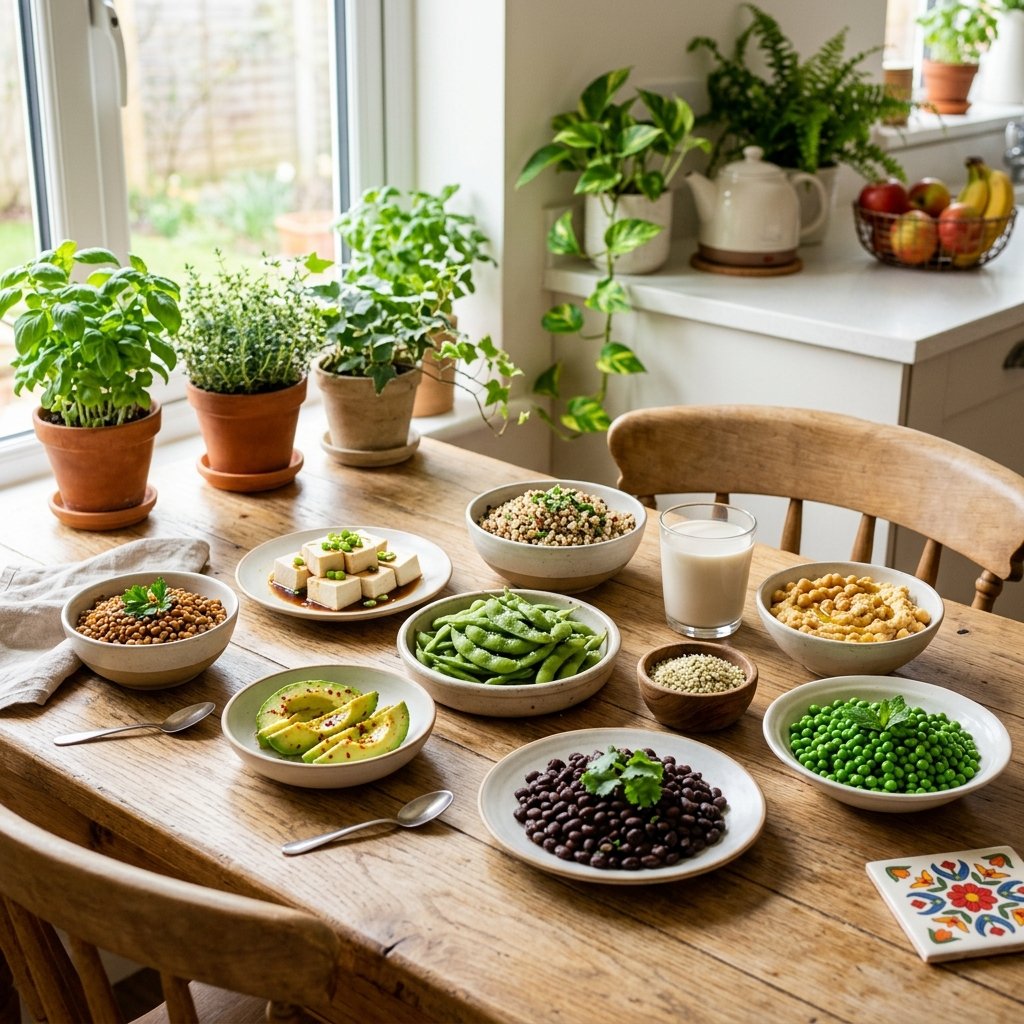
As you age, your body needs protein to keep muscles strong and support healing. But digestion often slows down, making it important to choose foods that are soft and simple to break down. The options in this article are all plant-based and easy on your system.
You'll discover foods like smooth tofu, mashed beans, and soft cooked grains that pack in protein without causing digestive trouble. We'll also cover why plant protein matters for older adults and how to add these foods into your daily meals.
Silken tofu (soft, blended into soups)
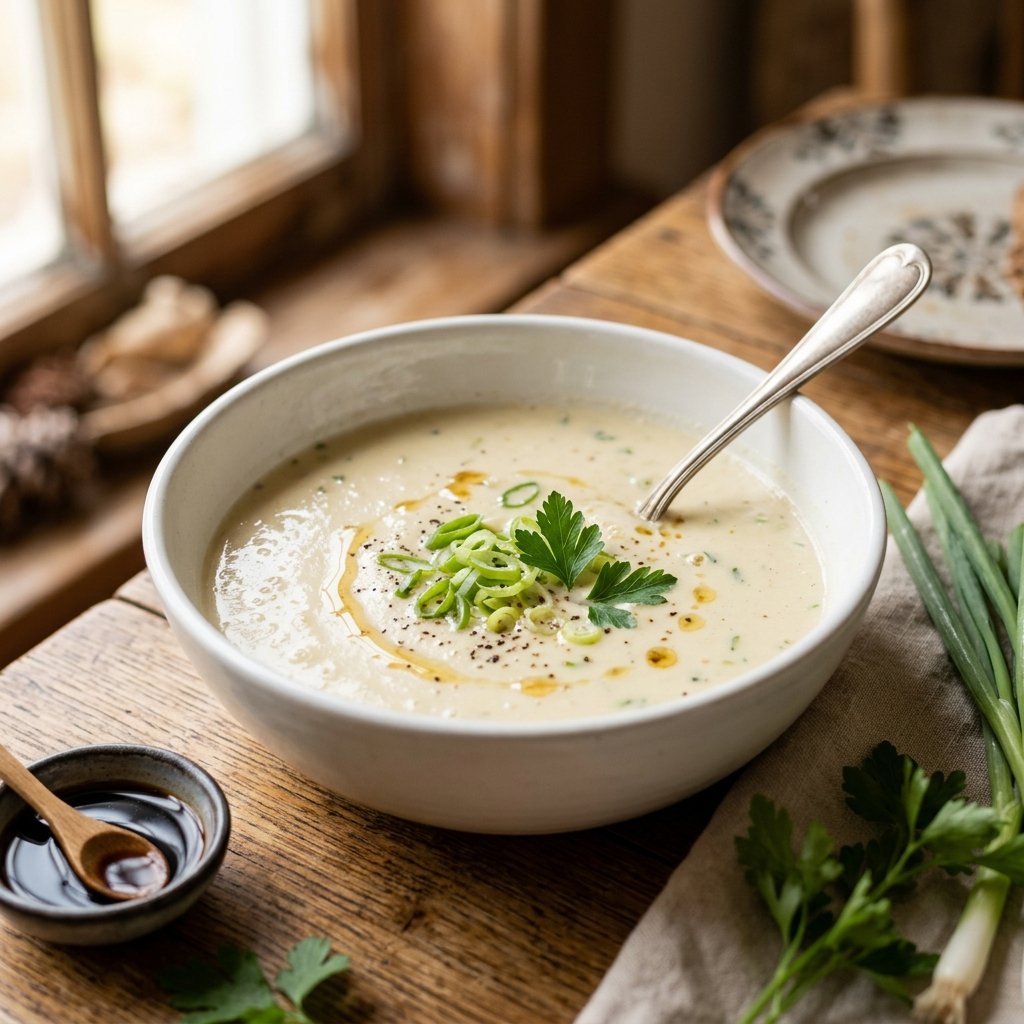
Silken Tofu Miso Soup (80 calories | 8g protein per serving)
Silken tofu has a soft and creamy texture that makes it perfect for elderly people who have trouble chewing. This Japanese-style miso soup is gentle on the stomach and easy to digest. The tofu provides complete protein while the warm broth helps with hydration. You can make this soup in less than 15 minutes for a quick and nutritious meal.
Ingredients
- 4 cups water
- 3 tablespoons white miso paste
- 8 ounces silken tofu, cubed
- 2 green onions, sliced thin
- 1 sheet nori seaweed, cut into small pieces
- 1 teaspoon soy sauce
Instructions
- Heat the water in a medium pot over medium heat until it starts to simmer.
- Remove the pot from heat and add the miso paste, stirring until it dissolves completely.
- Return the pot to low heat and gently add the cubed silken tofu.
- Let the soup warm for 2-3 minutes without boiling, as boiling can make the tofu tough.
- Add the sliced green onions, nori pieces, and soy sauce.
- Stir gently and serve immediately in bowls.
You can blend the tofu directly into the soup before serving for an even smoother texture that's easier to swallow.
Low-sodium cooked lentils (pureed if needed)
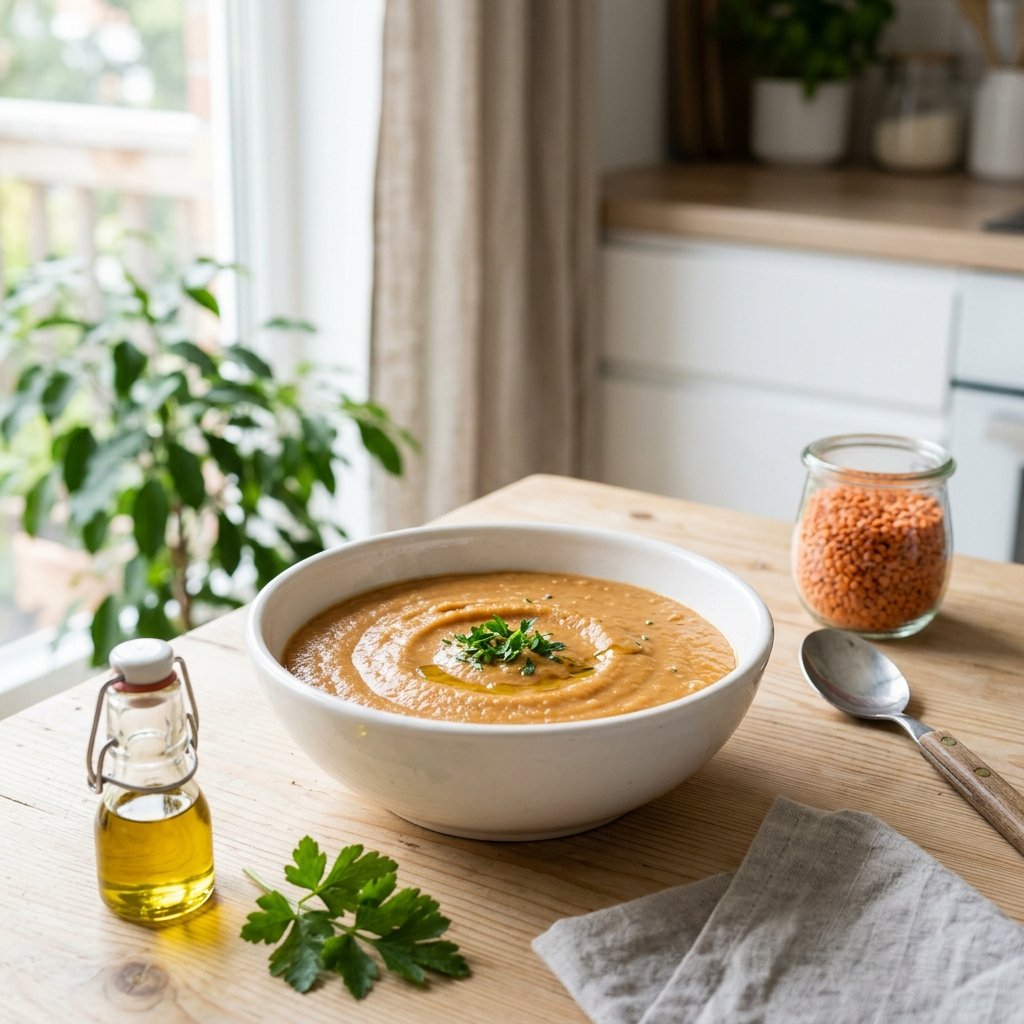
Low-Sodium Lentils (230 calories | 18g protein per serving)
Lentils are one of the easiest plant proteins for your body to break down. A one-cup serving gives you 18 grams of protein without any hard-to-digest fibers when cooked until soft. They're perfect if you need gentle nutrition that won't upset your stomach.
Cooking lentils without added salt keeps your blood pressure in check. You can eat them whole if you can chew comfortably, or blend them into a smooth puree.
Ingredients
- 1 cup dried brown or red lentils
- 3 cups low-sodium vegetable broth
- 1/2 teaspoon garlic powder
- 1/4 teaspoon ground cumin
- 1/4 teaspoon black pepper
- 1 tablespoon olive oil (optional, for smoother texture)
Instructions
- Rinse the lentils in a fine-mesh strainer under cold water for 30 seconds.
- Add the lentils and vegetable broth to a medium pot and bring to a boil over high heat.
- Lower the heat to medium-low and let the lentils simmer for 20-25 minutes until very soft.
- Stir in the garlic powder, cumin, and black pepper during the last 5 minutes of cooking.
- Remove from heat and let cool for 3-4 minutes.
- If you need a pureed texture, transfer the lentils to a blender with the olive oil and blend until completely smooth.
- Add extra broth one tablespoon at a time if the puree is too thick.
Red lentils cook faster and break down more easily than brown lentils, making them ideal if you prefer a naturally softer texture without blending.
Plain Greek-style soy yogurt (unsweetened)
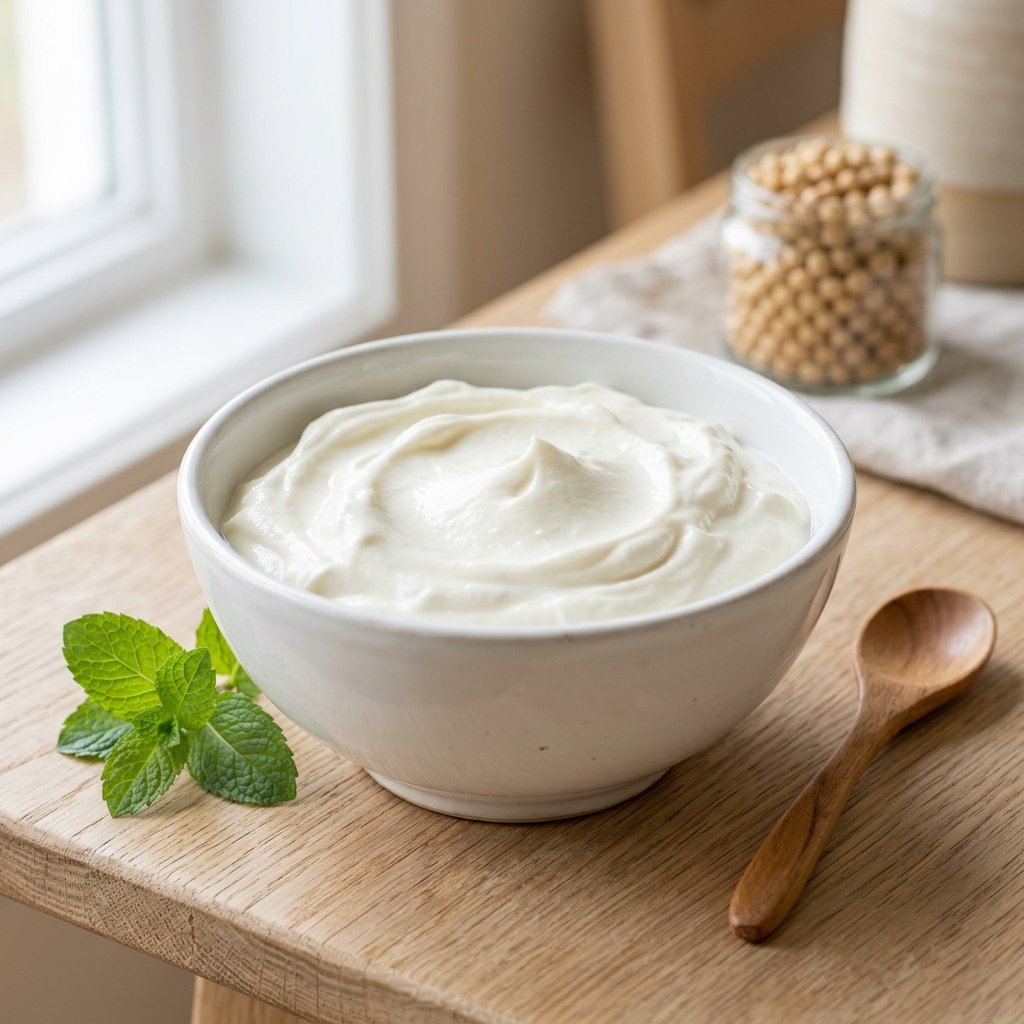
Plain Greek-style soy yogurt (unsweetened) (100 calories | 10g protein per 6 oz serving)
Greek-style soy yogurt gives you a thick and creamy dairy-free option that packs in protein. It has more protein than regular soy yogurt because extra liquid gets strained out during making. This makes it perfect for elderly people who need protein but have trouble with dairy or want plant-based foods.
The smooth texture is gentle on your digestive system. You can eat it plain or add your own toppings to control sweetness and flavor.
Ingredients
- 6 oz plain Greek-style soy yogurt (unsweetened)
- 1 tablespoon ground flaxseed (optional, for extra fiber)
- 1/4 cup fresh berries (optional)
- 1 teaspoon maple syrup (optional, for light sweetness)
Instructions
- Scoop the Greek-style soy yogurt into a bowl.
- Sprinkle ground flaxseed on top if you want extra fiber and omega-3s.
- Add fresh berries like blueberries or strawberries for natural sweetness and vitamins.
- Drizzle a small amount of maple syrup if you prefer a sweeter taste.
- Stir everything together gently and enjoy right away.
Add a handful of chopped walnuts or almonds for extra protein and healthy fats.
Smooth pea protein powder (unflavored)
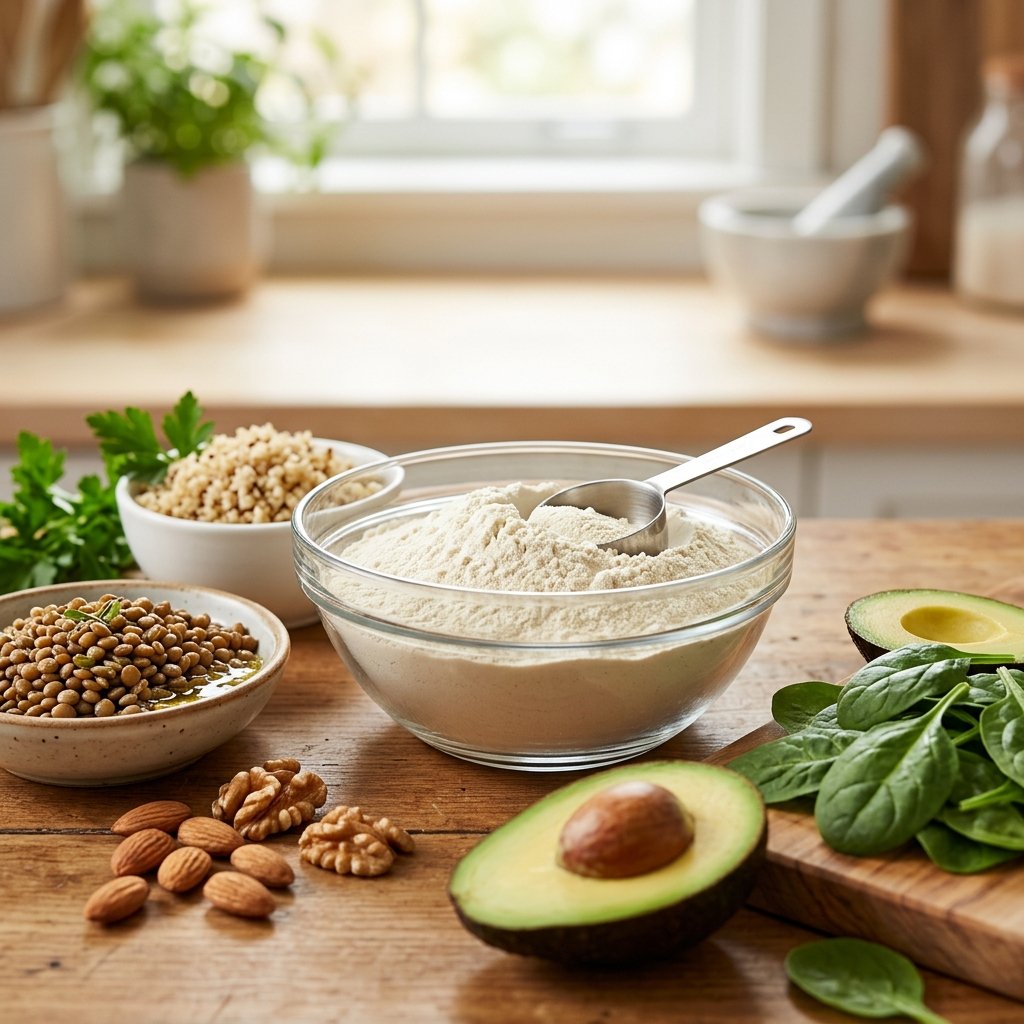
Pea Protein Smoothie Bowl (280 calories | 25g protein per serving)
Pea protein powder is one of the easiest proteins for your body to break down. This smoothie bowl uses unflavored powder so you can control the taste yourself. It works great for seniors who have trouble chewing solid foods or don't feel very hungry in the morning.
The smooth texture is gentle on your stomach. You can eat this any time of day when you need a protein boost.
Ingredients
- 1 scoop unflavored pea protein powder (about 20g)
- 1 cup unsweetened almond milk
- 1 frozen banana
- 1/2 cup frozen blueberries
- 1 tablespoon almond butter
- 1 teaspoon maple syrup
- 1/4 teaspoon vanilla extract
- 2 tablespoons granola for topping
- 5-6 fresh blueberries for topping
Instructions
- Add the almond milk to your blender first.
- Drop in the frozen banana, frozen blueberries, and almond butter.
- Add the pea protein powder, maple syrup, and vanilla extract on top.
- Blend on high speed for 45-60 seconds until completely smooth.
- Pour the mixture into a bowl.
- Sprinkle the granola and fresh blueberries on top.
Add a drizzle of extra almond butter or hemp seeds for more healthy fats and protein.
Mashed canned chickpeas (hummus-style)
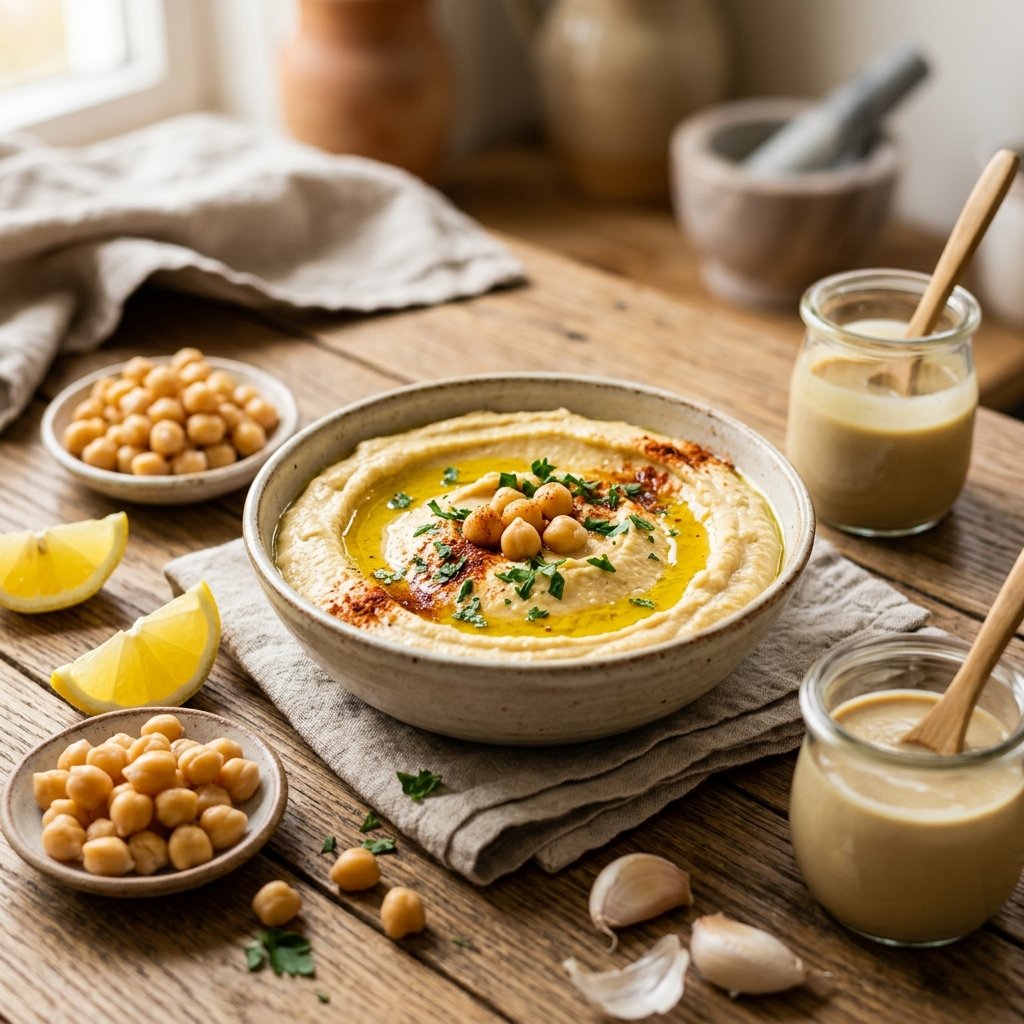
Mashed canned chickpeas (hummus-style) (120 calories | 6g protein per serving)
Mashed chickpeas are a soft, protein-rich food that's easy for older adults to chew and digest. This simple recipe turns canned chickpeas into a creamy spread similar to hummus. It's gentle on the stomach and packed with plant-based protein and fiber.
The smooth texture makes it perfect for anyone with dental issues or trouble swallowing. You can eat it with soft bread or just by the spoonful.
Ingredients
- 1 can (15 oz) chickpeas, drained and rinsed
- 2 tablespoons tahini
- 2 tablespoons lemon juice
- 1 clove garlic, minced
- 2 tablespoons olive oil
- 3 tablespoons water
- 1/4 teaspoon salt
- 1/4 teaspoon cumin (optional)
Instructions
- Pour the drained chickpeas into a medium bowl.
- Use a fork or potato masher to mash the chickpeas until mostly smooth with a few small chunks remaining.
- Add the tahini, lemon juice, minced garlic, olive oil, water, salt, and cumin to the mashed chickpeas.
- Stir everything together until well combined and creamy. Add more water one tablespoon at a time if you want it thinner.
- Taste and add more salt or lemon juice if needed.
Add a pinch of paprika on top for extra flavor, or swap tahini for peanut butter if you prefer a different taste.
Soft-cooked quinoa porridge
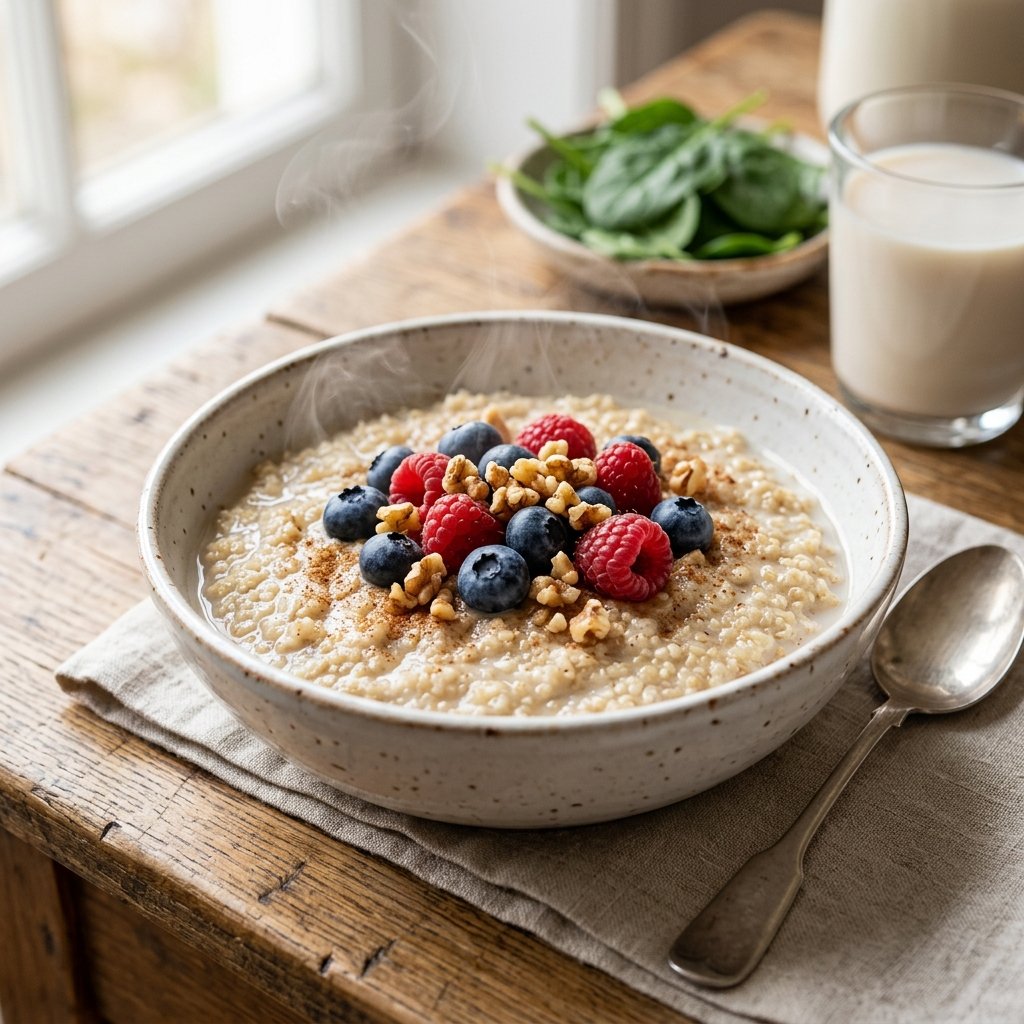
Soft-cooked Quinoa Porridge (240 calories | 9g protein per serving)
Quinoa is a complete protein that contains all nine essential amino acids your body needs. When cooked into a soft porridge, it becomes extremely easy to chew and digest for elderly individuals. This warm breakfast provides steady energy and protein without putting stress on your digestive system. The creamy texture makes it perfect for anyone with dental concerns or difficulty swallowing harder foods.
Ingredients
- 1/2 cup quinoa (rinsed well)
- 1 1/2 cups unsweetened almond milk
- 1 tablespoon ground flaxseed
- 1/2 teaspoon vanilla extract
- 1 tablespoon maple syrup
- 1/4 teaspoon cinnamon
- Pinch of salt
- 2 tablespoons chopped walnuts (optional)
Instructions
- Rinse the quinoa thoroughly under cold water using a fine-mesh strainer.
- Add quinoa and almond milk to a small pot and bring to a boil over medium-high heat.
- Reduce heat to low and simmer for 20-25 minutes, stirring occasionally until quinoa is very soft and most liquid is absorbed.
- Stir in the ground flaxseed, vanilla extract, maple syrup, cinnamon, and salt.
- Continue cooking for 2-3 more minutes while stirring until you reach a creamy porridge consistency.
- Remove from heat and let it sit for 2 minutes to thicken slightly.
- Serve warm and top with chopped walnuts if desired.
Add a mashed banana or soft berries for extra nutrition and natural sweetness.
Steamed and Mashed Edamame
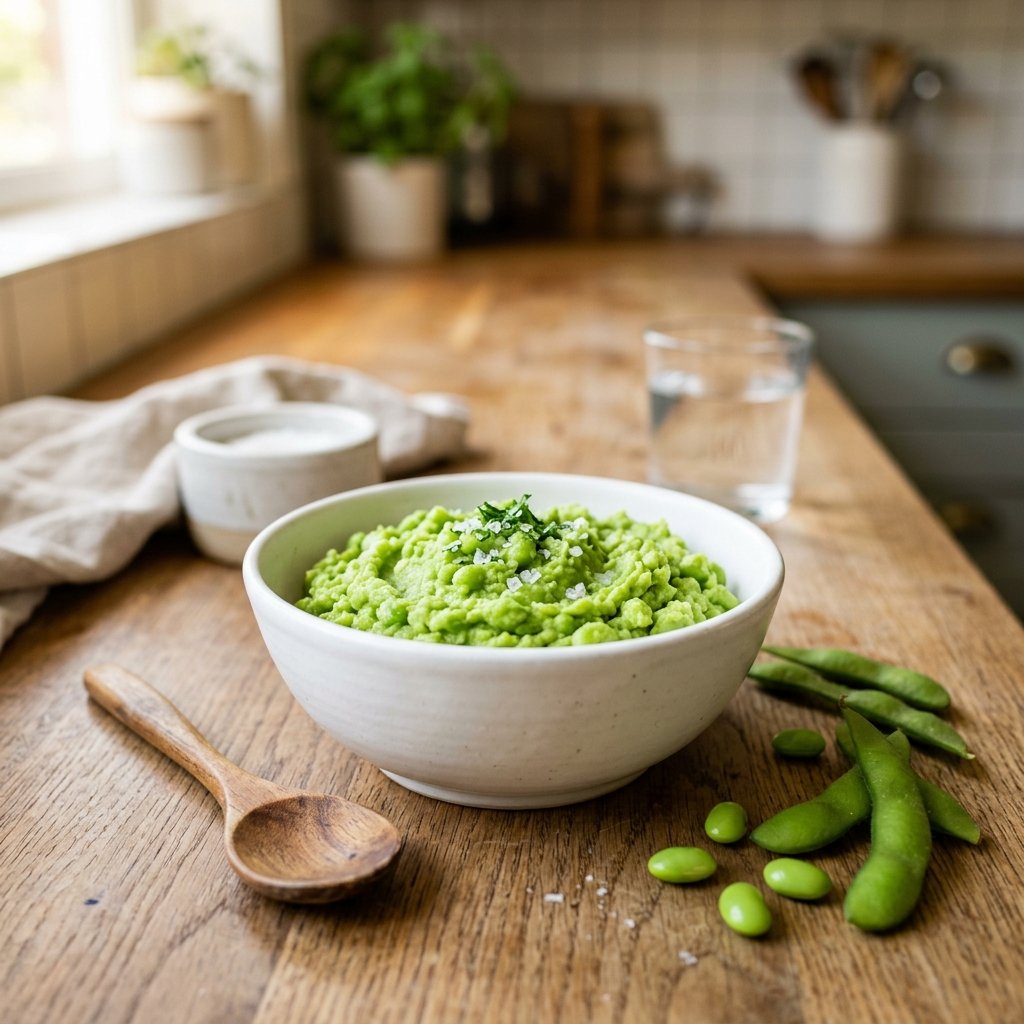
Steamed and Mashed Edamame (120 calories | 11g protein per serving)
Steamed and mashed edamame makes a smooth, protein-rich food that's easy for seniors to chew and digest. Young soybeans are naturally soft when cooked and contain all nine essential amino acids your body needs. This simple preparation takes less than 15 minutes and creates a mild-flavored side dish or spread. The mashing process breaks down the beans even further, making them gentle on your digestive system.
Ingredients
- 2 cups frozen shelled edamame
- 3 cups water
- 1 tablespoon olive oil
- 1/4 teaspoon salt
- 1/8 teaspoon garlic powder (optional)
Instructions
- Bring the water to a boil in a medium pot over high heat.
- Add the frozen edamame to the boiling water and reduce heat to medium.
- Cook for 5-6 minutes until the beans are tender and bright green.
- Drain the edamame in a colander and let cool for 2 minutes.
- Transfer the cooked edamame to a bowl and add olive oil, salt, and garlic powder if using.
- Mash with a fork or potato masher until you reach your desired consistency, leaving some texture or making it completely smooth.
- Serve warm as a side dish or let it cool to use as a spread.
Add a tablespoon of lemon juice for extra flavor and to help your body absorb the iron in the edamame.
Soft tempeh crumbles (well-seasoned)
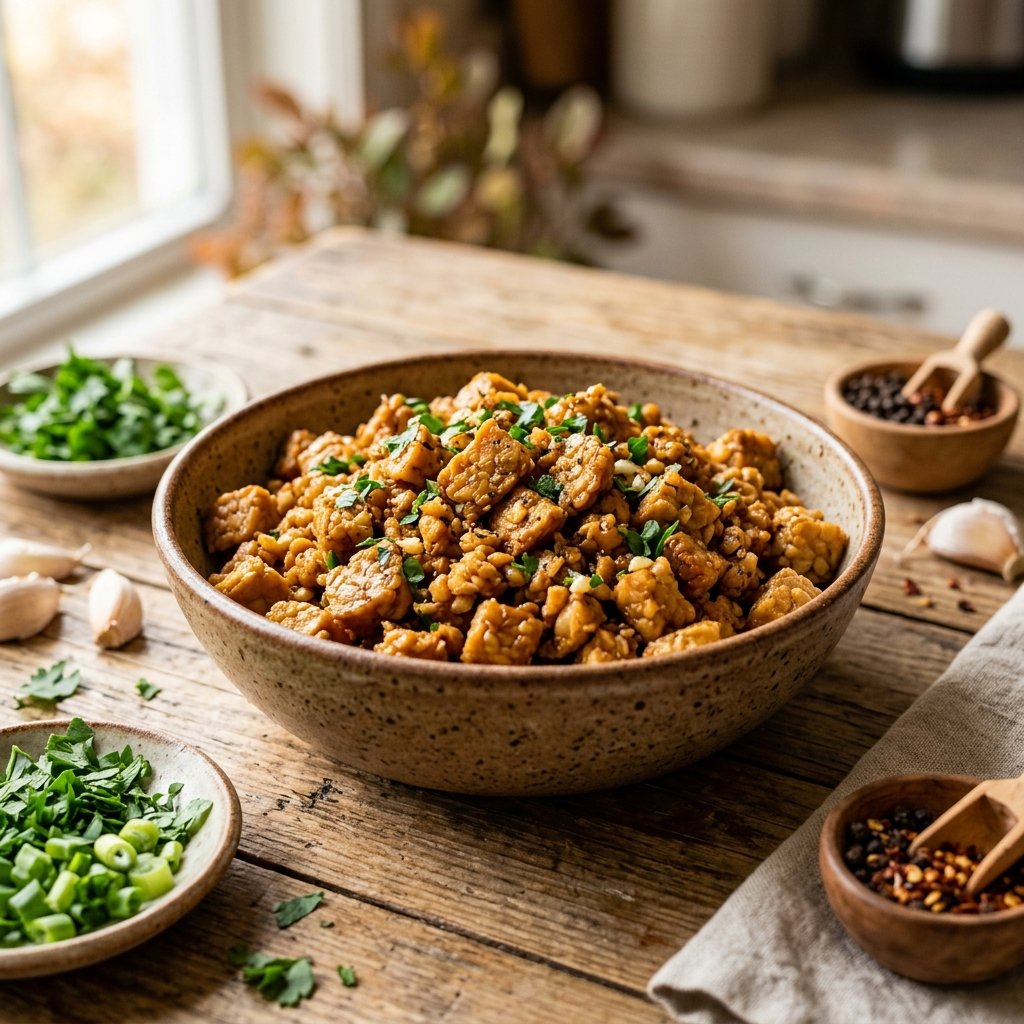
Soft tempeh crumbles (well-seasoned) (180 calories | 16g protein per serving)
Tempeh is made from fermented soybeans and packs a serious protein punch. When crumbled and cooked until soft, it becomes gentle on your digestive system while still giving you all the nutrients you need. The fermentation process makes tempeh easier to digest than regular soybeans, which is perfect for older adults.
This recipe turns plain tempeh into flavorful, soft crumbles you can add to almost any meal. You'll get plenty of protein without any hard or chewy textures.
Ingredients
- 8 oz tempeh block
- 2 cups low-sodium vegetable broth
- 2 tablespoons soy sauce or tamari
- 1 tablespoon olive oil
- 1 teaspoon garlic powder
- 1 teaspoon onion powder
- ½ teaspoon paprika
- ¼ teaspoon black pepper
Instructions
- Cut the tempeh into small chunks, then use your hands or a fork to crumble it into small pieces.
- Pour the vegetable broth into a medium pot and bring it to a boil over medium-high heat.
- Add the tempeh crumbles to the boiling broth and reduce heat to medium-low. Let it simmer for 10 minutes to soften the tempeh.
- Drain the tempeh through a strainer and set it aside.
- Heat the olive oil in a large skillet over medium heat.
- Add the drained tempeh crumbles to the skillet along with soy sauce, garlic powder, onion powder, paprika, and black pepper.
- Cook for 5-7 minutes, stirring often, until the tempeh absorbs the seasonings and turns golden brown.
- Remove from heat and let it cool slightly before serving.
Add these crumbles to mashed sweet potatoes, cream soups, or soft grain bowls for extra protein.
Pureed black beans (with broth)
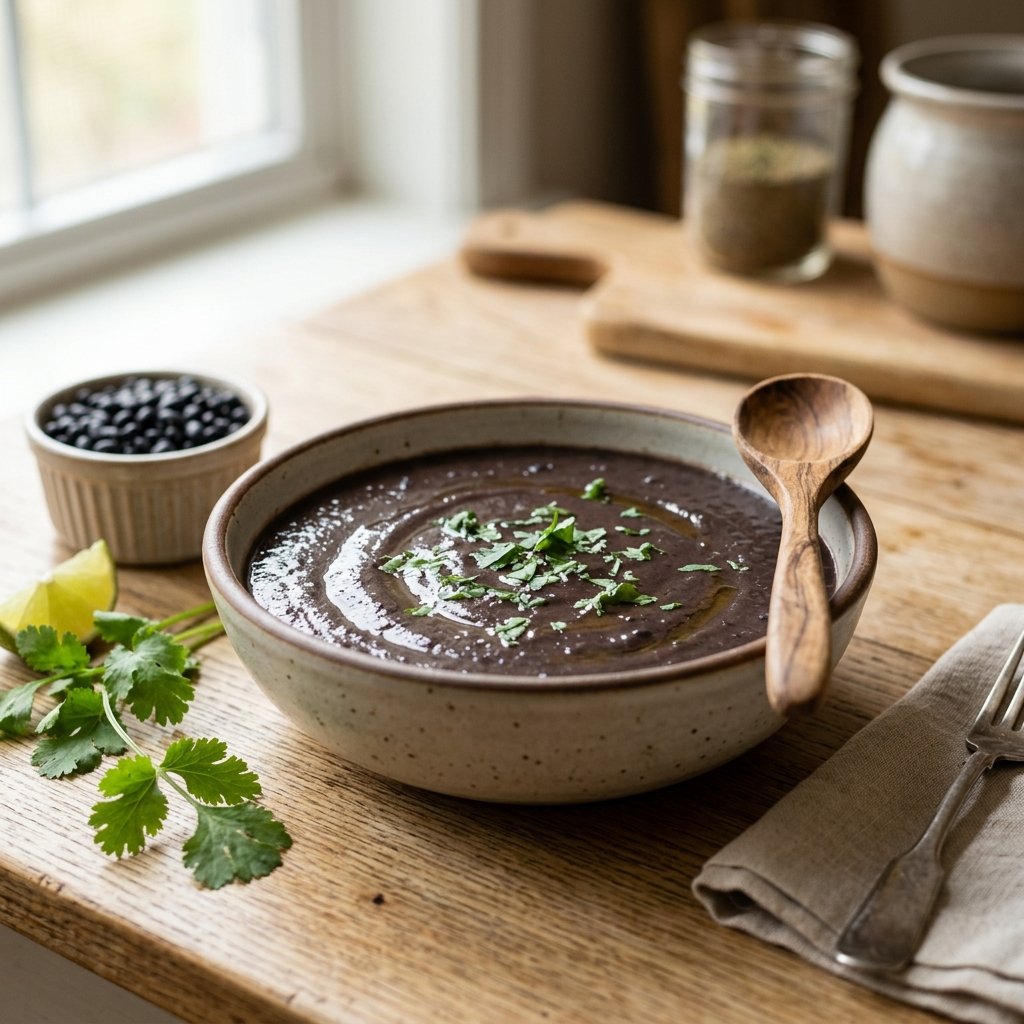
Pureed black beans (with broth) (120 calories | 8g protein per serving)
Black beans are a great source of plant protein that becomes very easy to digest when pureed. This smooth, creamy dish is gentle on your stomach while still giving you the protein your body needs. The added broth makes it even easier to swallow and digest.
Pureed black beans work well for elderly people who have trouble chewing or swallowing solid foods. You can eat this as a side dish or use it as a protein-rich spread.
Ingredients
- 1 can (15 oz) black beans, drained and rinsed
- 1 cup low-sodium vegetable broth
- 1 tablespoon olive oil
- 1/2 teaspoon garlic powder
- 1/4 teaspoon cumin
- Salt and pepper to taste
Instructions
- Add the drained black beans and vegetable broth to a medium pot.
- Heat the mixture over medium heat until it starts to simmer, about 5 minutes.
- Remove the pot from heat and let it cool for 2-3 minutes.
- Transfer the beans and broth to a blender or food processor.
- Add the olive oil, garlic powder, and cumin to the blender.
- Blend on high speed for 1-2 minutes until the mixture is completely smooth and creamy.
- Add more broth if you want a thinner consistency and blend again for 10-15 seconds.
- Season with salt and pepper to your taste.
- Serve warm or store in the fridge for up to 3 days.
Add a squeeze of lime juice and fresh cilantro for extra flavor without changing the smooth texture.
Fortified Silken Soy Milk
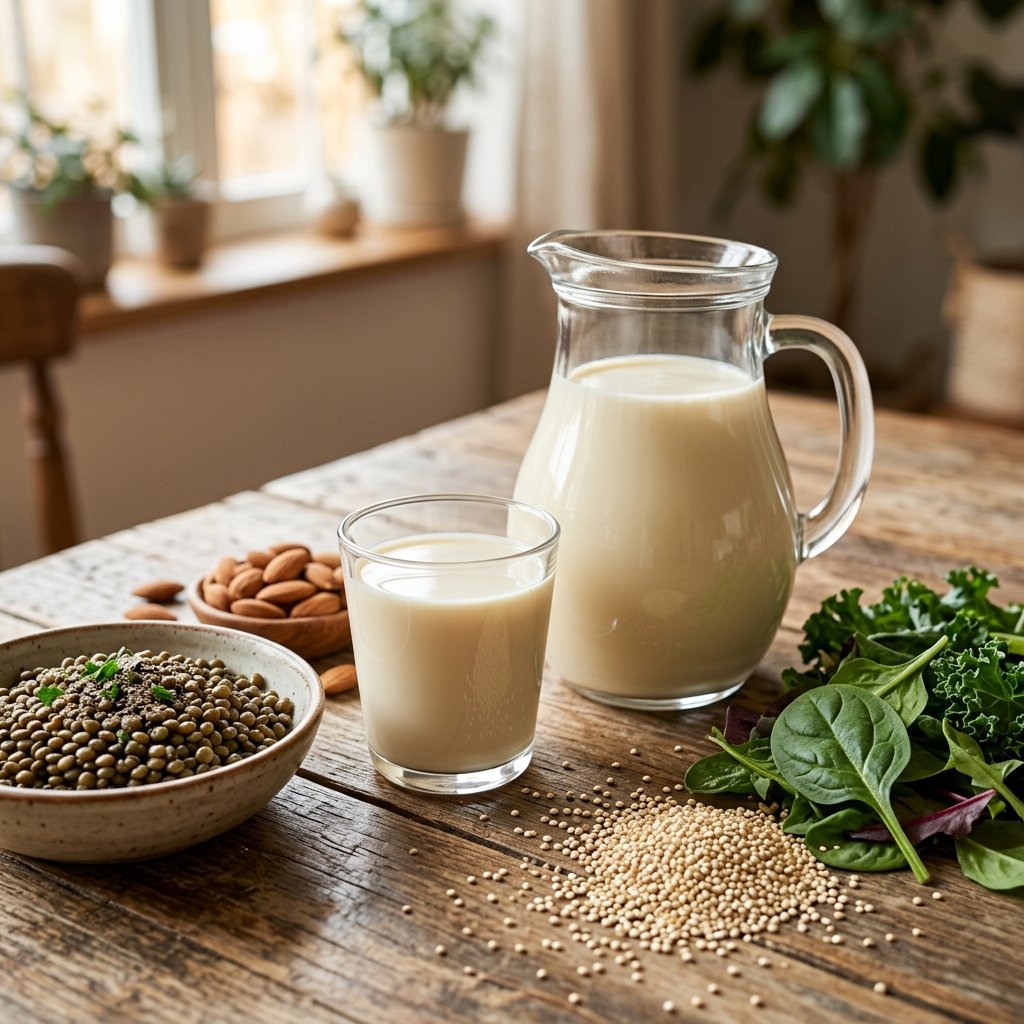
Homemade Fortified Silken Soy Milk Smoothie (180 calories | 12g protein per serving)
Fortified silken soy milk is one of the easiest high-protein drinks for elderly people to consume. It's smooth, creamy, and doesn't require any chewing. This smoothie uses fortified soy milk as the base to give you extra calcium and vitamin D along with protein.
The silken texture makes it perfect if you have trouble swallowing or digesting solid foods. You can drink this for breakfast or as a snack between meals.
Ingredients
- 1 cup fortified silken soy milk
- 1/2 frozen banana
- 1/4 cup frozen berries (strawberries or blueberries)
- 1 tablespoon almond butter
- 1/2 teaspoon vanilla extract
- 1 teaspoon maple syrup (optional)
Instructions
- Pour the fortified silken soy milk into your blender first.
- Add the frozen banana, berries, and almond butter on top of the milk.
- Add the vanilla extract and maple syrup if you want it sweeter.
- Blend on high speed for 30 to 45 seconds until completely smooth.
- Pour into a glass and drink right away, or store in the fridge for up to 24 hours.
You can swap almond butter for peanut butter or sunflower seed butter if you prefer a different taste.
Benefits Of Plant-Based Protein For Older Adults
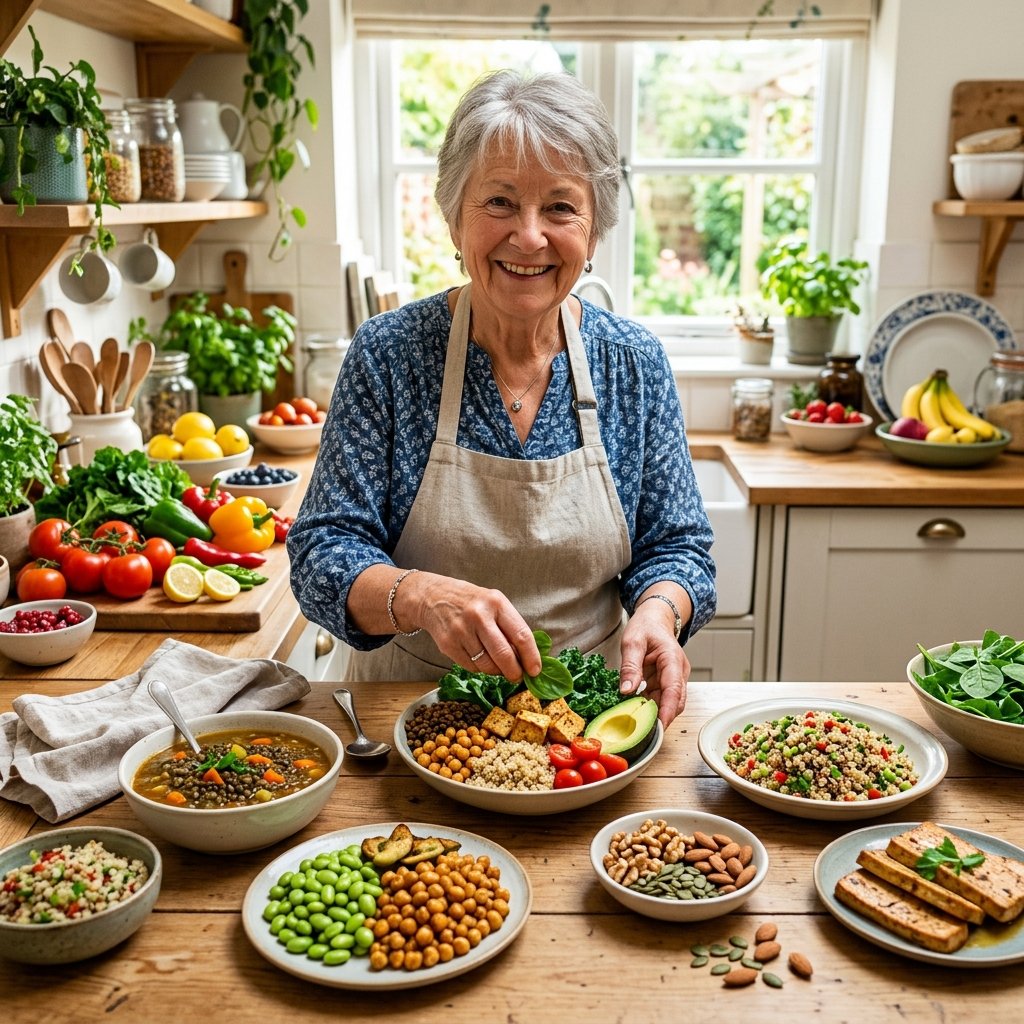
Plant-based proteins help your body stay strong while being gentle on your digestive system. They also provide important nutrients that support your heart, bones, and overall health as you age.
Supporting Muscle Maintenance
Your muscles naturally get weaker as you get older, which makes getting enough protein very important. Plant-based proteins give your body the amino acids it needs to keep your muscles strong and functional.
Foods like lentils, tofu, and quinoa contain all the building blocks your muscles need to repair themselves. These proteins work just as well as animal proteins when you eat them regularly throughout the day.
You need about 25-30 grams of protein per meal to help your muscles stay healthy. Plant proteins are easier for your body to break down, which means your digestive system doesn't have to work as hard.
Key plant proteins for muscle health:
- Tempeh
- Edamame
- Hemp seeds
- Pea protein
- Black beans
Eating plant proteins with vitamin C-rich foods helps your body absorb more nutrients. This combination supports both muscle strength and bone health at the same time.
Improving Digestive Health
Your digestive system slows down with age, making fiber-rich plant proteins an excellent choice. These foods contain natural fiber that helps your body process nutrients more smoothly.
Plant proteins don't sit heavy in your stomach like some animal products can. They move through your digestive tract at a comfortable pace, reducing bloating and discomfort.
The fiber in beans, lentils, and whole grains feeds the good bacteria in your gut. This keeps your digestive system balanced and working properly every day.
Many older adults deal with constipation or irregular digestion. Plant-based proteins naturally help keep things moving without causing cramping or gas when you introduce them slowly into your diet.
These proteins also contain less saturated fat, which makes them easier on your stomach and liver. Your body can focus its energy on absorbing nutrients instead of breaking down heavy fats.
Enhancing Overall Well-Being
Plant proteins come packed with vitamins, minerals, and antioxidants that protect your cells from damage. These nutrients help reduce inflammation in your joints, heart, and blood vessels.
Your blood pressure and cholesterol levels often improve when you eat more plant-based proteins. This lowers your risk of heart disease and stroke as you age.
Foods like chickpeas, nuts, and seeds contain magnesium and potassium that support your heart rhythm. They also have B vitamins that help keep your brain sharp and your energy levels steady.
Plant proteins are naturally lower in calories, which helps you maintain a healthy weight. This takes pressure off your joints and makes moving around easier and more comfortable.
Health benefits you may notice:
- Better sleep quality
- More stable blood sugar
- Reduced joint pain
- Improved mood and mental clarity
- Stronger immune system
Your body absorbs the iron and zinc from plant foods better when you pair them with foods containing vitamin C. This simple trick maximizes the nutritional value of every meal you eat.
Practical Tips For Incorporating Protein Into Daily Meals
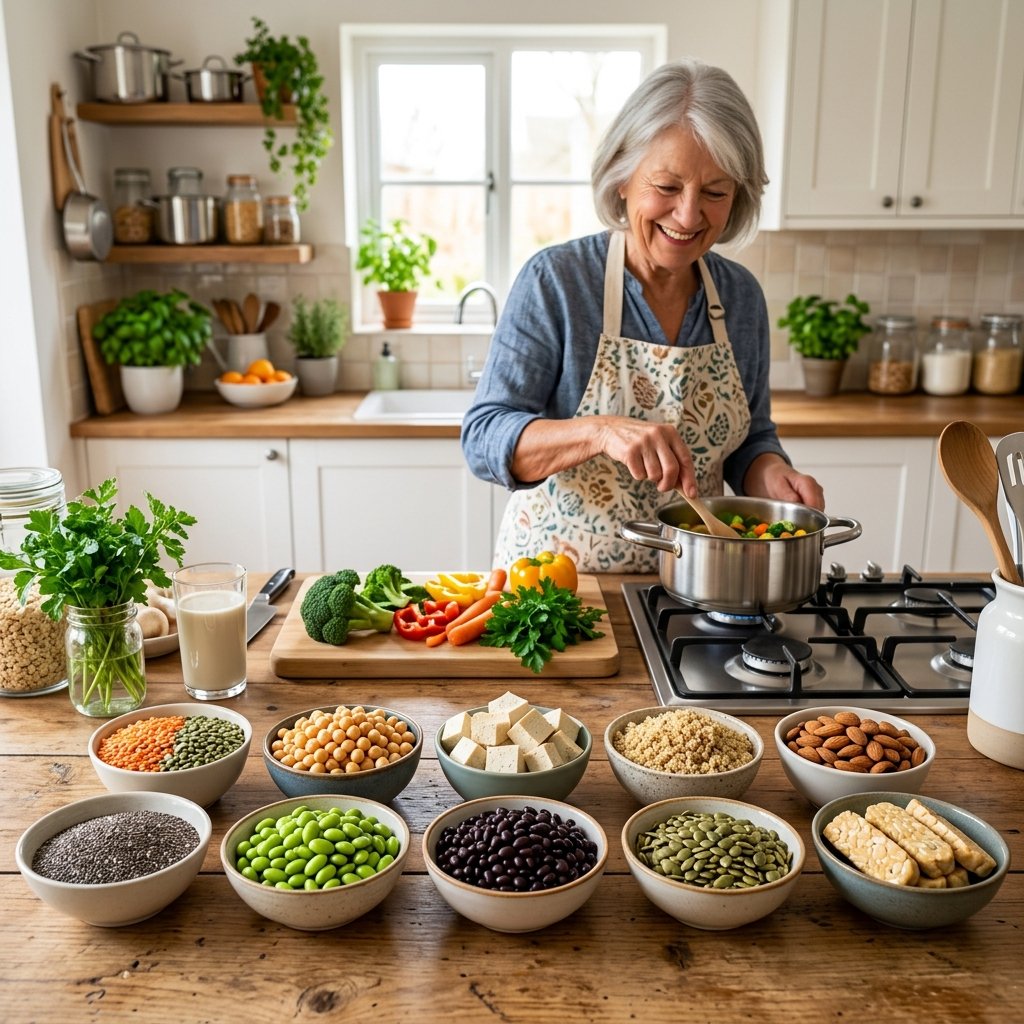
Adding more plant-based protein to meals doesn't require complicated recipes or expensive ingredients. Simple changes like blending tofu into smoothies or sprinkling hemp seeds on oatmeal can boost protein intake throughout the day.
Easing Meal Preparation
Batch cooking makes it easier to add protein to your meals without extra daily effort. You can cook a large pot of lentils or chickpeas on Sunday and store them in the fridge for the week. These prepared proteins work in salads, soups, or grain bowls.
Keep ready-to-eat protein sources on hand for quick meals. Canned beans, pre-cooked lentils, and shelf-stable tofu require no preparation. You can also buy frozen edamame that steams in minutes.
Quick protein additions:
- Stir nut butter into oatmeal or yogurt
- Add canned chickpeas to pasta dishes
- Blend silken tofu into smoothies
- Top salads with roasted chickpeas or pumpkin seeds
Pre-portioning proteins helps you track your daily intake. Store single servings of cooked beans or lentils in small containers. This makes it simple to grab the right amount for each meal.
Balancing Protein With Other Nutrients
Pair protein foods with whole grains to create complete proteins your body can use efficiently. Rice and beans, hummus with whole wheat pita, or peanut butter on whole grain bread all work well together.
Add colorful vegetables to protein-rich meals for vitamins and fiber. Leafy greens go well with lentil soups. Bell peppers and tomatoes complement bean-based dishes.
Balanced meal ideas:
- Quinoa bowl with black beans, avocado, and roasted vegetables
- Tofu stir-fry with broccoli over brown rice
- Lentil soup with carrots, celery, and whole grain bread
- Chickpea salad with cucumber, tomatoes, and tahini dressing
Healthy fats help your body absorb nutrients from plant foods. Drizzle olive oil on bean salads or add avocado to tofu scrambles. These fats also make meals more filling and satisfying.