10 High Protein Snacks for Women Over 50 to Stop Muscle Loss Between Meals: Delicious Options That Actually Keep You Full (15g+ Protein)

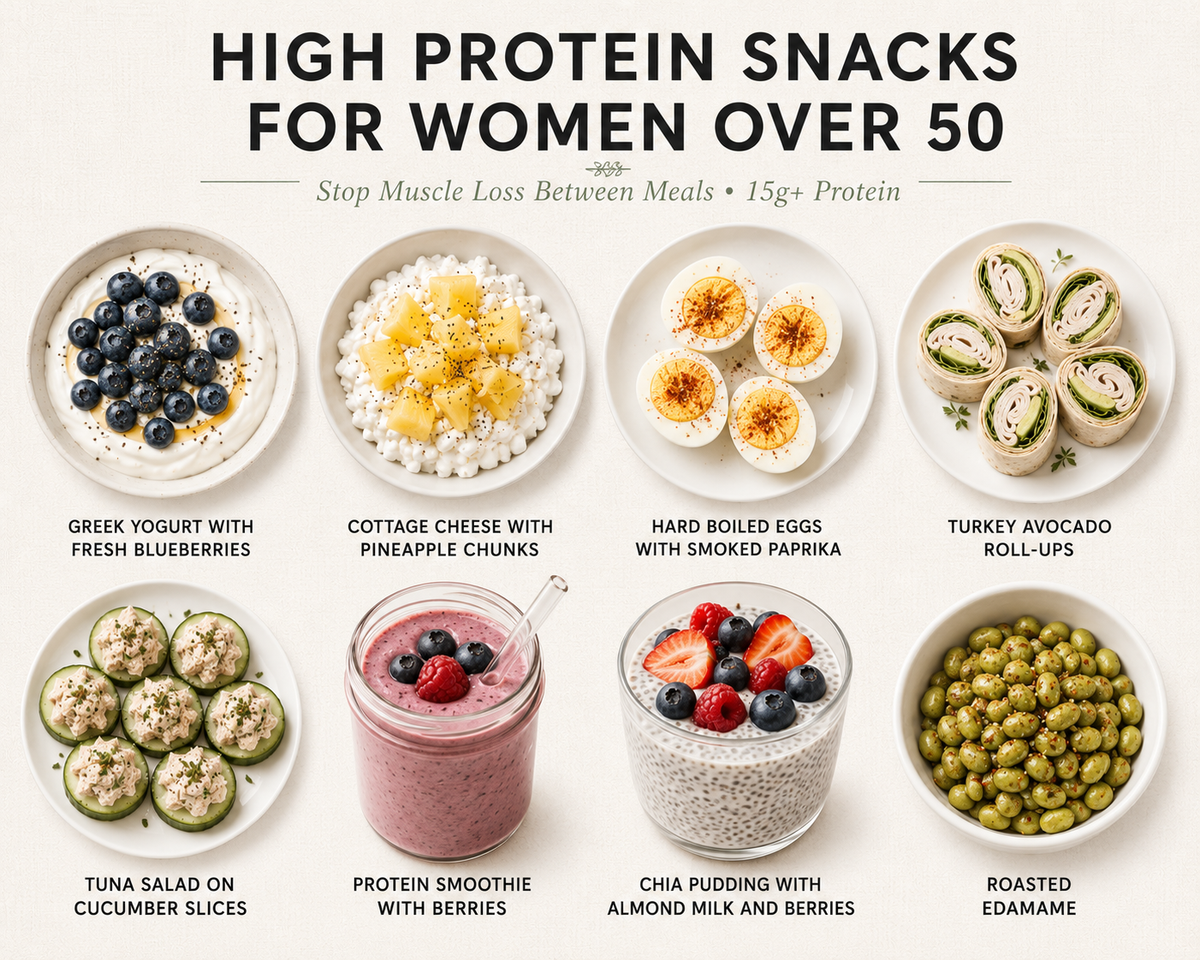
Women over 50 face a natural decline in muscle mass that can affect strength, balance, and overall health. This process, called sarcopenia, speeds up without the right nutrition and movement. Eating protein-rich snacks between meals helps protect and maintain muscle tissue as you age.
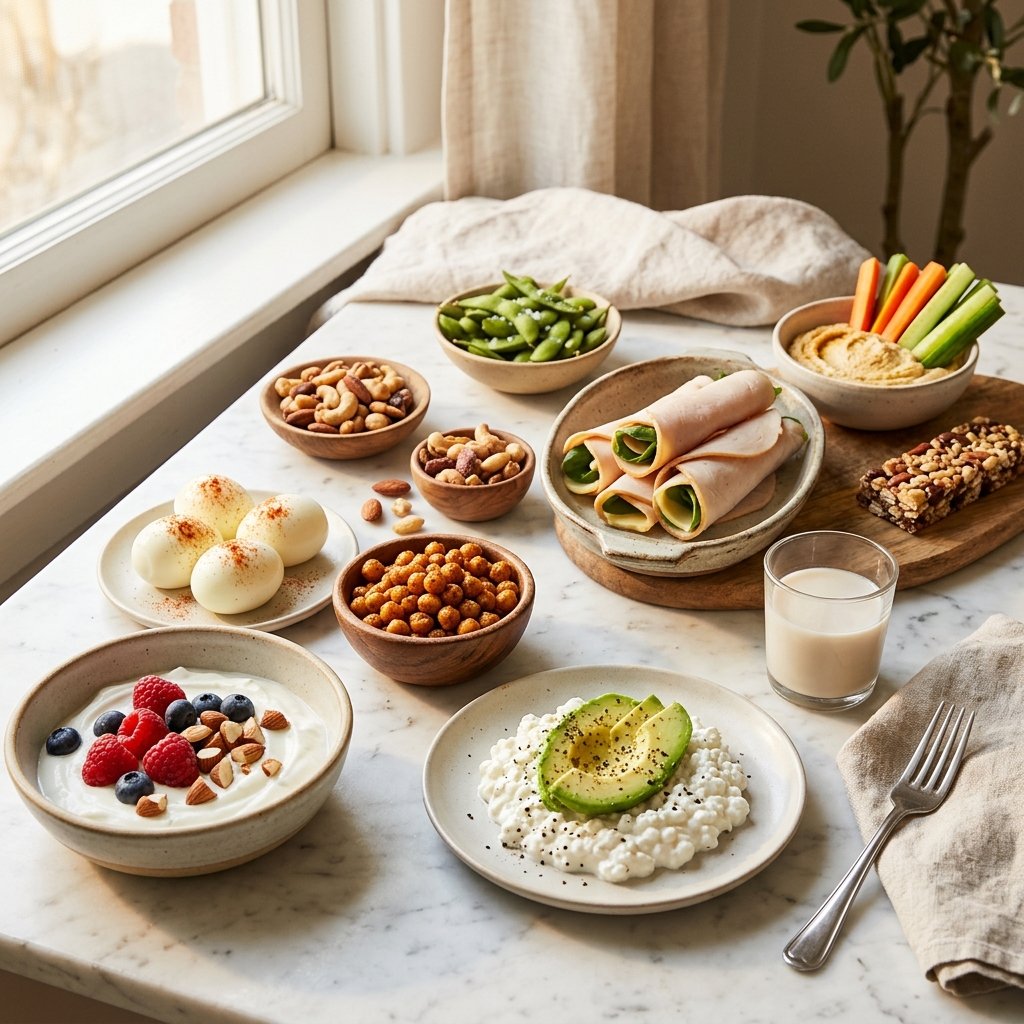
The right snacks do more than just curb hunger. They give your body the building blocks it needs to keep muscles strong and support an active lifestyle.
This guide shares ten simple, protein-packed snack ideas that fit easily into your day. You'll find options with dairy, eggs, plant proteins, and lean meats that taste good and work hard to support your wellness goals.
Greek yogurt with berries (Fage Total 0% + blueberries)
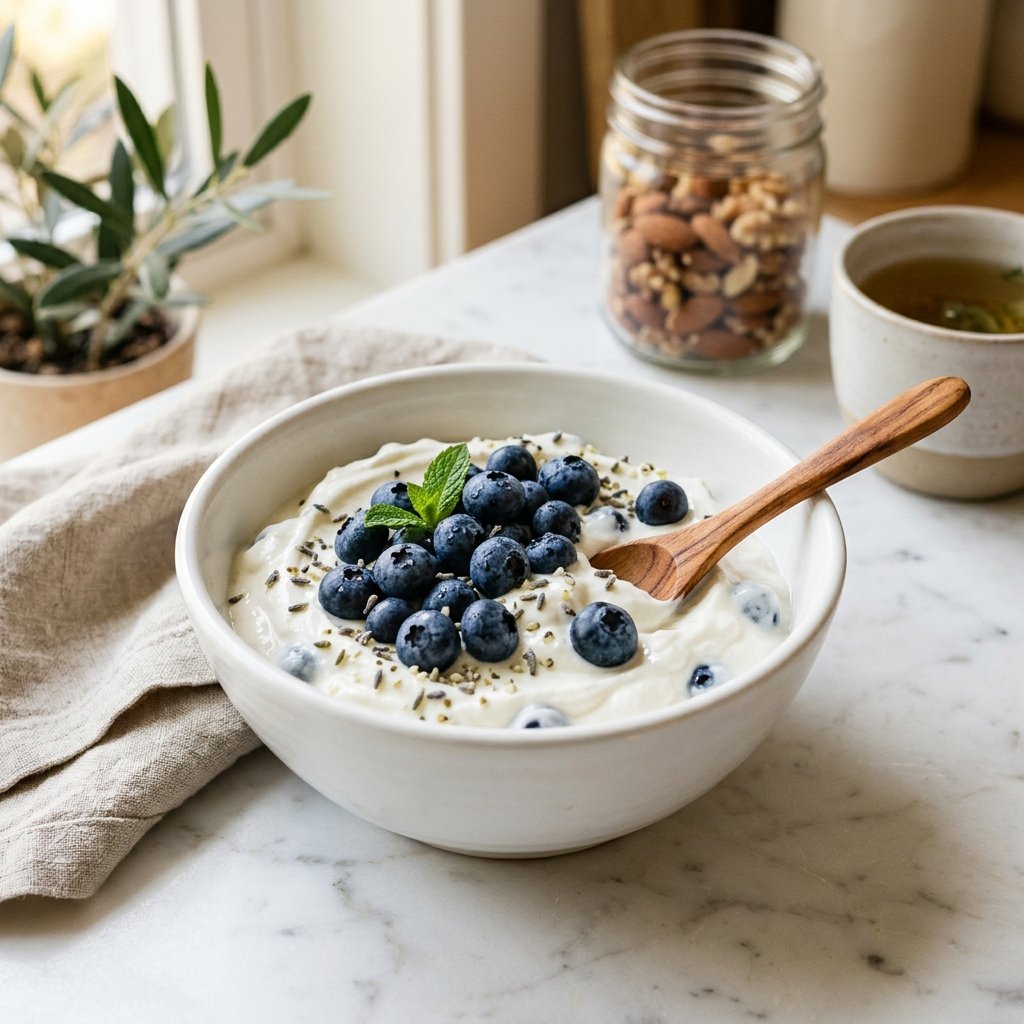
Greek yogurt with berries (Fage Total 0% + blueberries) (150 calories | 18g protein per serving)
Greek yogurt is one of the easiest protein-packed snacks you can grab. A single serving of Fage Total 0% gives you a serious protein boost without added sugar. The blueberries add natural sweetness and antioxidants that support your overall health.
This snack is perfect when you need something quick between meals. It takes less than a minute to put together and keeps you satisfied for hours.
Ingredients
- 1 cup Fage Total 0% Greek yogurt
- 1/2 cup fresh blueberries
- 1 teaspoon honey (optional)
Instructions
- Scoop the Greek yogurt into a bowl.
- Rinse the blueberries under cold water and pat them dry.
- Add the blueberries on top of the yogurt.
- Drizzle with honey if you want extra sweetness.
Swap blueberries for strawberries or raspberries to change up the flavor.
Cottage cheese with pineapple (Daisy Brand Cottage Cheese)
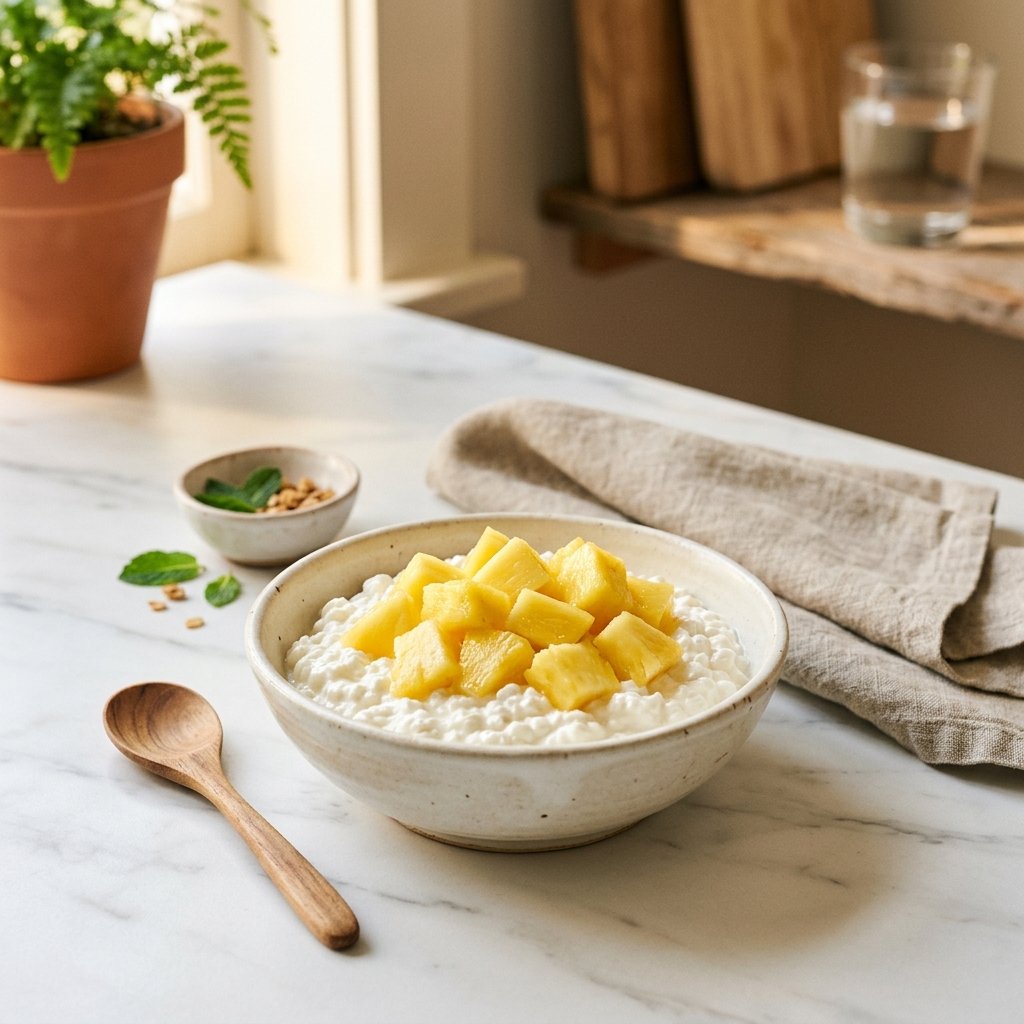
Cottage cheese with pineapple (190 calories | 24g protein per serving)
Cottage cheese is one of the easiest high-protein snacks you can make. Daisy Brand Cottage Cheese offers 24 grams of protein per cup, which helps protect your muscles between meals. The pineapple adds natural sweetness and vitamin C without needing added sugar.
This snack takes less than two minutes to prepare. It's perfect for busy mornings or afternoon energy dips when you need something quick and filling.
Ingredients
- 1 cup Daisy Brand 4% cottage cheese
- ½ cup fresh pineapple chunks
- 1 teaspoon chia seeds (optional)
Instructions
- Scoop 1 cup of Daisy Brand cottage cheese into a bowl.
- Drain the pineapple chunks if using canned, or cut fresh pineapple into bite-sized pieces.
- Add the pineapple chunks on top of the cottage cheese.
- Sprinkle chia seeds over the top if you want extra fiber and omega-3s.
- Mix together or eat in layers, depending on your preference.
Try using frozen pineapple chunks for a cold, refreshing texture on hot days.
Hard-boiled eggs with smoked paprika
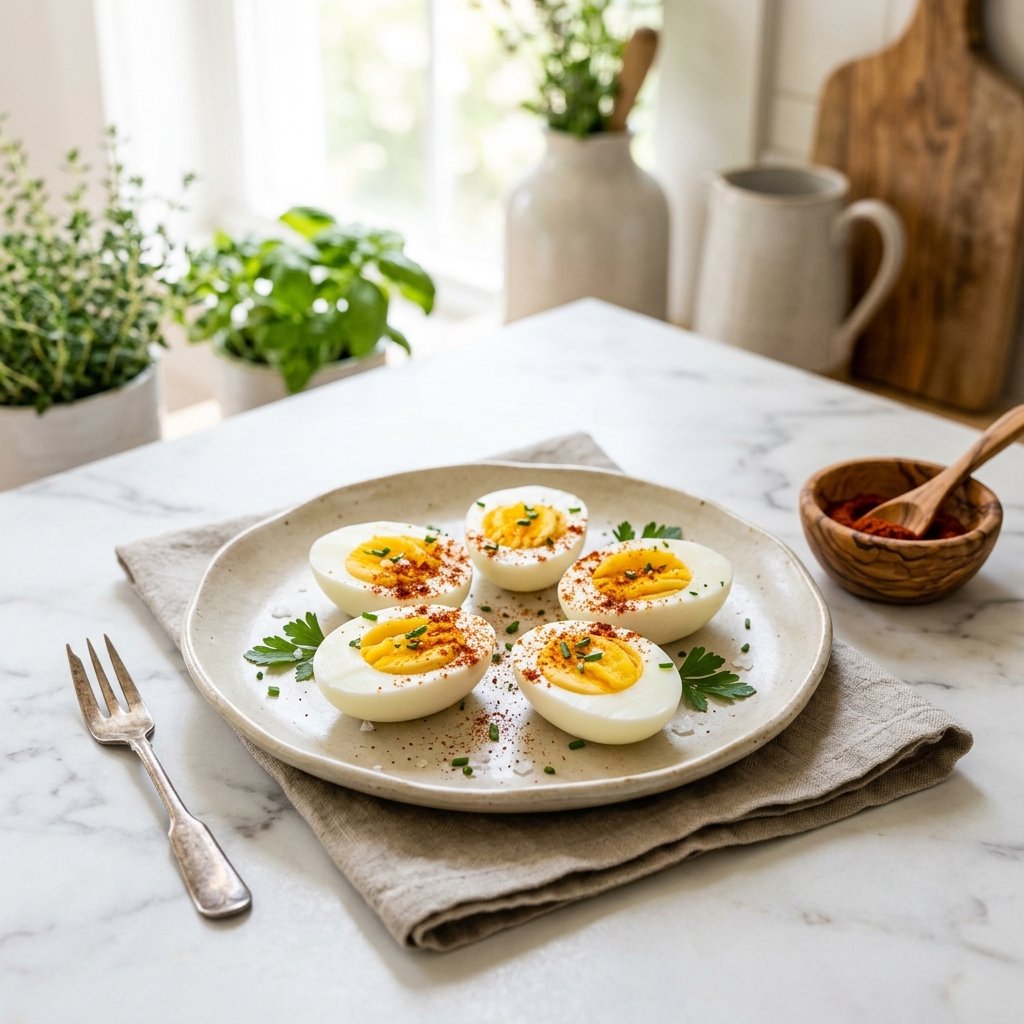
Hard-boiled eggs are one of the easiest high-protein snacks you can make. Each egg has about 6 grams of protein and only 70 calories. Adding smoked paprika gives them a rich flavor without extra calories.
Ingredients
- 6 large eggs
- 4 cups water
- 1 teaspoon smoked paprika
- 1/4 teaspoon sea salt
- 1/8 teaspoon black pepper
Instructions
- Place eggs in a single layer in a medium pot and cover them with cold water by about 1 inch.
- Put the pot on the stove over high heat and bring the water to a rolling boil.
- Once the water boils, turn off the heat, cover the pot with a lid, and let the eggs sit for 10-12 minutes.
- While the eggs cook, fill a large bowl with ice water.
- After 10-12 minutes, use a slotted spoon to transfer the eggs to the ice water bath. Let them cool for 5 minutes.
- Gently tap each egg on the counter and peel off the shell under cool running water.
- Pat the eggs dry with a paper towel and cut them in half lengthwise.
- Mix the smoked paprika, salt, and black pepper in a small bowl.
- Sprinkle the spice mixture over the cut side of each egg half.
You can store these in the fridge for up to one week and sprinkle the paprika on right before eating to keep them fresh.
Roasted Edamame (Seapoint Farms Dry Roasted Edamame)
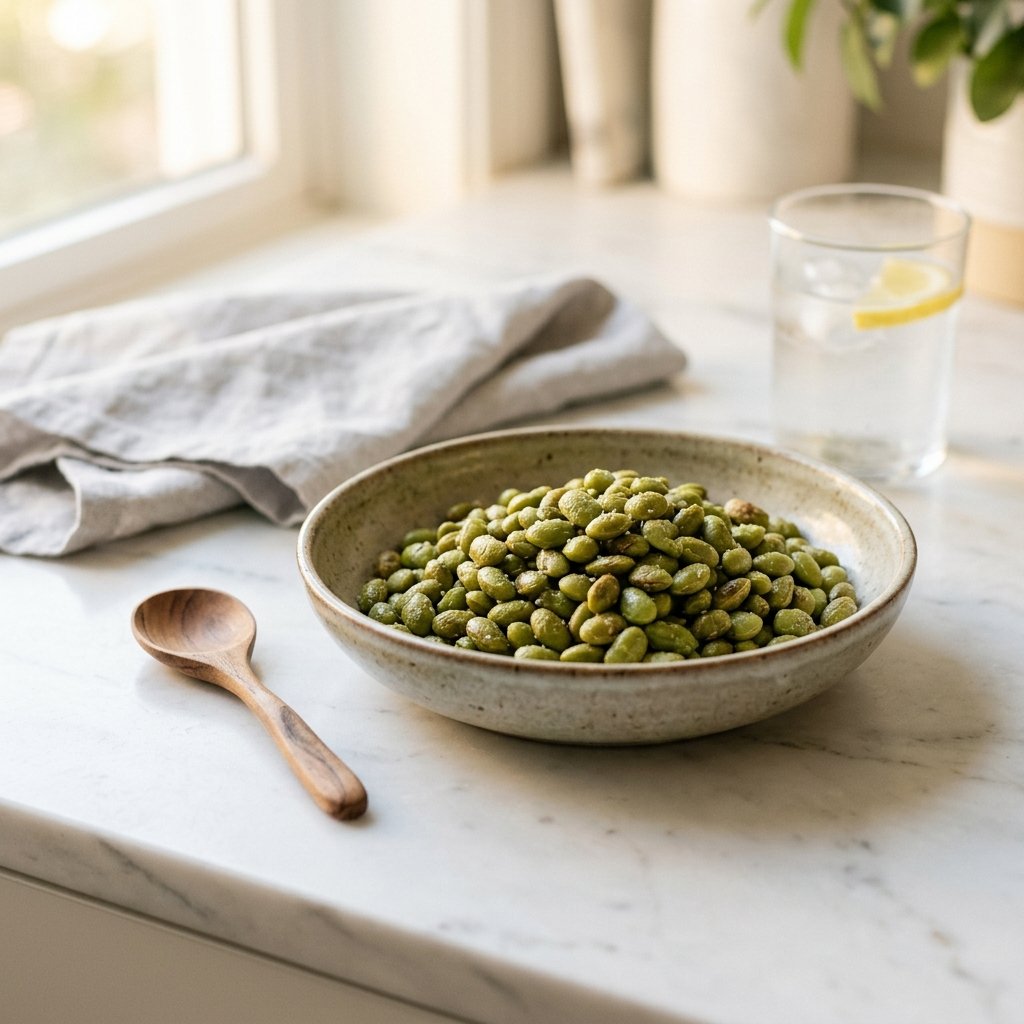
Roasted Edamame (130 calories | 14g protein per serving)
Roasted edamame makes a crunchy, satisfying snack that packs 14 grams of protein in just a quarter cup. These dry-roasted soybeans are already prepared for you, so there's no cooking required. They're perfect for tossing in your purse or keeping at your desk when you need a quick protein boost. The fiber content also helps keep you full between meals.
Ingredients
- 1/4 cup Seapoint Farms Dry Roasted Edamame (lightly salted or sea salt flavor)
Instructions
- Open the bag and measure out 1/4 cup of the roasted edamame into a small bowl or container.
- Enjoy straight from the bowl as a standalone snack.
You can mix roasted edamame with raw almonds and dried cranberries for a protein-packed trail mix.
Turkey and avocado roll-ups (Applegate Naturals Turkey)
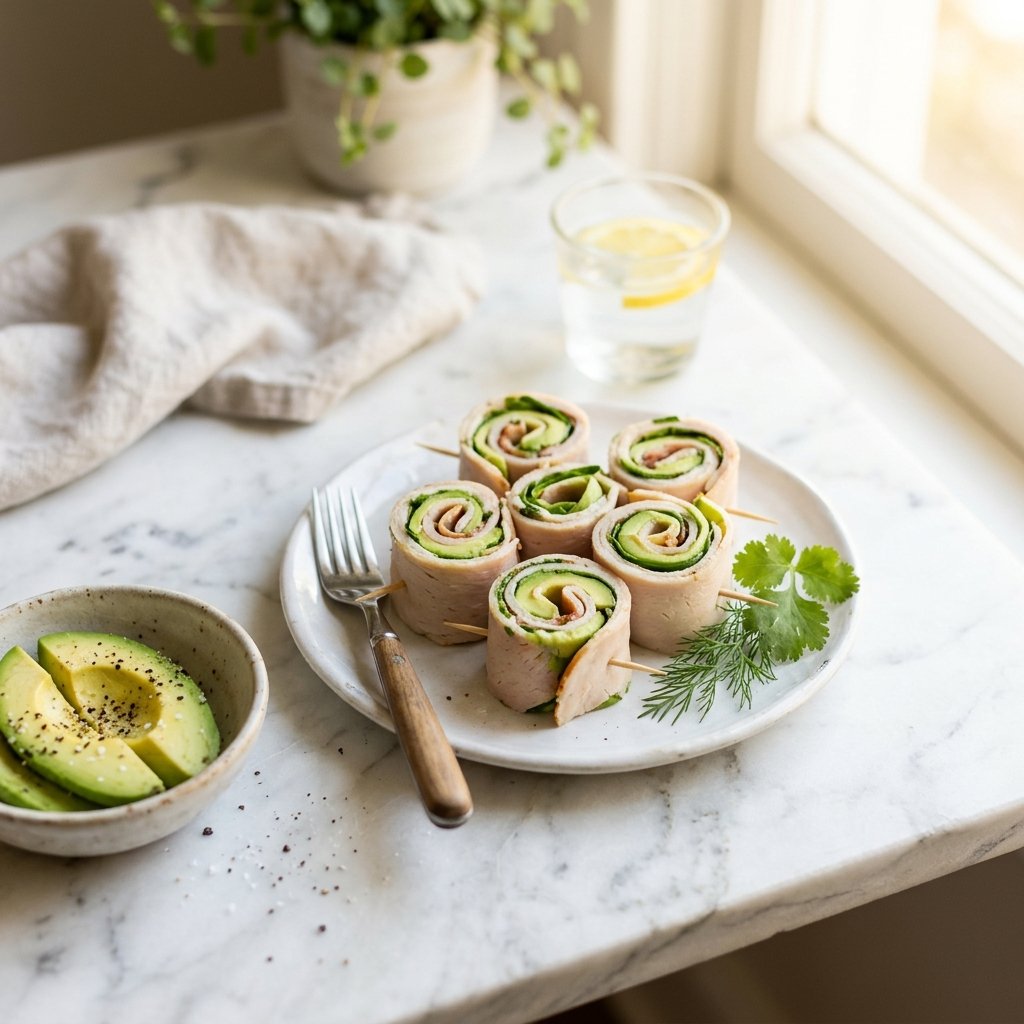
Turkey and avocado roll-ups deliver around 180 calories and 15 grams of protein per serving. They combine lean deli turkey with healthy fats from avocado for a satisfying snack that keeps you full. This recipe takes less than five minutes to make and requires no cooking.
Ingredients
- 4 slices Applegate Naturals turkey breast
- 1/2 ripe avocado
- 1 teaspoon lemon juice
- 1/4 teaspoon garlic powder
- Salt and pepper to taste
- 4 thin cucumber slices (optional)
Instructions
- Lay the turkey slices flat on a clean cutting board or plate.
- Mash the avocado in a small bowl with lemon juice, garlic powder, salt, and pepper until smooth.
- Spread about 1 tablespoon of the avocado mixture evenly across each turkey slice.
- Place a cucumber slice on top of the avocado if you want extra crunch.
- Roll each turkey slice tightly from one end to the other and secure with a toothpick if needed.
- Serve right away or store in an airtight container in your fridge for up to 2 days.
Add a sprinkle of everything bagel seasoning on top for extra flavor without adding many calories.
Protein smoothie with whey isolate (Optimum Nutrition Gold Standard Whey)
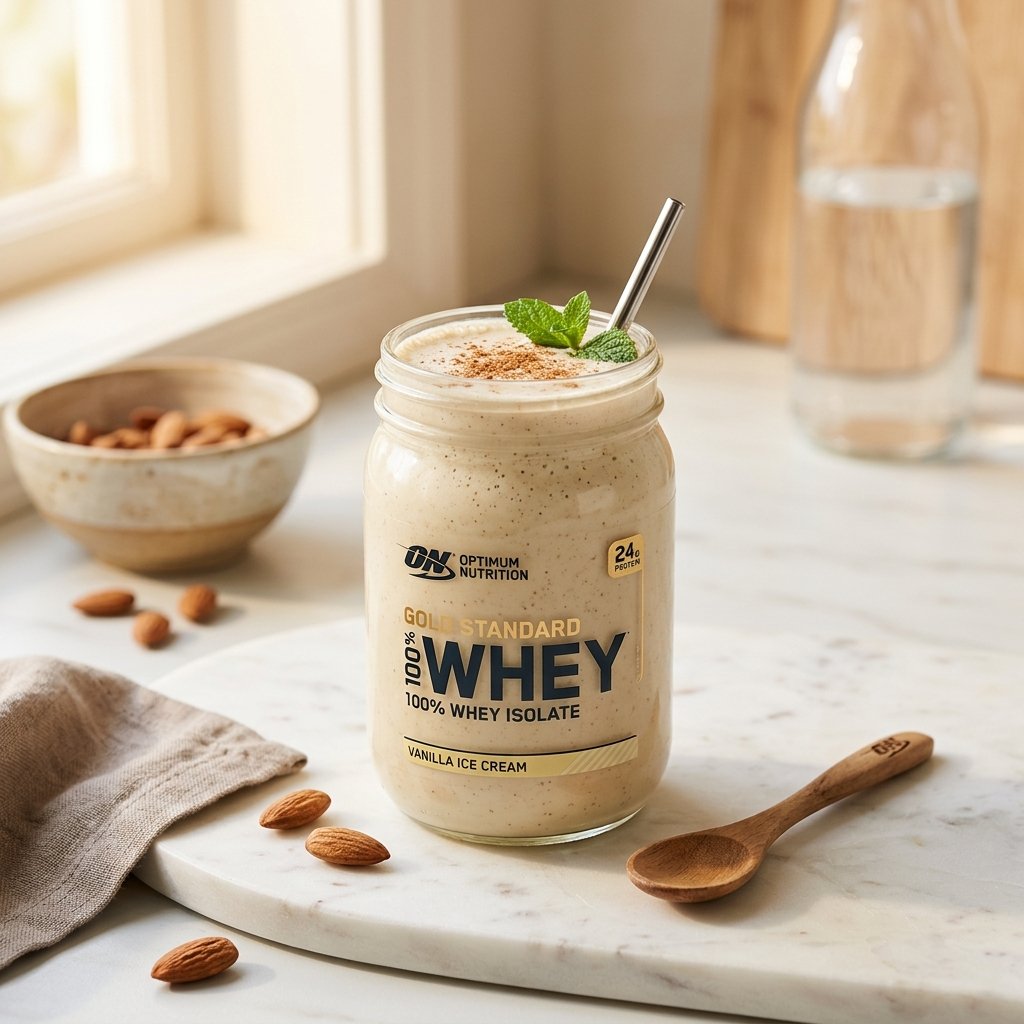
Protein Smoothie with Whey Isolate (220 calories | 30g protein per serving)
This protein smoothie uses Optimum Nutrition Gold Standard Whey, one of the most trusted protein powders on the market. It delivers 30 grams of protein in a quick blend that takes less than five minutes to make. The whey isolate absorbs fast, making it perfect for after a workout or as a filling breakfast.
You can customize this smoothie with your favorite fruits and liquids. It's ideal if you struggle to eat enough protein throughout the day.
Ingredients
- 1 scoop Optimum Nutrition Gold Standard Whey (vanilla or chocolate flavor)
- 1 cup unsweetened almond milk
- 1/2 cup frozen berries (strawberries, blueberries, or mixed berries)
- 1/2 banana
- 1 tablespoon almond butter
- 3-4 ice cubes
- 1/4 teaspoon cinnamon (optional)
Instructions
- Add the almond milk to your blender first to prevent sticking.
- Drop in the frozen berries, banana, and almond butter.
- Add one scoop of Optimum Nutrition Gold Standard Whey powder on top.
- Toss in the ice cubes and cinnamon if using.
- Blend on high speed for 30-45 seconds until smooth and creamy.
- Pour into a glass and drink immediately for best texture.
Swap almond milk for Greek yogurt mixed with water to add even more protein and create a thicker consistency.
Almond butter on celery (Justin's Classic Almond Butter)
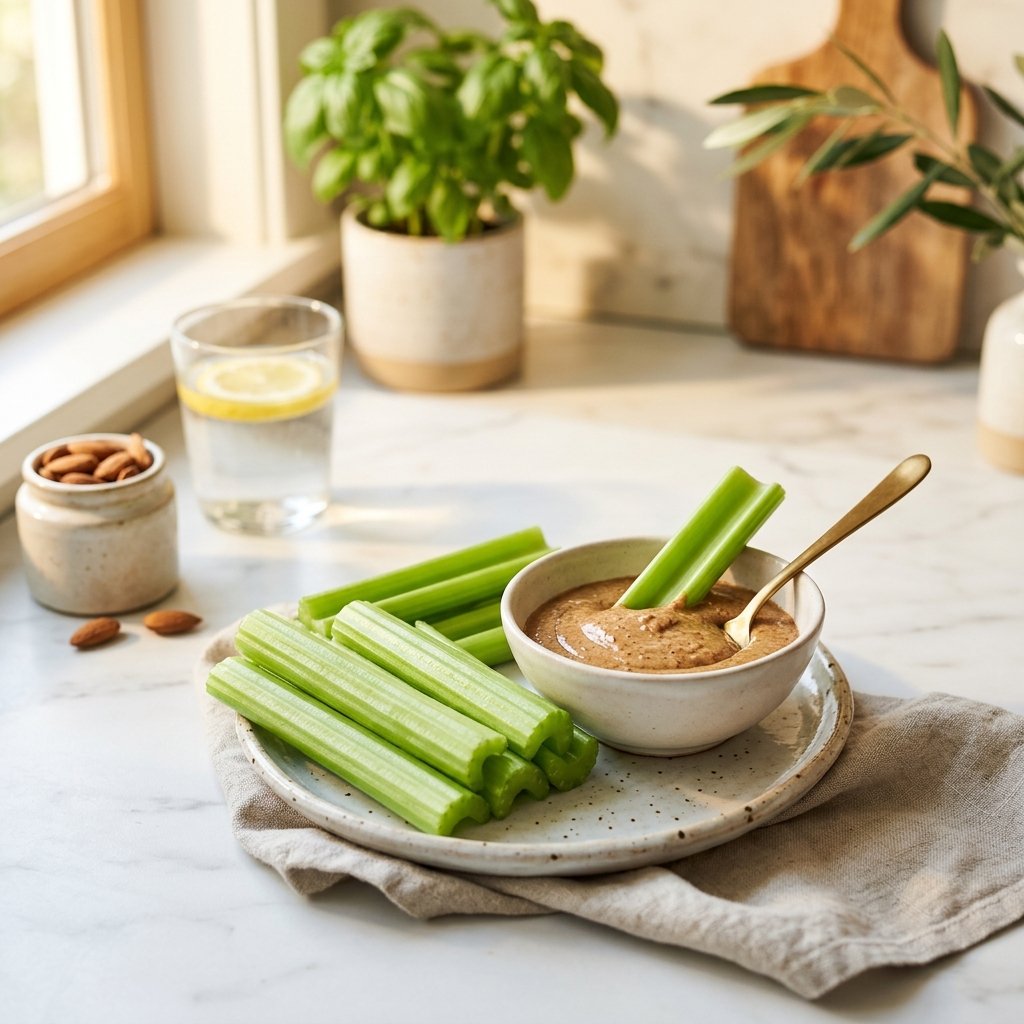
Almond butter on celery (Justin's Classic Almond Butter) (200 calories | 7g protein per serving)
This simple snack combines crunchy celery sticks with creamy Justin's Classic Almond Butter for a satisfying treat. You get protein from the almond butter plus healthy fats that keep you full between meals. It takes less than five minutes to prepare and travels well in your bag. This snack works great for mid-morning or afternoon hunger when you need quick energy.
Ingredients
- 3 medium celery stalks
- 2 tablespoons Justin's Classic Almond Butter
- Optional: 1 tablespoon raisins or dried cranberries
Instructions
- Wash the celery stalks under cold water and pat them dry with a paper towel.
- Cut each stalk into 3-inch pieces to make them easier to handle and eat.
- Spread about 2 teaspoons of almond butter into the groove of each celery piece using a butter knife or small spoon.
- Sprinkle raisins or dried cranberries on top if you want a touch of sweetness.
Try peanut butter instead of almond butter if you prefer a different taste, or add a sprinkle of chia seeds for extra protein and omega-3s.
Tuna salad on cucumber slices (Wild Planet Albacore Tuna)
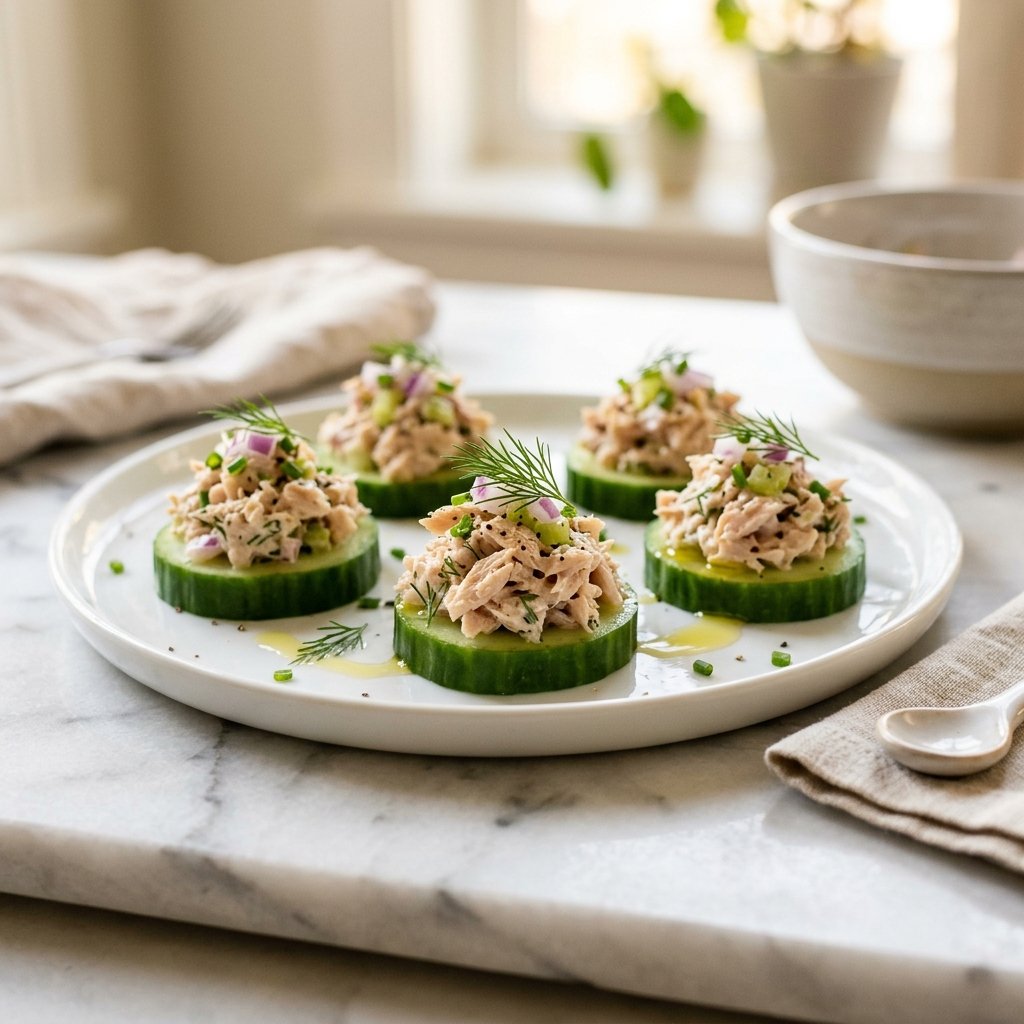
Tuna salad on cucumber slices (Wild Planet Albacore Tuna) (180 calories | 22g protein per serving)
This snack combines protein-rich tuna with fresh cucumber slices for a light, crunchy treat. Wild Planet Albacore Tuna provides high-quality protein without any added fillers or preservatives. The cucumber adds hydration and fiber while keeping calories low.
Each serving delivers enough protein to help maintain your muscle mass between meals. This recipe takes less than 10 minutes to make and requires no cooking.
Ingredients
- 1 can (5 oz) Wild Planet Albacore Tuna, drained
- 2 tablespoons plain Greek yogurt
- 1 tablespoon lemon juice
- 1 teaspoon Dijon mustard
- 2 tablespoons diced celery
- 1 tablespoon diced red onion
- Salt and pepper to taste
- 1 large cucumber, sliced into 1/4-inch rounds
Instructions
- Drain the tuna completely and add it to a medium bowl.
- Add the Greek yogurt, lemon juice, and Dijon mustard to the bowl with the tuna.
- Mix everything together with a fork, breaking up any large chunks of tuna.
- Stir in the diced celery and red onion until evenly distributed.
- Season with salt and pepper to your taste preference.
- Slice the cucumber into rounds about 1/4-inch thick and arrange them on a plate.
- Spoon about 1 tablespoon of tuna salad onto each cucumber slice.
- Serve immediately or refrigerate the tuna salad for up to 3 days.
Swap Greek yogurt for mashed avocado to add healthy fats and change the flavor profile.
Low-fat String Cheese (Frigo Cheese Heads String Cheese)
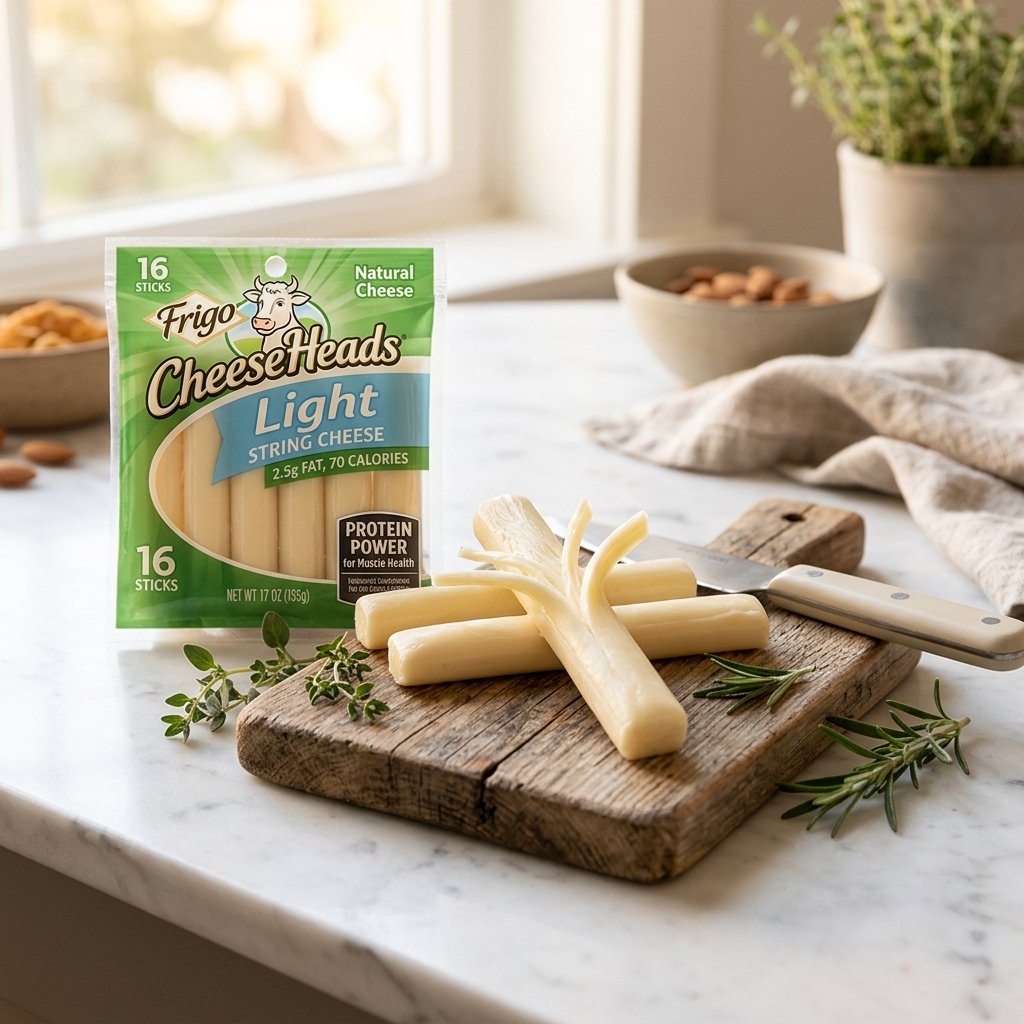
Low-fat String Cheese (50 calories | 6g protein per stick)
Low-fat string cheese is one of the easiest protein snacks you can grab between meals. Each stick of Frigo Cheese Heads String Cheese gives you 6 grams of protein for just 50 calories. This portable snack requires zero preparation and fits easily in your purse or gym bag. The calcium in string cheese also supports bone health, which becomes even more important after age 50.
Ingredients
- 1 stick Frigo Cheese Heads String Cheese (low-fat)
Instructions
- Remove the string cheese from the wrapper.
- Eat it whole or peel it into strips for a fun, satisfying snack.
Pair your string cheese with apple slices or whole grain crackers for added fiber and energy.
Chia pudding with unsweetened almond milk
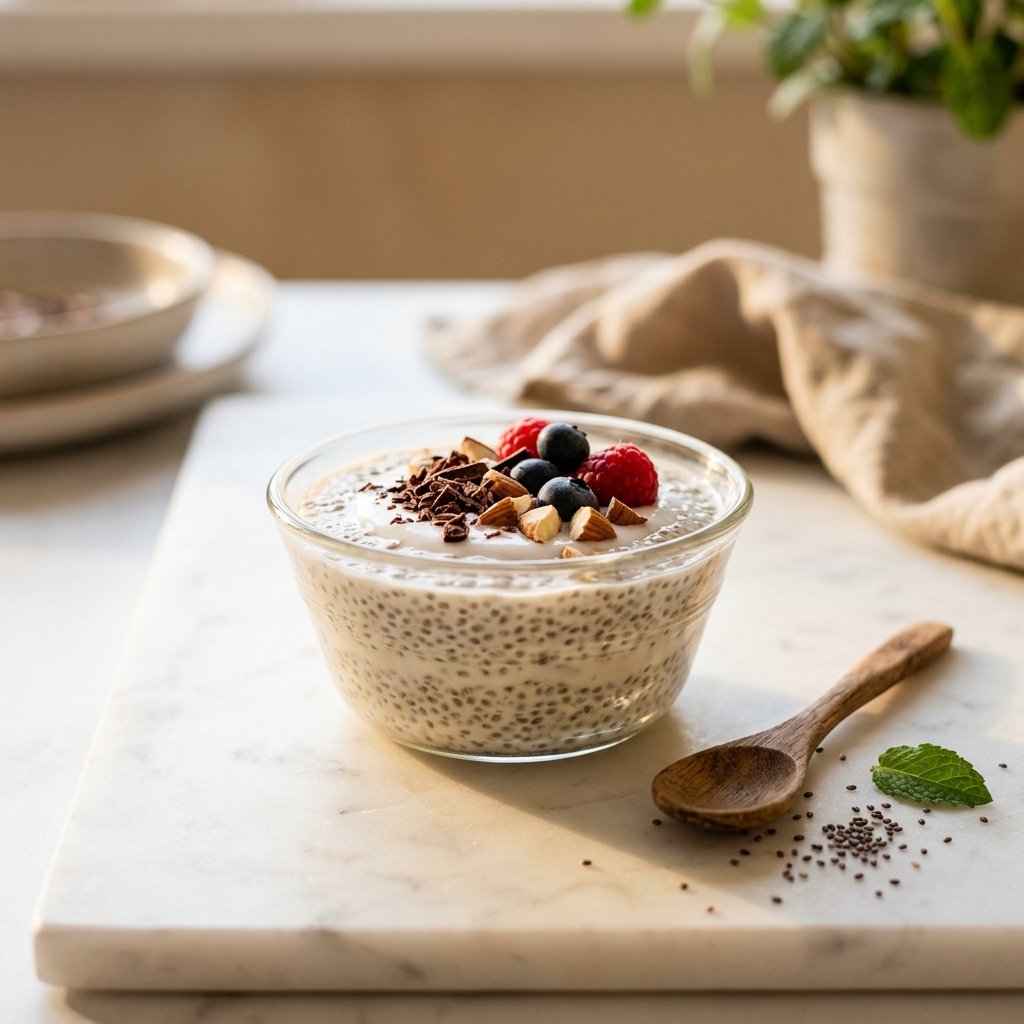
Chia Pudding with Unsweetened Almond Milk (150 calories | 6g protein per serving)
Chia pudding makes a quick protein-packed snack you can prepare the night before. The chia seeds provide plant-based protein and fiber while the almond milk keeps calories low. This creamy pudding works great for breakfast or an afternoon snack when you need something filling.
You can customize it with different toppings to boost the protein even more.
Ingredients
- 3 tablespoons chia seeds
- 1 cup unsweetened almond milk
- 1/2 teaspoon vanilla extract
- 1 teaspoon honey or maple syrup (optional)
- 2 tablespoons Greek yogurt (optional, for extra protein)
- Fresh berries for topping
Instructions
- Mix the chia seeds and unsweetened almond milk in a jar or bowl. Stir well to break up any clumps.
- Add the vanilla extract and sweetener if you're using them. Stir again until everything is combined.
- Cover the container and place it in your refrigerator for at least 4 hours or overnight. The chia seeds will absorb the liquid and create a pudding-like texture.
- Check the pudding after a few hours and stir it once to prevent clumping at the bottom.
- When you're ready to eat, give it a final stir and add your toppings like fresh berries or a spoonful of Greek yogurt for extra protein.
Add a tablespoon of protein powder to the mixture before refrigerating to increase the protein content to around 20 grams per serving.
How Protein Supports Muscle Maintenance and Active Aging
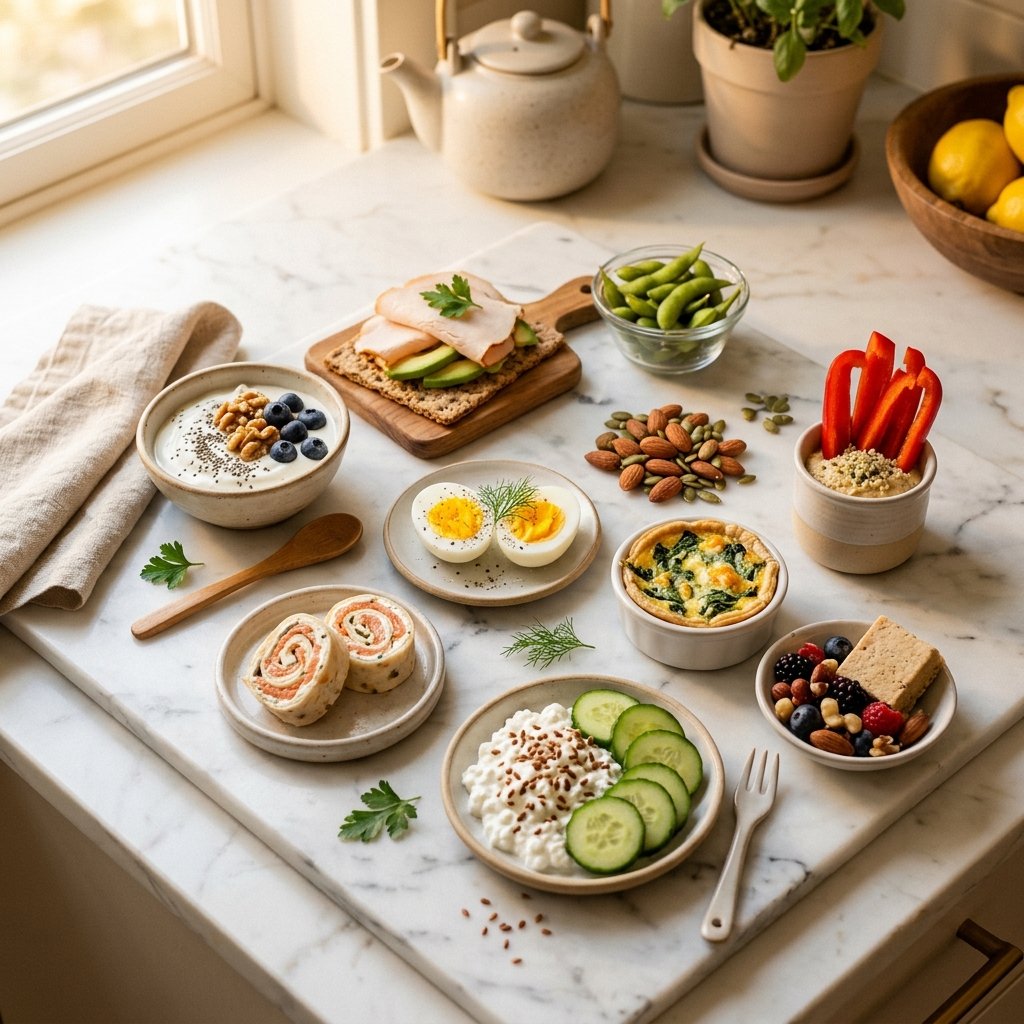
Women over 50 need more protein per meal than younger adults to trigger the same muscle-building response. Your body also becomes less efficient at absorbing and using protein as you age, making strategic protein intake essential for staying strong and independent.
The Science Behind Protein Needs After 50
Your muscles become resistant to protein as you age, a condition called anabolic resistance. This means your body needs more protein to get the same muscle-building effect you once got from smaller amounts.
Research shows women over 50 need about 25-30 grams of protein per meal to maximize muscle protein synthesis. This is roughly 10 grams more than younger women need.
Your body loses 3-8% of muscle mass per decade after age 30, and this speeds up after 50. Without enough protein, you can't slow or reverse this loss. Muscle loss leads to weakness, falls, broken bones, and loss of independence.
Eating protein between meals helps maintain steady amino acid levels in your blood. These amino acids are the building blocks your muscles need for repair and maintenance throughout the day.
Differences in Protein Absorption for Women
Women absorb protein differently than men due to hormonal changes during and after menopause. Lower estrogen levels reduce your body's ability to build and maintain muscle tissue.
Your digestive system also changes with age. You produce less stomach acid and fewer digestive enzymes, which means you break down protein less efficiently. This is why the source and timing of your protein matters more now.
Women tend to eat less protein overall than men, often consuming most of their daily protein at dinner. Spreading protein evenly across meals and snacks works better for muscle maintenance. Your muscles can only use about 25-30 grams of protein at once, so eating 60 grams at dinner wastes some of that protein.
Animal proteins like Greek yogurt, eggs, and lean meats are absorbed more easily than most plant proteins. If you eat plant-based proteins, you need slightly larger portions to get the same benefit.
Snacking Strategies for Empowered Wellness
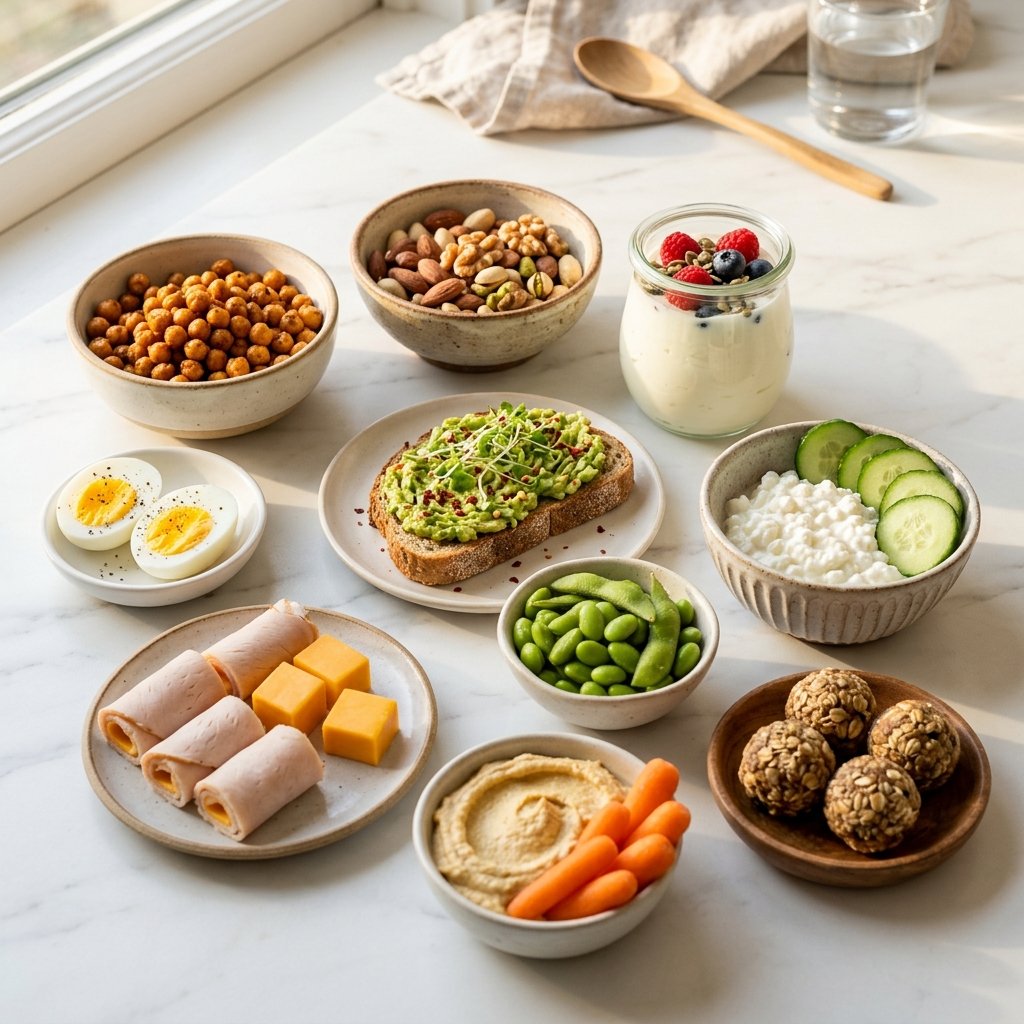
Protein-rich snacks work best when paired with fiber and healthy fats, and eating them at the right times helps your body maintain muscle throughout the day.
Balancing Protein With Fiber and Healthy Fats
Your body absorbs protein more effectively when you combine it with other nutrients. Fiber slows down digestion, which means the protein stays in your system longer and feeds your muscles over several hours.
Healthy fats help your body use vitamins and keep you satisfied between meals. When you eat protein alone, you might feel hungry again within an hour or two.
Try pairing your protein snacks with these combinations:
- Greek yogurt with berries and almonds
- Hard-boiled eggs with whole grain crackers
- Turkey slices wrapped around avocado
- Protein smoothie with spinach and nut butter
- Cottage cheese with flaxseeds and cucumber
Each snack should include about 15-20 grams of protein, 3-5 grams of fiber, and a small amount of healthy fat. This balance keeps your blood sugar stable and prevents energy crashes.
Timing Snacks for Optimal Muscle Health
Your muscles need protein every 3-4 hours to prevent breakdown. Eating protein-rich snacks between breakfast and lunch, then again between lunch and dinner, gives your body a steady supply of amino acids.
The most important snack time is mid-afternoon, around 3-4 PM. This is when most women go the longest without eating protein, which can trigger muscle loss.
Best snack times:
- Mid-morning (10-11 AM): 3-4 hours after breakfast
- Mid-afternoon (3-4 PM): prevents the dinner-time gap
- Evening (7-8 PM): only if you eat dinner early
Try to eat your snack within 30 minutes of feeling hungry. Waiting too long puts your body into a state where it starts using muscle for energy instead of fat.