10 High Protein Vegan Meals for Seniors with High Cholesterol That Are Heart-Healthy and Surprisingly Delicious

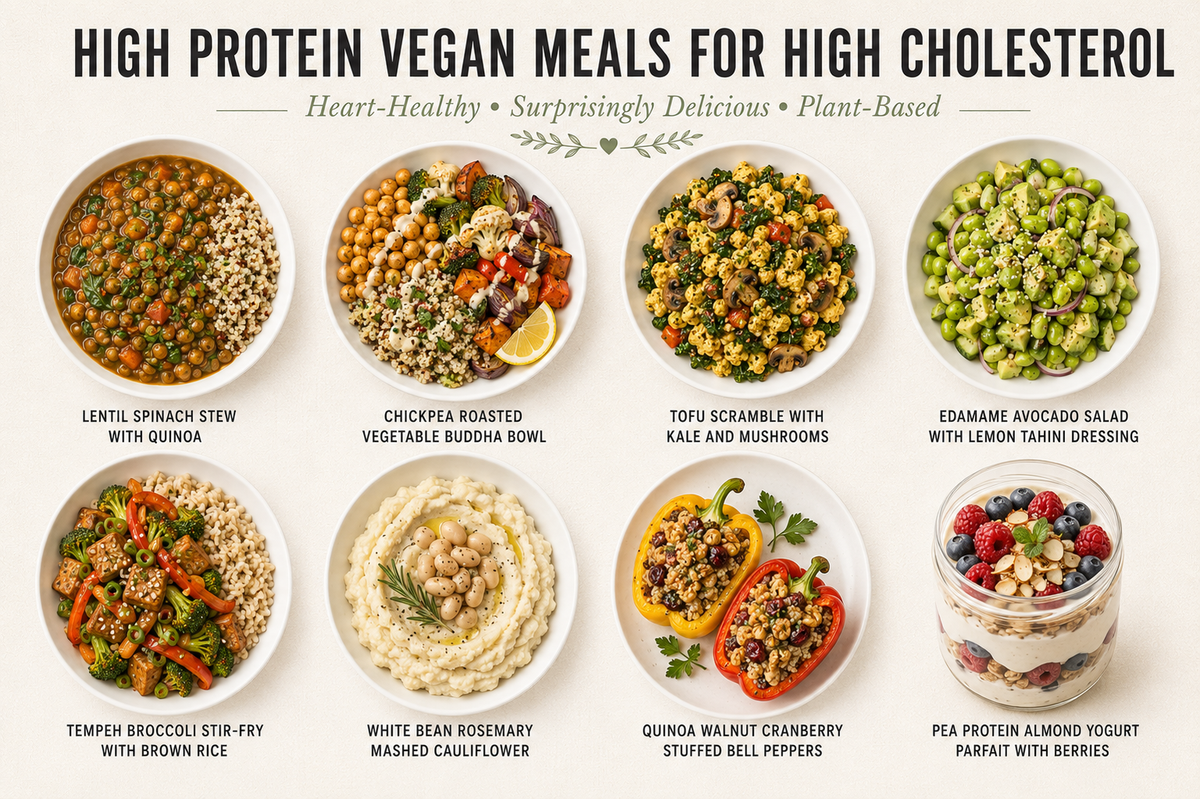
Getting enough protein while managing high cholesterol can feel challenging, especially when following a plant-based diet. Many seniors worry that cutting out animal products means missing out on the nutrients their bodies need. The good news is that vegan meals can be both protein-rich and heart-healthy at the same time.
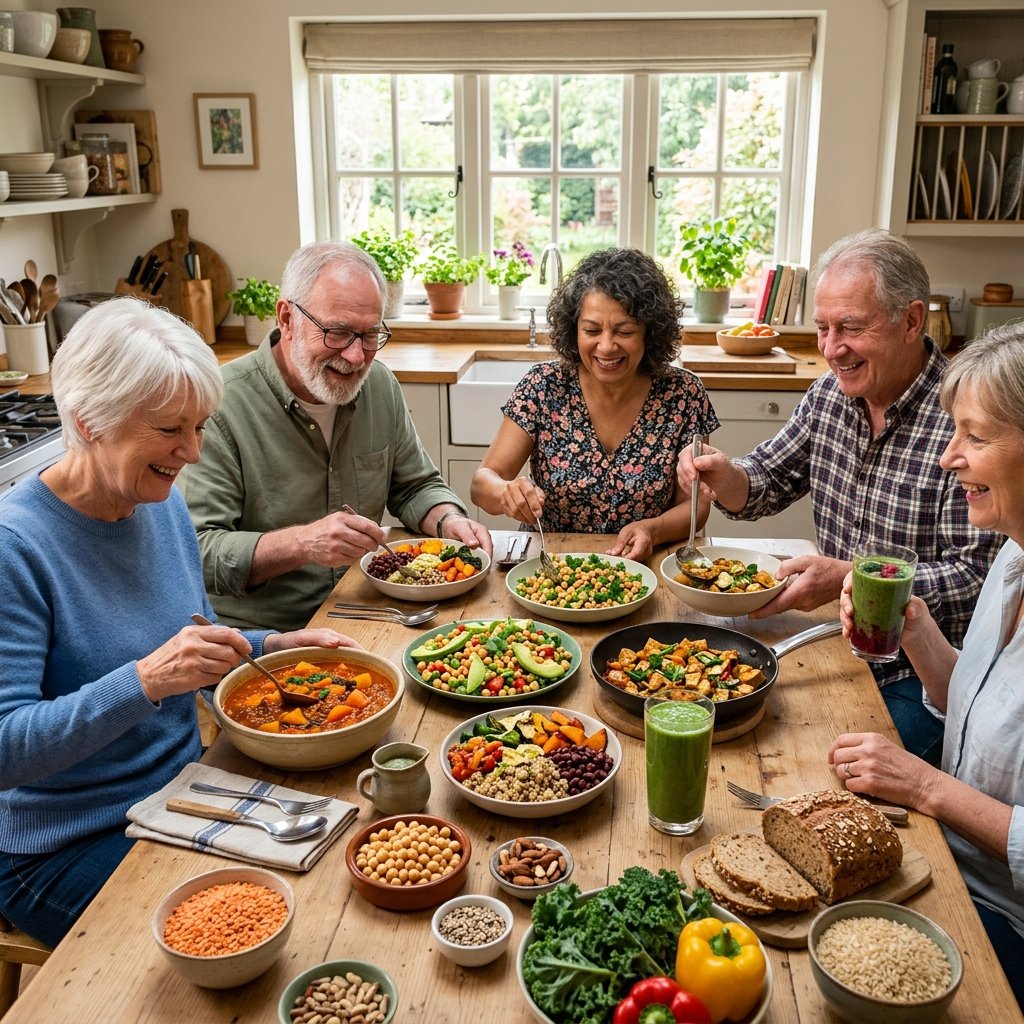
Plant-based proteins like beans, lentils, tofu, and quinoa naturally contain zero cholesterol and can help lower your LDL levels while keeping you full and energized. This article shares ten delicious meal ideas that pack plenty of protein without the saturated fats found in meat and dairy. You'll discover simple recipes that support your heart health while meeting your daily protein needs.
Each recipe in this guide is designed with your wellness in mind. From hearty stews to colorful Buddha bowls, these meals show you how easy it can be to eat well on a vegan diet. You'll also learn practical tips for building balanced plates and supporting your cardiovascular health through food choices.
Lentil and spinach stew with quinoa
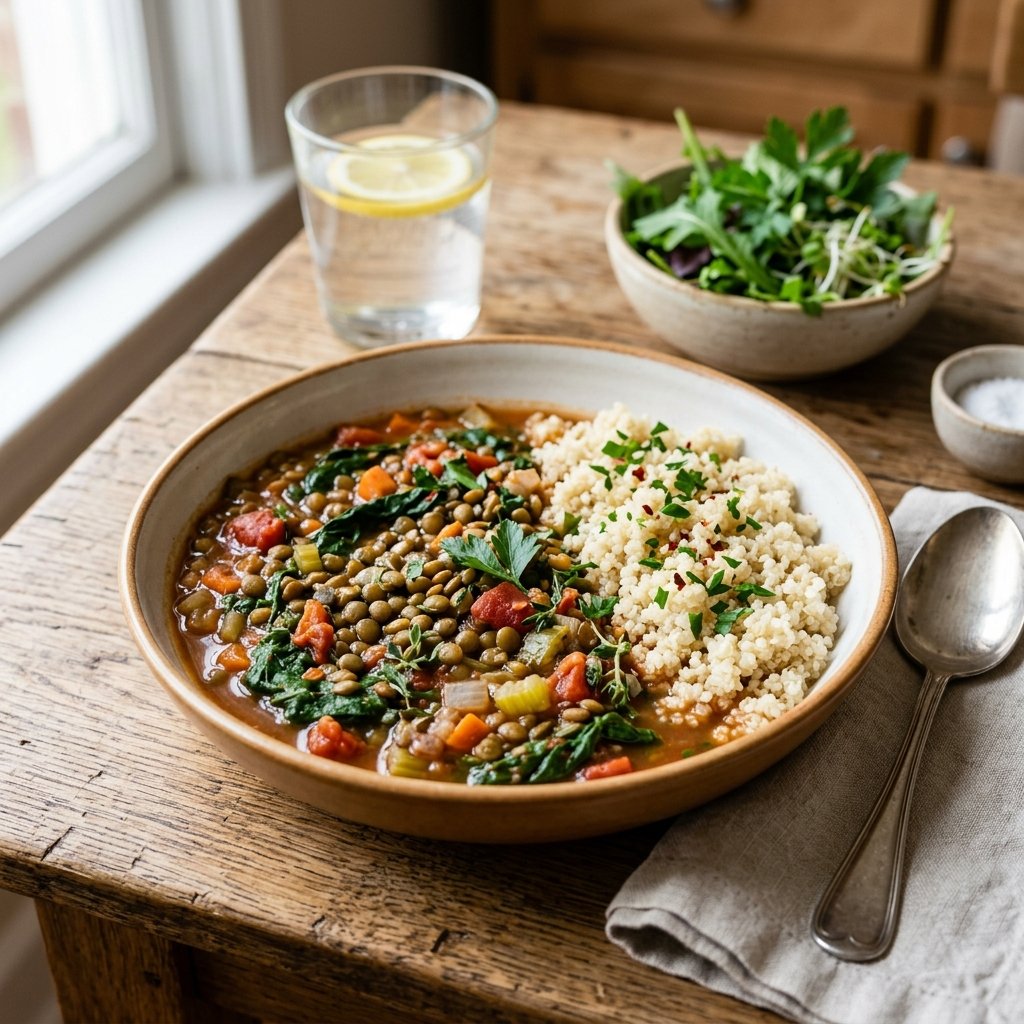
Lentil and spinach stew with quinoa (320 calories | 18g protein per serving)
This warm stew combines protein-rich lentils with quinoa to give you a complete plant-based protein. The dish is naturally low in saturated fat and contains no cholesterol, making it perfect for heart health. Fresh spinach adds iron and vitamins while keeping the meal light and easy to digest.
Ingredients
- 1 cup dried green or brown lentils
- 1/2 cup quinoa, rinsed
- 4 cups low-sodium vegetable broth
- 3 cups fresh spinach, roughly chopped
- 1 medium onion, diced
- 3 cloves garlic, minced
- 2 medium carrots, diced
- 2 celery stalks, diced
- 1 can (14 oz) diced tomatoes
- 2 tablespoons olive oil
- 1 teaspoon cumin
- 1/2 teaspoon smoked paprika
- Salt and pepper to taste
- 1 tablespoon lemon juice
Instructions
- Heat olive oil in a large pot over medium heat and add the diced onion, carrots, and celery. Cook for 5 minutes until the vegetables start to soften.
- Add the minced garlic, cumin, and smoked paprika to the pot and stir for 30 seconds until fragrant.
- Pour in the vegetable broth, lentils, and diced tomatoes with their juice. Bring everything to a boil, then reduce heat to low and simmer for 20 minutes.
- Add the rinsed quinoa to the pot and continue cooking for another 15 minutes until both the lentils and quinoa are tender.
- Stir in the chopped spinach and cook for 2-3 minutes until it wilts completely.
- Remove from heat and stir in the lemon juice. Season with salt and pepper to your taste.
Add a handful of chopped fresh parsley or cilantro on top for extra flavor and nutrients.
Chickpea and roasted vegetable Buddha bowl
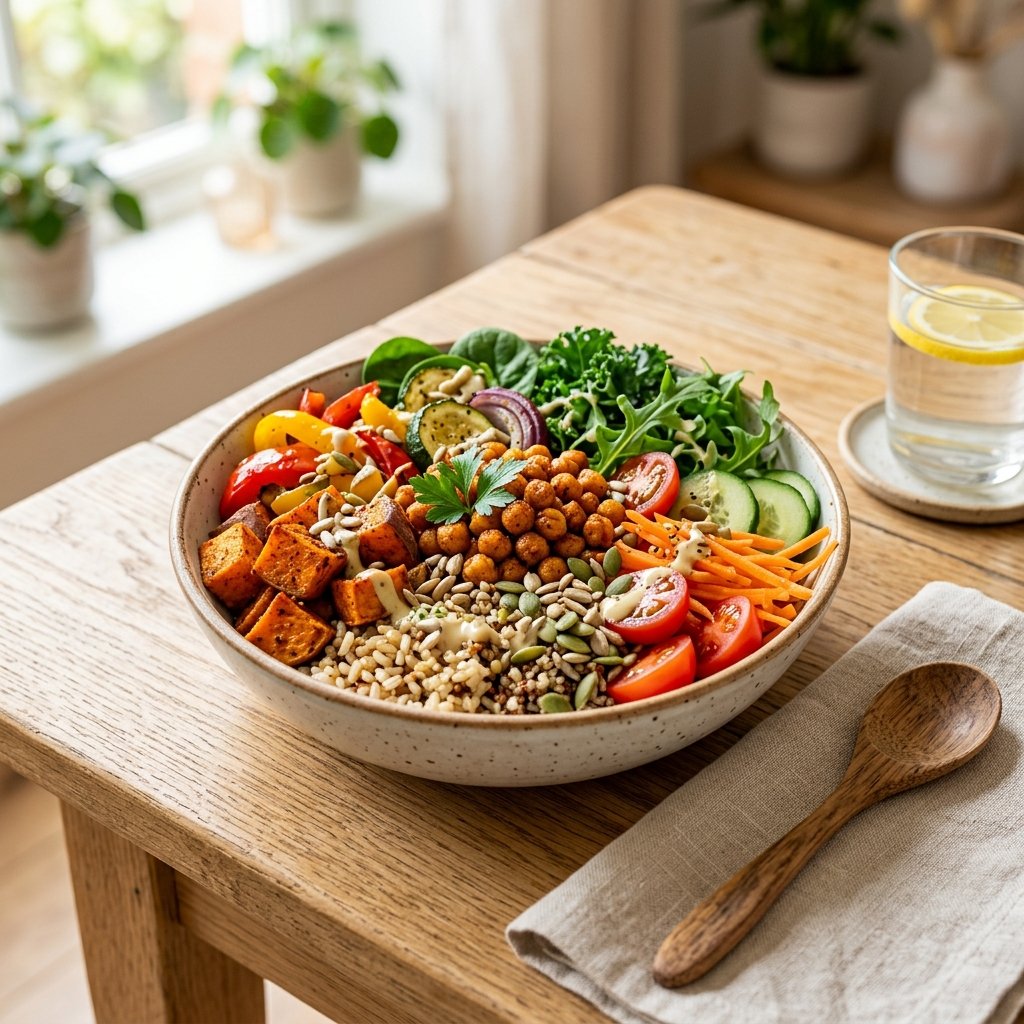
This colorful Buddha bowl delivers about 380 calories and 15 grams of protein per serving. Chickpeas serve as the main protein source while keeping cholesterol at zero. The roasted vegetables add fiber and vitamins that support heart health.
Ingredients
- 1 can (15 oz) chickpeas, drained and rinsed
- 1 medium sweet potato, cubed
- 1 cup broccoli florets
- 1 red bell pepper, sliced
- 2 tablespoons olive oil
- 1 teaspoon cumin
- 1/2 teaspoon garlic powder
- 1/4 teaspoon black pepper
- 2 cups cooked quinoa
- 2 cups fresh spinach
- 1/4 cup tahini
- 2 tablespoons lemon juice
- 2 tablespoons water
- Salt to taste
Instructions
- Heat your oven to 400°F and line a baking sheet with parchment paper.
- Toss the chickpeas, sweet potato, broccoli, and bell pepper with olive oil, cumin, garlic powder, and black pepper in a large bowl.
- Spread the vegetables and chickpeas on the baking sheet in a single layer.
- Roast for 25-30 minutes until the vegetables are tender and slightly browned, stirring halfway through.
- Mix the tahini, lemon juice, and water in a small bowl to make the dressing. Add more water if you want it thinner.
- Divide the cooked quinoa between two bowls and add fresh spinach on top.
- Add the roasted vegetables and chickpeas over the quinoa and spinach.
- Drizzle the tahini dressing over each bowl and add salt to taste.
Try adding different roasted vegetables like cauliflower or zucchini based on what you have available.
Tofu scramble with sautéed kale and mushrooms
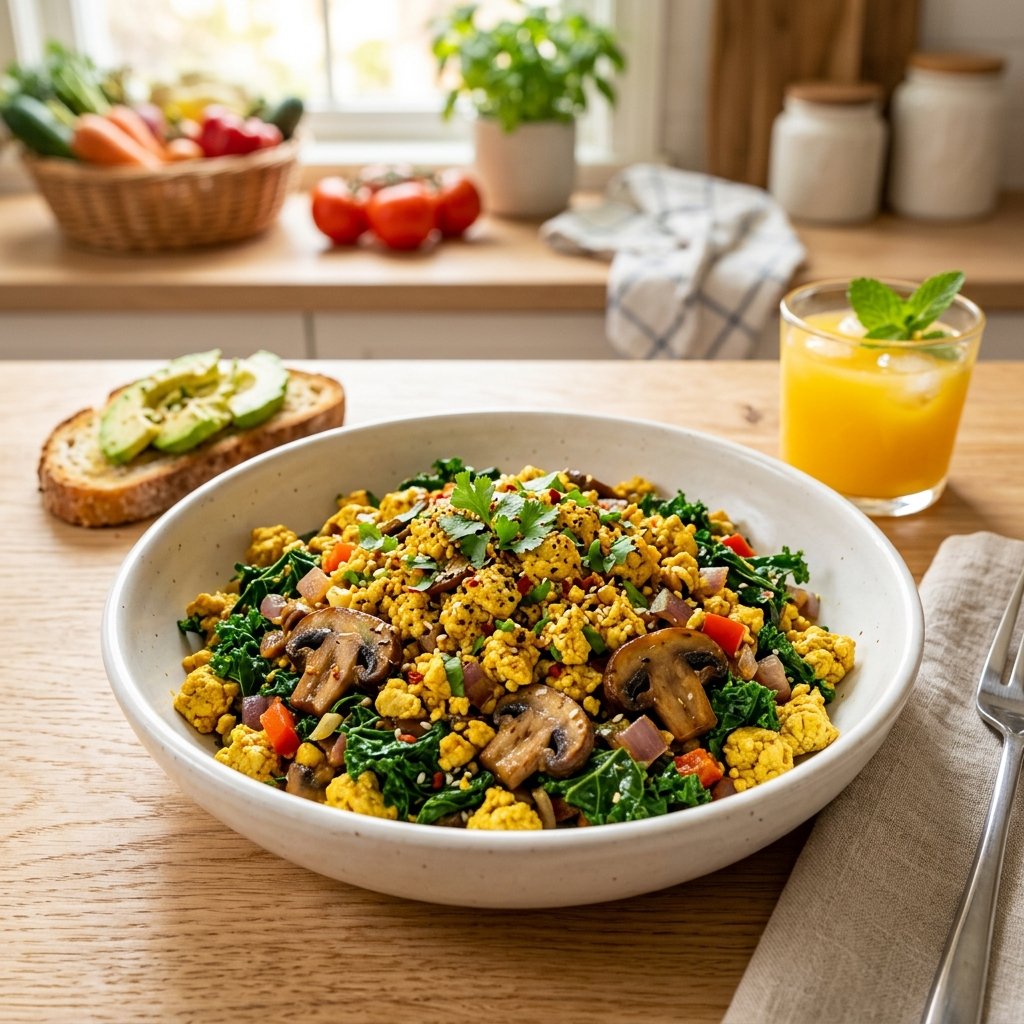
Tofu scramble with sautéed kale and mushrooms (280 calories | 18g protein per serving)
This plant-based breakfast delivers solid protein from crumbled tofu while keeping your cholesterol levels in check. The kale adds fiber and nutrients that support heart health. Mushrooms bring an earthy flavor and extra vitamins without any saturated fat. This meal works great for busy mornings when you need something filling and nutritious.
Ingredients
- 14 oz block firm tofu, drained and pressed
- 2 cups chopped kale
- 1 cup sliced mushrooms
- 2 tablespoons olive oil
- 1/2 teaspoon turmeric
- 1/2 teaspoon garlic powder
- 1/4 teaspoon black pepper
- 1/4 teaspoon salt
- 2 tablespoons nutritional yeast
Instructions
- Heat 1 tablespoon of olive oil in a large skillet over medium heat.
- Crumble the tofu into the pan using your hands or a fork into bite-sized pieces.
- Add turmeric, garlic powder, black pepper, and salt to the tofu and stir well.
- Cook the tofu for 5-7 minutes, stirring occasionally until it turns golden.
- Push the tofu to one side of the pan and add the remaining tablespoon of oil.
- Add mushrooms to the empty side and cook for 3-4 minutes until they soften.
- Toss in the kale and cook for another 2-3 minutes until it wilts.
- Mix everything together and sprinkle nutritional yeast on top before serving.
Add a splash of hot sauce or sprinkle with hemp seeds for extra protein and flavor.
Edamame and avocado salad with lemon-tahini dressing
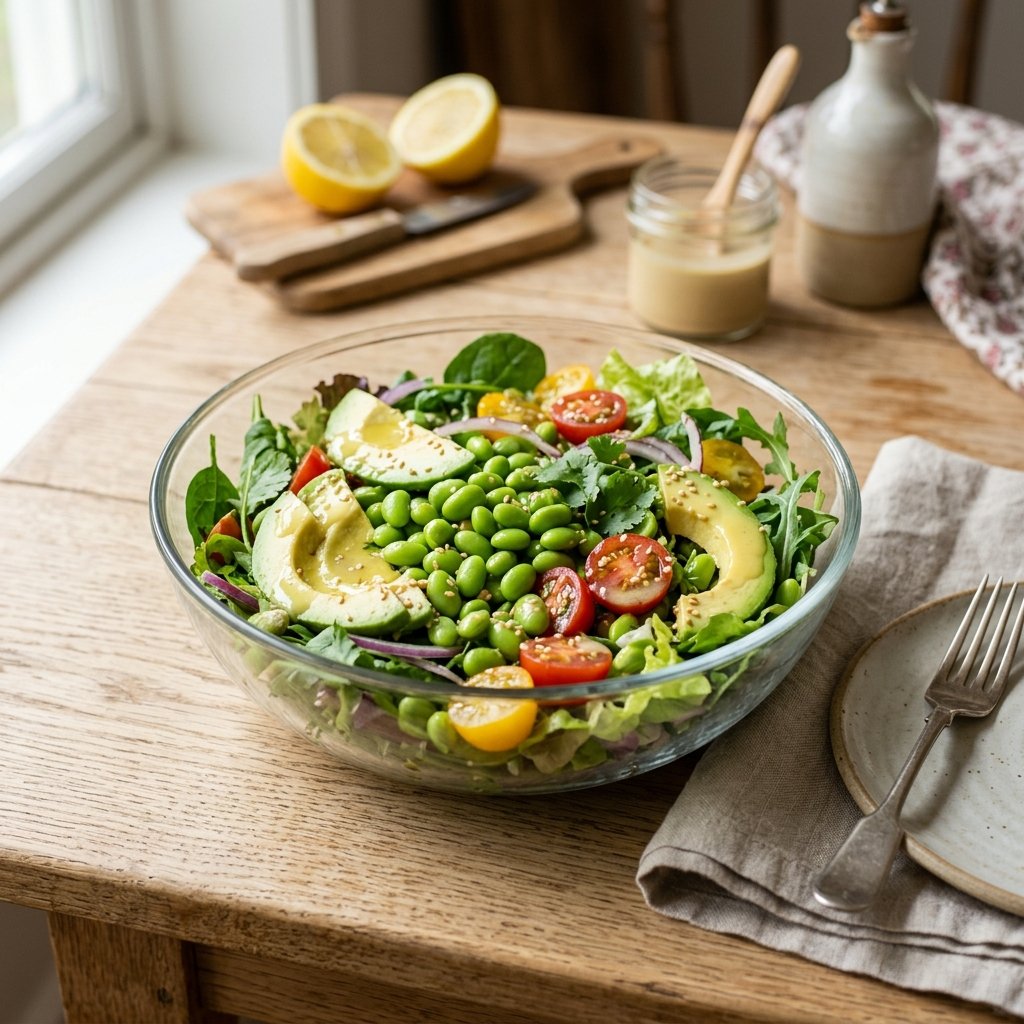
(280 calories | 14g protein per serving)
This fresh salad combines protein-rich edamame with creamy avocado and a tangy tahini dressing. The edamame provides plant-based protein while the healthy fats from avocado help you feel full longer. This meal is perfect for seniors managing cholesterol since it contains no animal products and includes heart-healthy ingredients.
Ingredients
- 1 cup shelled edamame, cooked
- 1 medium avocado, diced
- 2 cups mixed salad greens
- 1/4 cup cherry tomatoes, halved
- 2 tablespoons tahini
- 2 tablespoons fresh lemon juice
- 1 tablespoon water
- 1 clove garlic, minced
- 1/4 teaspoon salt
- 1 tablespoon hemp seeds
Instructions
- Cook the edamame according to package directions, then drain and let cool for 5 minutes.
- Combine the tahini, lemon juice, water, garlic, and salt in a small bowl and whisk until smooth.
- Place the salad greens in a large bowl and add the cooled edamame, diced avocado, and cherry tomatoes.
- Pour the lemon-tahini dressing over the salad and toss gently to coat all ingredients.
- Sprinkle hemp seeds on top before serving.
Add chickpeas or white beans for extra protein and fiber.
Black bean and sweet potato enchiladas (low-sodium)
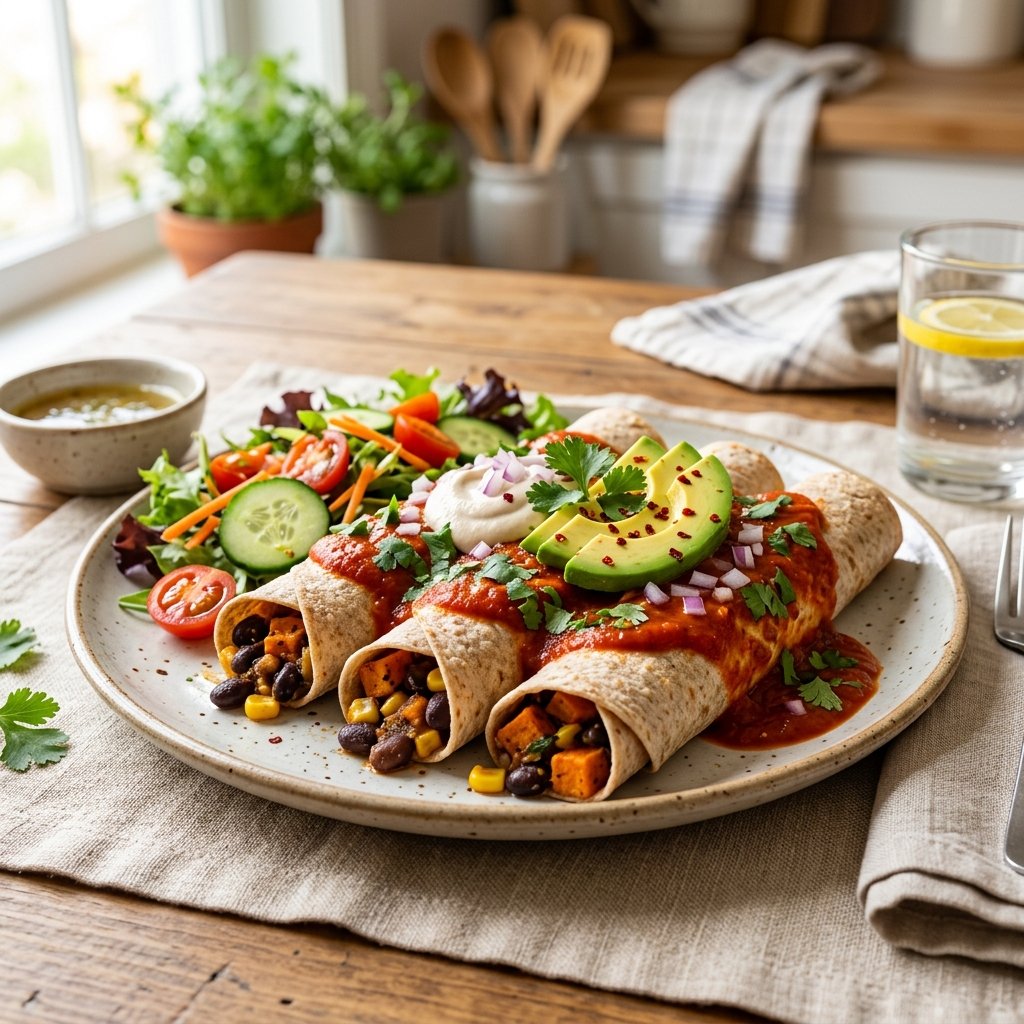
Black beans and sweet potatoes team up to deliver about 15 grams of protein per serving in this heart-healthy dish. At roughly 320 calories per enchilada, this meal keeps your cholesterol in check while satisfying your comfort food cravings. The fiber from both ingredients also helps lower bad cholesterol naturally.
Ingredients
- 2 medium sweet potatoes, peeled and diced
- 1 can (15 oz) low-sodium black beans, drained and rinsed
- 1 cup cooked quinoa
- 1 teaspoon cumin
- 1 teaspoon chili powder
- 1/2 teaspoon garlic powder
- 8 whole wheat tortillas (8-inch)
- 1 cup low-sodium enchilada sauce
- 1/2 cup nutritional yeast
- 1 tablespoon olive oil
- 1/2 cup diced red onion
- 1/4 cup fresh cilantro, chopped
Instructions
- Preheat your oven to 375°F and lightly oil a 9x13 inch baking dish.
- Heat olive oil in a large pan over medium heat and cook the diced sweet potatoes for 8-10 minutes until tender.
- Add the onion to the pan and cook for 2 more minutes until softened.
- Stir in the black beans, quinoa, cumin, chili powder, and garlic powder, then cook for 3 minutes.
- Spread 1/4 cup of enchilada sauce on the bottom of your baking dish.
- Fill each tortilla with about 1/3 cup of the sweet potato mixture and roll it up tightly.
- Place the rolled enchiladas seam-side down in the baking dish.
- Pour the remaining enchilada sauce over the top and sprinkle with nutritional yeast.
- Cover with foil and bake for 20 minutes, then remove the foil and bake 10 more minutes.
- Let the enchiladas cool for 5 minutes before serving and top with fresh cilantro.
Add diced avocado on top for healthy fats that help your body absorb nutrients better.
Tempeh and broccoli stir-fry with brown rice
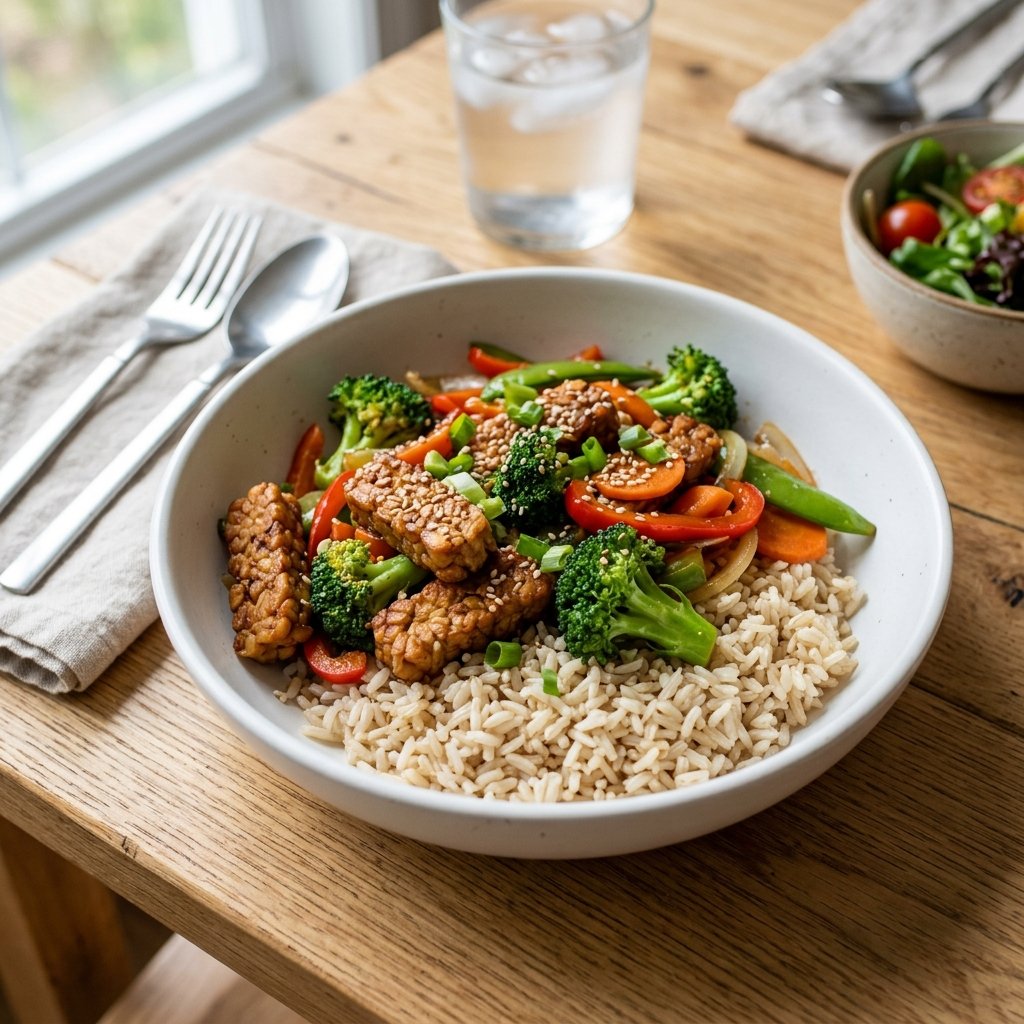
Tempeh and broccoli stir-fry with brown rice (380 calories | 22g protein per serving)
This stir-fry brings together tempeh and broccoli for a filling meal that's easy on your heart. Tempeh is made from fermented soybeans and packs more protein than regular tofu. The brown rice adds fiber that helps lower cholesterol naturally. This dish works great for lunch or dinner and takes less than 30 minutes to make.
Ingredients
- 8 oz tempeh, cubed
- 3 cups broccoli florets
- 1 cup cooked brown rice
- 2 tablespoons low-sodium soy sauce
- 1 tablespoon sesame oil
- 2 cloves garlic, minced
- 1 teaspoon fresh ginger, grated
- 1 tablespoon rice vinegar
- 1 teaspoon maple syrup
- 2 tablespoons water
- 1 tablespoon sesame seeds
Instructions
- Steam your tempeh cubes for 10 minutes to remove any bitterness and help them absorb flavors better.
- Heat sesame oil in a large pan or wok over medium-high heat.
- Add the steamed tempeh cubes and cook for 5-6 minutes until golden brown on all sides, stirring occasionally.
- Toss in the minced garlic and grated ginger, cooking for 30 seconds until fragrant.
- Add broccoli florets and water to the pan, then cover and let steam for 3-4 minutes until the broccoli turns bright green and tender.
- Mix together soy sauce, rice vinegar, and maple syrup in a small bowl.
- Pour the sauce over your tempeh and broccoli, stirring everything together for 1-2 minutes.
- Serve the stir-fry over your cooked brown rice and sprinkle sesame seeds on top.
Add sliced bell peppers or snap peas for extra vegetables and color.
White Bean and Rosemary Mashed Cauliflower
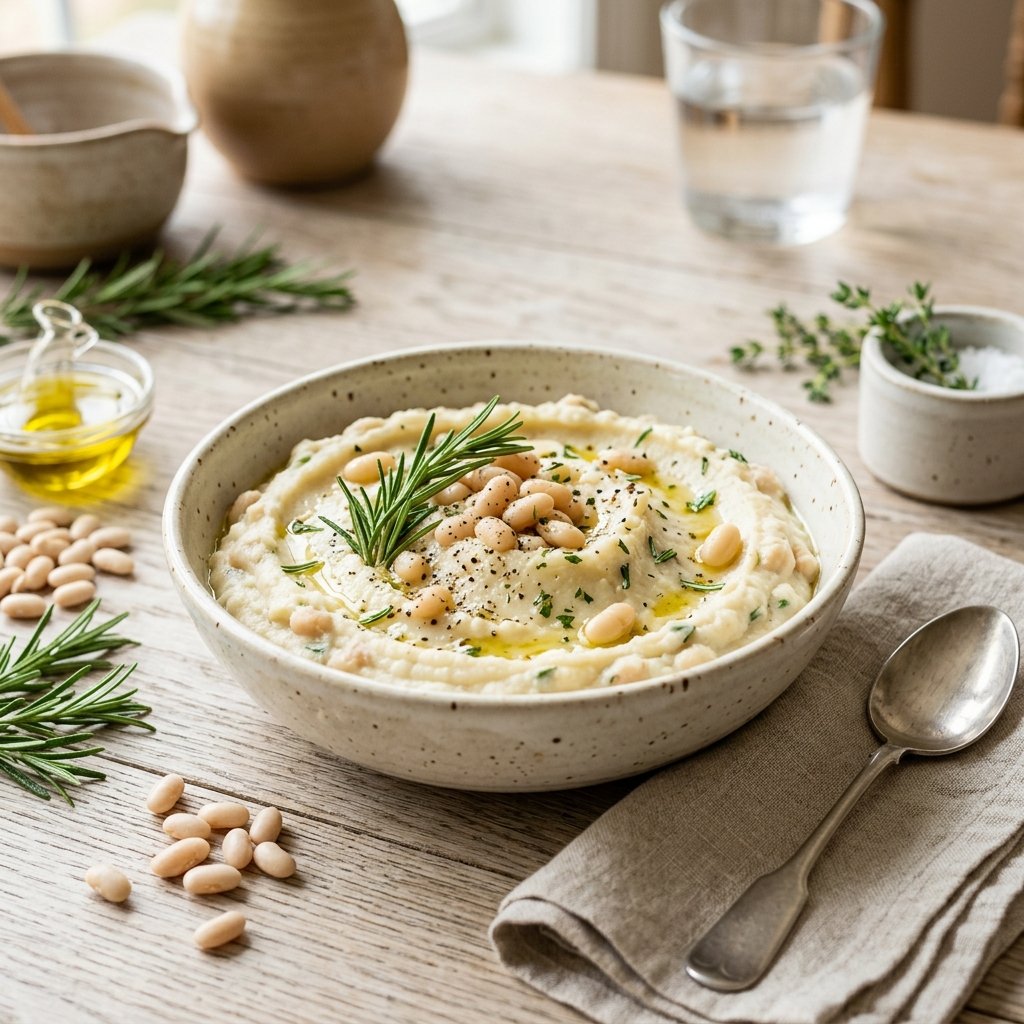
White Bean and Rosemary Mashed Cauliflower (220 calories | 12g protein per serving)
This creamy side dish combines white beans with cauliflower to create a protein-rich alternative to traditional mashed potatoes. The beans add fiber that helps lower cholesterol while boosting the protein content. Fresh rosemary gives it an earthy flavor that makes this dish feel special enough for dinner guests.
Ingredients
- 1 large head of cauliflower, cut into florets
- 1 can (15 oz) white beans, drained and rinsed
- 3 cloves garlic, minced
- 2 tablespoons olive oil
- 1 tablespoon fresh rosemary, chopped
- 1/4 cup unsweetened almond milk
- 1/2 teaspoon salt
- 1/4 teaspoon black pepper
- 1 tablespoon nutritional yeast
Instructions
- Bring a large pot of water to a boil and add the cauliflower florets.
- Cook for 10-12 minutes until the cauliflower is very soft and tender.
- While the cauliflower cooks, heat the olive oil in a small pan over medium heat.
- Add the minced garlic and rosemary to the pan and cook for 1-2 minutes until fragrant.
- Drain the cauliflower well and transfer it to a large bowl.
- Add the white beans, garlic-rosemary mixture, almond milk, salt, pepper, and nutritional yeast to the bowl.
- Use a potato masher or immersion blender to mash everything together until smooth and creamy.
- Taste and adjust the salt and pepper as needed.
You can add roasted garlic instead of raw garlic for a sweeter, milder flavor.
Quinoa, Walnut and Cranberry Stuffed Bell Peppers
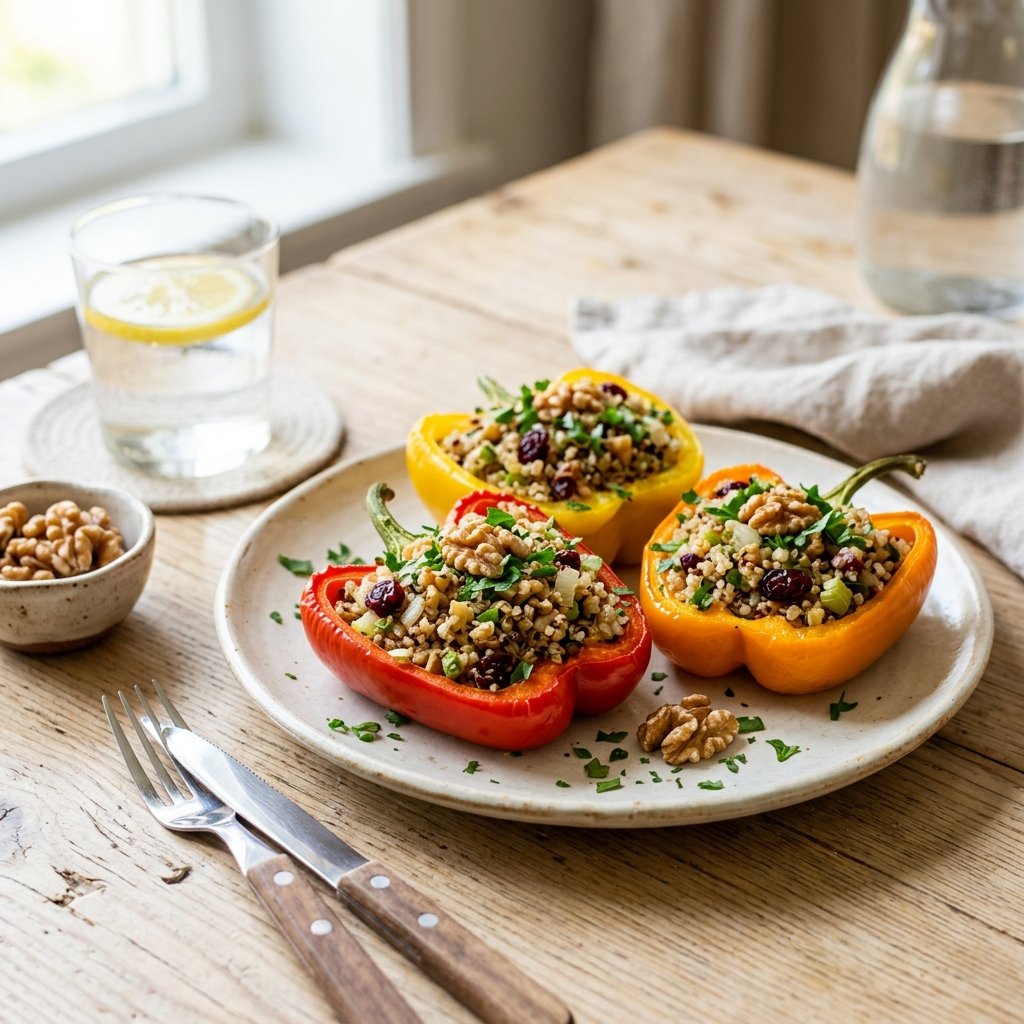
Quinoa, Walnut and Cranberry Stuffed Bell Peppers (285 calories | 11g protein per serving)
These colorful stuffed peppers combine quinoa and walnuts to deliver a solid protein punch while keeping your cholesterol in check. The walnuts add heart-healthy omega-3 fatty acids that can help lower bad cholesterol levels. Sweet cranberries balance the nutty flavors and add a pop of color to your plate. This recipe works great for meal prep since you can make several peppers at once and reheat them throughout the week.
Ingredients
- 4 large bell peppers (any color)
- 1 cup quinoa, uncooked
- 2 cups vegetable broth
- 1/2 cup walnuts, chopped
- 1/3 cup dried cranberries
- 1 small onion, diced
- 2 cloves garlic, minced
- 2 tablespoons olive oil
- 1 teaspoon dried thyme
- 1/2 teaspoon salt
- 1/4 teaspoon black pepper
- 2 tablespoons nutritional yeast
Instructions
- Preheat your oven to 375°F and cut the tops off the bell peppers, removing all seeds and membranes.
- Cook quinoa in vegetable broth according to package directions, usually about 15 minutes.
- Heat olive oil in a large pan over medium heat and cook the onion for 3-4 minutes until soft.
- Add garlic and cook for another minute until it smells good.
- Stir in the cooked quinoa, walnuts, cranberries, thyme, salt, pepper, and nutritional yeast.
- Stuff each bell pepper with the quinoa mixture and place them upright in a baking dish.
- Add 1/4 cup water to the bottom of the dish and cover with foil.
- Bake for 30 minutes, then remove foil and bake another 10 minutes until peppers are tender.
Try adding chickpeas to the filling for even more protein and fiber.
Pea-protein and almond yogurt parfait with berries
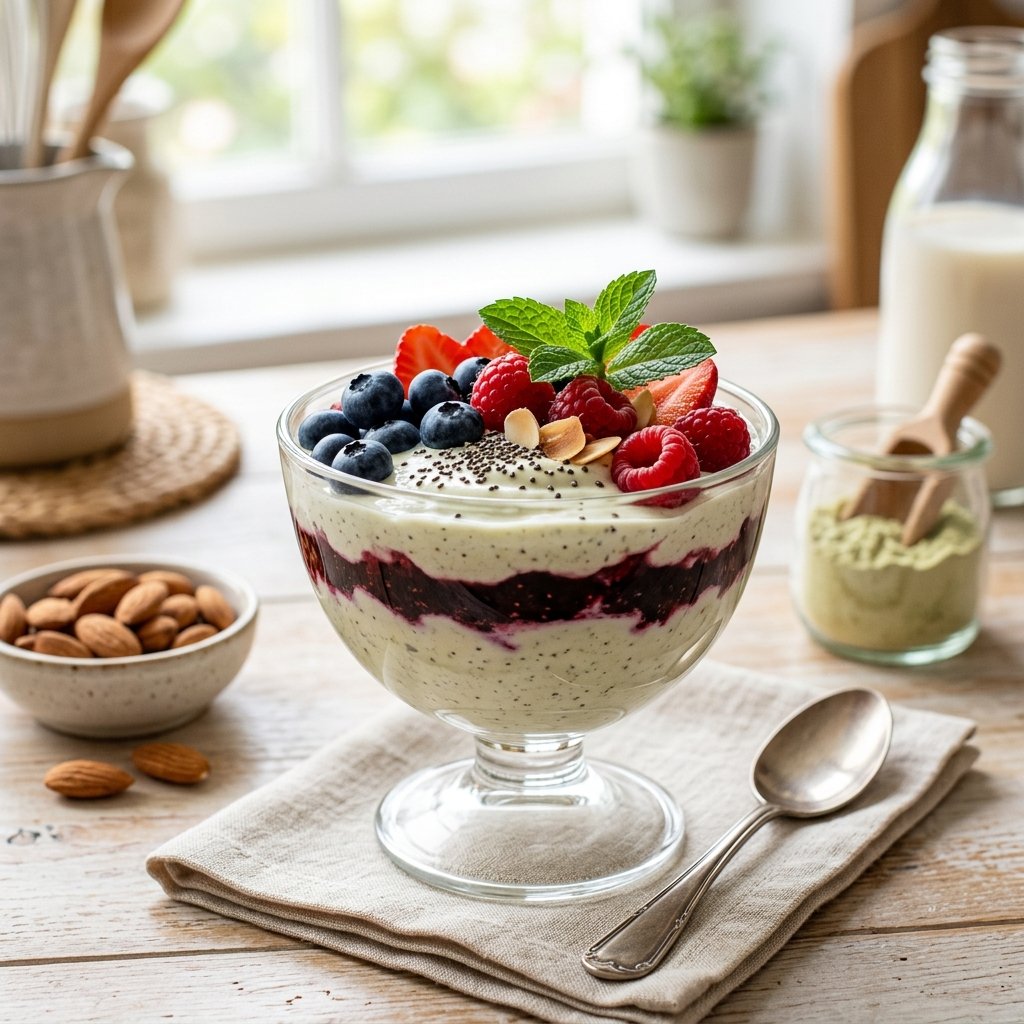
Pea-protein and almond yogurt parfait with berries (280 calories | 18g protein per serving)
This colorful parfait combines pea protein powder with creamy almond yogurt to give you a protein-packed breakfast or snack. The berries add fiber and antioxidants while keeping cholesterol levels in check. It takes just five minutes to prepare and requires no cooking at all. This recipe works great for busy mornings when you need something quick but filling.
Ingredients
- 1 cup unsweetened almond yogurt
- 1 scoop vanilla pea protein powder (about 20g)
- 1/2 cup mixed fresh berries (blueberries, strawberries, raspberries)
- 2 tablespoons sliced almonds
- 1 tablespoon ground flaxseed
- 1/2 teaspoon vanilla extract
- 1 teaspoon maple syrup (optional)
Instructions
- Pour the almond yogurt into a medium bowl and add the pea protein powder. Stir well until the powder is fully mixed in with no clumps.
- Add the vanilla extract and maple syrup if you want it sweeter. Mix everything together until smooth.
- Rinse your berries and pat them dry with a paper towel. Cut any large strawberries into smaller pieces.
- Get a clear glass or bowl for serving. Spoon half of the yogurt mixture into the bottom.
- Add half of the berries on top of the yogurt layer. Sprinkle half of the sliced almonds and flaxseed over the berries.
- Repeat the layers with the remaining yogurt, berries, almonds, and flaxseed.
- Serve right away or cover and refrigerate for up to 24 hours.
Try adding a tablespoon of chia seeds for extra omega-3 fatty acids and fiber.
Seared salmon alternative: smoked carrot 'lox' on whole grain toast
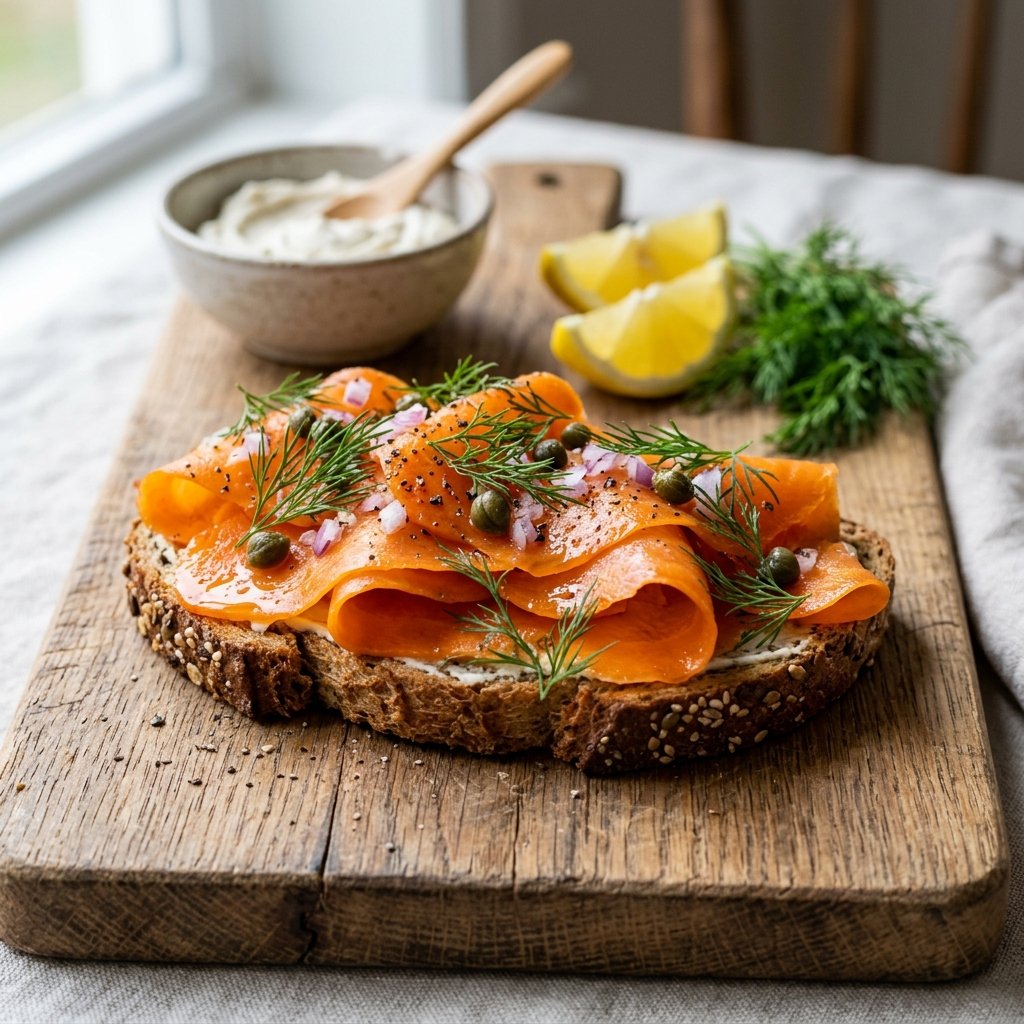
Smoked Carrot 'Lox' on Whole Grain Toast (280 calories | 14g protein per serving)
This plant-based twist on classic lox gives you a smoky, satisfying breakfast without any fish or cholesterol. The carrots provide fiber and vitamins, while tahini and chickpeas boost the protein content. It's perfect for seniors looking to reduce cholesterol while still enjoying familiar flavors. The smoked carrots can be made ahead and stored for quick weekday breakfasts.
Ingredients
- 2 large carrots, peeled and sliced into thin ribbons
- 1 tablespoon liquid smoke
- 1 tablespoon low-sodium soy sauce
- 1 teaspoon maple syrup
- 2 slices whole grain bread
- 3 tablespoons tahini
- 1/4 cup mashed chickpeas
- 1 tablespoon capers
- 1/4 red onion, thinly sliced
- Fresh dill for garnish
- Black pepper to taste
Instructions
- Mix liquid smoke, soy sauce, and maple syrup in a shallow dish.
- Add carrot ribbons and marinate for 30 minutes, flipping halfway through.
- Heat a non-stick pan over medium heat and cook the marinated carrots for 2-3 minutes per side until slightly charred.
- Toast the whole grain bread until golden and crispy.
- Mix tahini with mashed chickpeas and spread generously on each toast.
- Layer the smoked carrot ribbons on top of the chickpea-tahini spread.
- Add capers, red onion slices, and fresh dill.
- Finish with a sprinkle of black pepper.
Add a squeeze of lemon juice on top for extra brightness, or swap tahini for mashed white beans for a different protein boost.
Nutritional Benefits of Plant-Based Protein
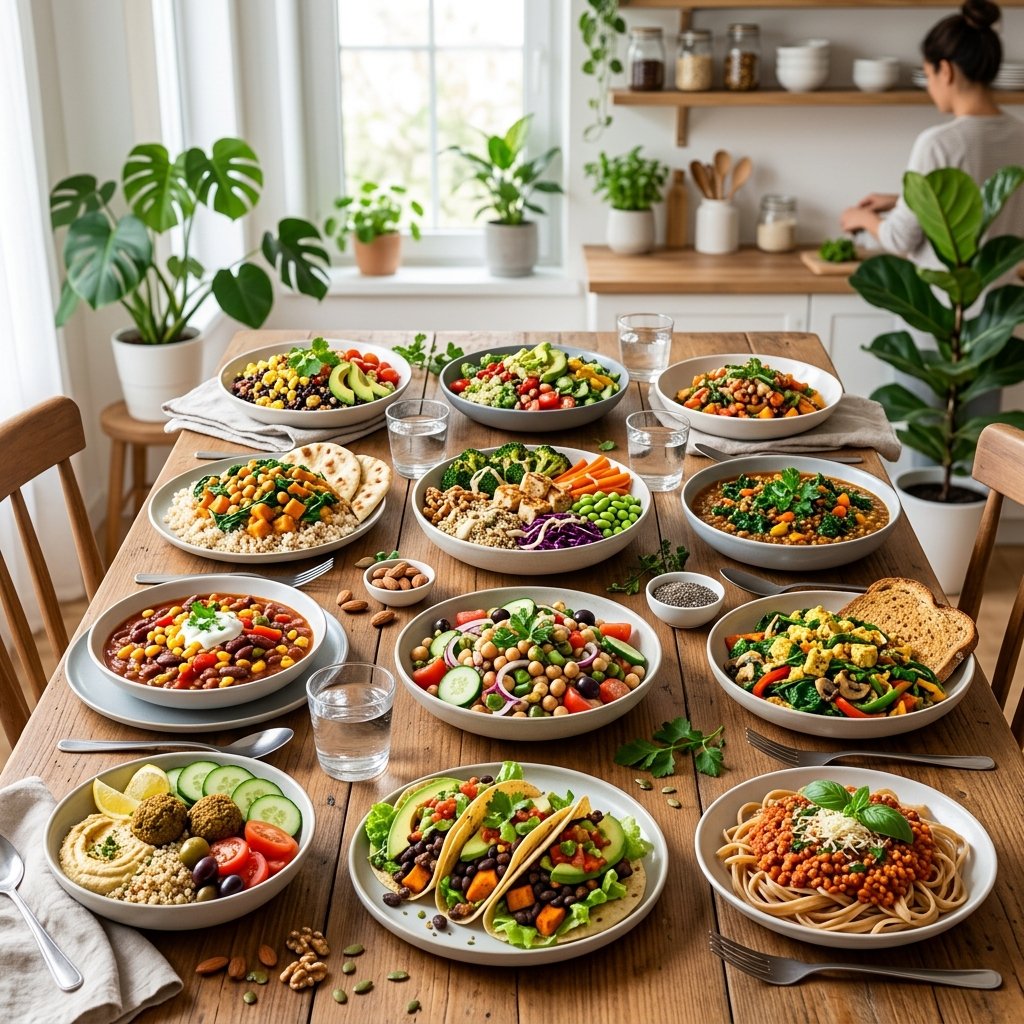
Plant-based proteins provide essential nutrients that support heart health and reduce cholesterol levels naturally. They offer complete amino acids, protective fiber, and vital micronutrients that become increasingly important as you age.
Essential Amino Acids for Older Adults
Your body needs all nine essential amino acids to build and maintain muscle mass, which becomes harder after age 50. While animal proteins contain all nine amino acids, many plant proteins offer complete amino acid profiles too.
Quinoa, soy products like tofu and tempeh, and buckwheat are complete proteins on their own. They give you every amino acid your body can't make by itself.
You can also combine different plant proteins throughout the day to get all essential amino acids. Beans paired with rice, or lentils with whole grain bread, create complete protein combinations. Your body stores amino acids and uses them as needed, so you don't have to eat complete proteins at every single meal.
Older adults need about 1 to 1.2 grams of protein per kilogram of body weight daily. That's roughly 68 to 82 grams for a 150-pound person.
Fiber and Heart Health
Plant proteins come packaged with fiber, which directly lowers your cholesterol levels. Soluble fiber binds to cholesterol in your digestive system and removes it from your body before it enters your bloodstream.
You need 25 to 30 grams of fiber daily, but most Americans only get about 15 grams. One cup of cooked lentils provides 16 grams of fiber and 18 grams of protein.
Fiber also helps you feel full longer and stabilizes your blood sugar levels. This prevents overeating and reduces your risk of developing type 2 diabetes. Black beans, chickpeas, and split peas are excellent sources that combine high protein with cholesterol-lowering fiber.
Micronutrient Considerations
Plant-based proteins provide important vitamins and minerals that protect your heart. Legumes and nuts contain magnesium, which helps regulate blood pressure and supports healthy heart rhythm.
You should pay attention to vitamin B12, which only comes from animal products or fortified foods. Many plant-based milk alternatives and nutritional yeast are fortified with B12. You may need a supplement if you eat mostly plant-based meals.
Iron from plant sources absorbs less easily than iron from meat. Eat vitamin C-rich foods like bell peppers or citrus fruits with your meals to boost iron absorption. Pairing spinach with tomatoes or adding lemon juice to lentil soup helps your body use the iron better.
Zinc supports your immune system and comes from beans, nuts, and seeds. Soaking and sprouting these foods before cooking increases zinc availability.
Tips for Supporting Heart Health While Eating Vegan
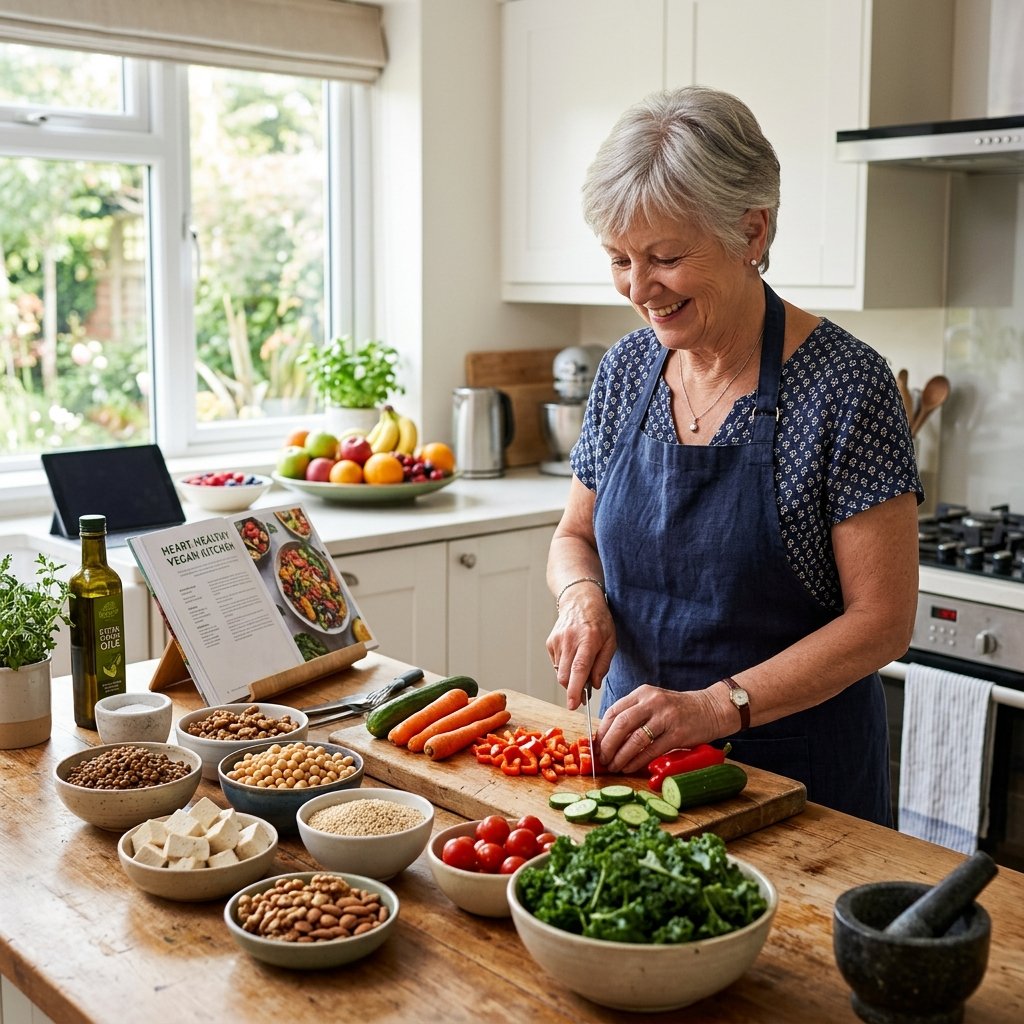
Eating vegan can lower cholesterol naturally, but you need to focus on getting enough omega-3 fatty acids and limiting sodium and added sugars in your diet.
Incorporating Omega-3 Rich Foods
Omega-3 fatty acids help reduce inflammation and protect your heart. Your body needs these healthy fats to keep cholesterol levels balanced.
Flaxseeds and chia seeds are excellent plant sources. Grind flaxseeds before eating them so your body can absorb the nutrients better. Add one to two tablespoons to your oatmeal or smoothies each day.
Walnuts provide omega-3s plus protein. A small handful makes a good snack or salad topping.
Hemp seeds contain all three omega-3 types your body needs. Sprinkle three tablespoons on salads, yogurt, or grain bowls daily.
Consider taking an algae-based omega-3 supplement if you don't eat these foods regularly. Algae oil provides the same type of omega-3s found in fish without any cholesterol.
Reducing Sodium and Added Sugars
Too much sodium raises blood pressure and strains your heart. Most packaged vegan foods contain high sodium levels, so check labels carefully.
Aim for less than 1,500 mg of sodium per day if you have high cholesterol. Choose low-sodium versions of canned beans, vegetable broth, and tomato products.
Season with herbs and spices instead of salt. Garlic, onion powder, basil, oregano, and cumin add flavor without sodium.
Added sugars increase triglycerides and contribute to heart disease. Many vegan desserts and protein bars contain as much sugar as regular versions.
Read ingredient lists and avoid items with sugar in the first three ingredients. Watch for hidden sugars like agave nectar, corn syrup, and cane juice.
Satisfy sweet cravings with fresh fruit instead. Berries, apples, and oranges provide natural sweetness plus fiber that helps lower cholesterol.