12 High Protein Dinners for Women Over 50 to Preserve Muscle After Menopause: Delicious Meals You'll Actually Crave (25g+ Protein Each)

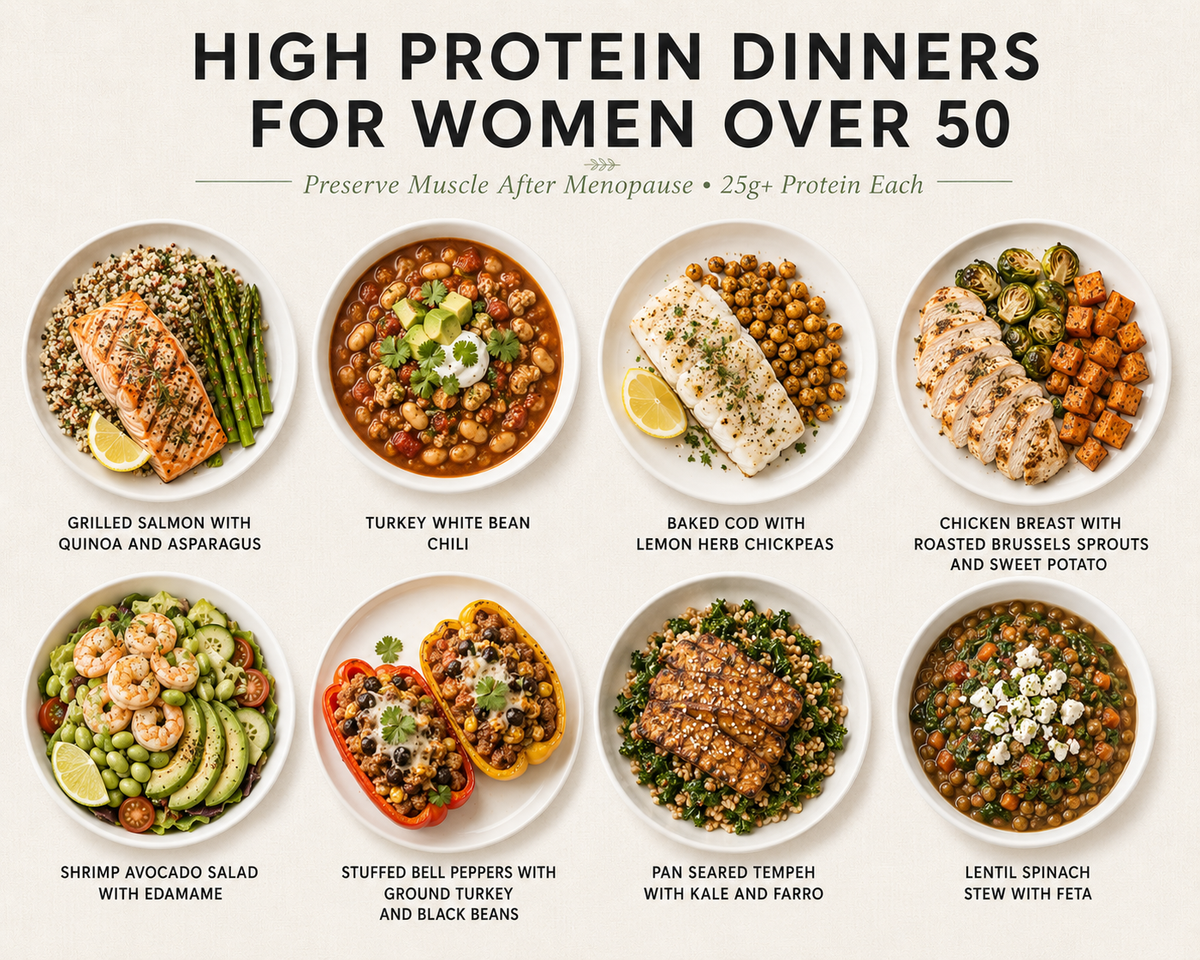
After menopause, women face unique changes in their bodies that affect muscle mass and overall strength. Hormonal shifts can make it harder to maintain lean muscle, which is why eating enough protein becomes more important than ever.
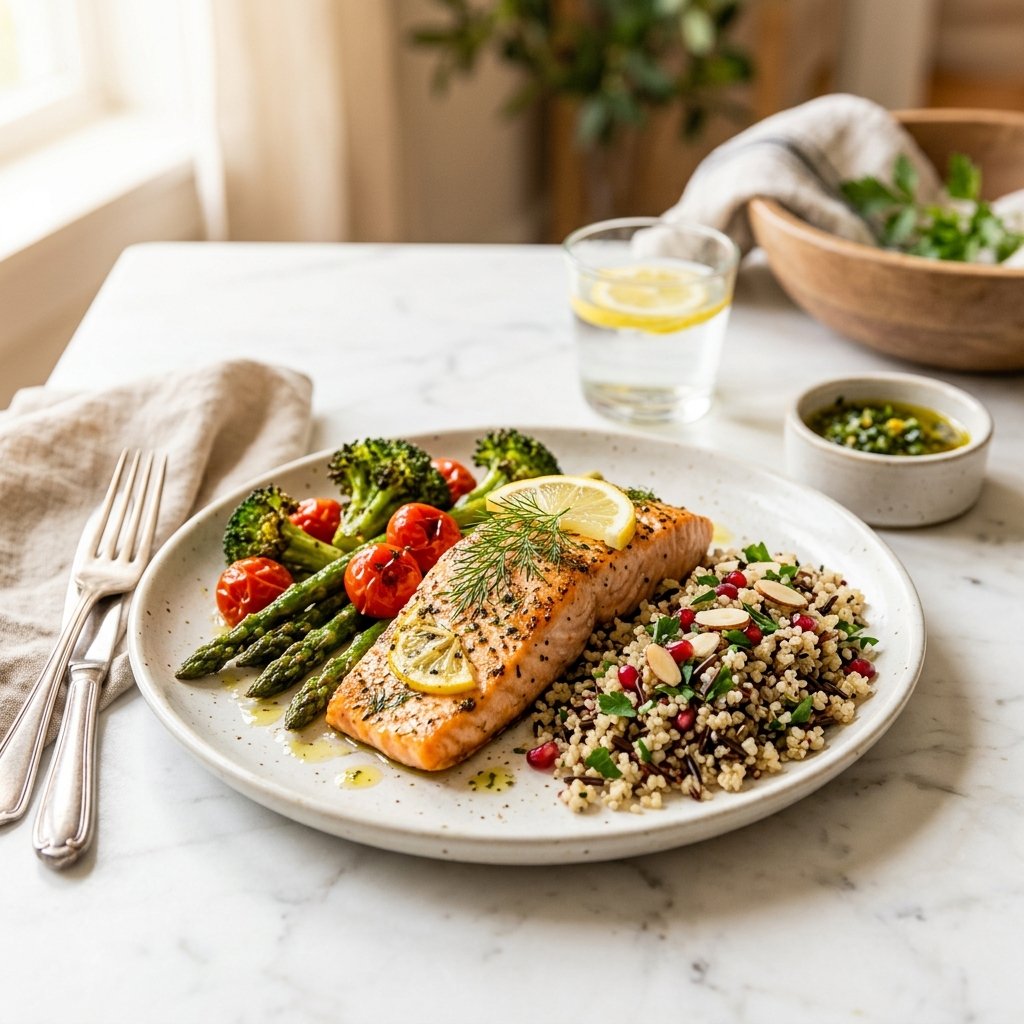
Getting at least 25-30 grams of protein per meal helps your body preserve and build muscle tissue, especially when combined with regular physical activity. The meals ahead include options with fish, poultry, plant-based proteins, and dairy to give you variety throughout your week.
These dinners are designed to be simple, nutritious, and packed with the protein your body needs. From quick stir-fries to hearty stews, you'll find options that fit your lifestyle and taste preferences.
Grilled Salmon with Quinoa and Asparagus
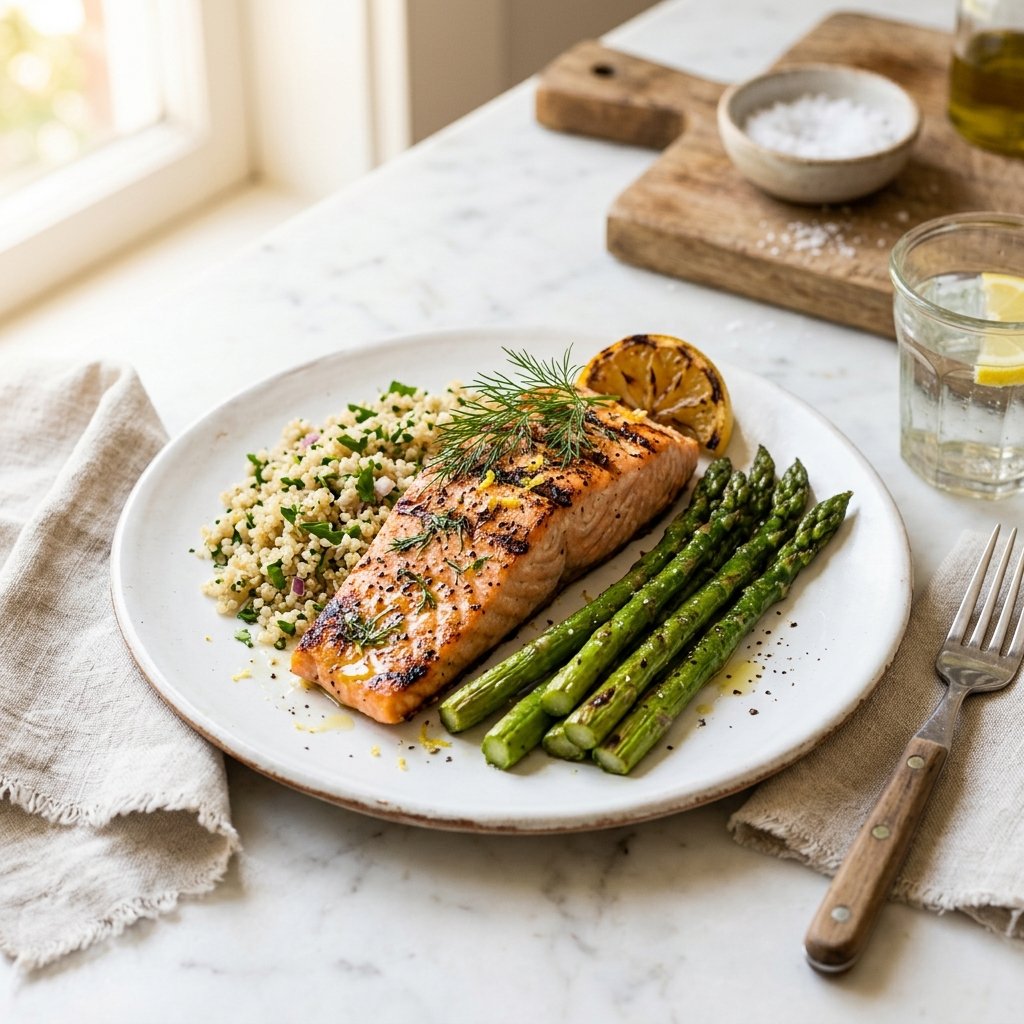
Grilled Salmon with Quinoa and Asparagus (485 calories | 42g protein per serving)
This meal brings together salmon, one of the best protein sources you can eat. The quinoa adds extra protein while the asparagus provides fiber and nutrients. You'll get a complete meal that supports muscle health and keeps you full for hours. This recipe works great for meal prep since you can make it ahead and reheat it throughout the week.
Ingredients
- 6 oz salmon fillet
- 1 cup cooked quinoa
- 8 asparagus spears
- 1 tablespoon olive oil
- 1 teaspoon lemon juice
- 1/2 teaspoon garlic powder
- 1/4 teaspoon black pepper
- 1/4 teaspoon salt
- 1 lemon wedge for serving
Instructions
- Heat your grill or grill pan to medium-high heat, around 400°F.
- Trim the tough ends off the asparagus spears and toss them with half the olive oil, salt, and pepper.
- Brush the salmon with the remaining olive oil and sprinkle with garlic powder, salt, and pepper.
- Place the salmon skin-side down on the grill and cook for 4-5 minutes without moving it.
- Flip the salmon carefully and grill for another 3-4 minutes until it flakes easily with a fork.
- Add the asparagus to the grill during the last 6-8 minutes, turning occasionally until tender and slightly charred.
- While the salmon and asparagus cook, warm your quinoa in the microwave for 1-2 minutes.
- Place the quinoa on your plate and top with the grilled salmon and asparagus.
- Drizzle lemon juice over everything and serve with a lemon wedge.
Swap salmon for arctic char or trout if you want to try a different fish with similar protein content.
Turkey and White Bean Chili
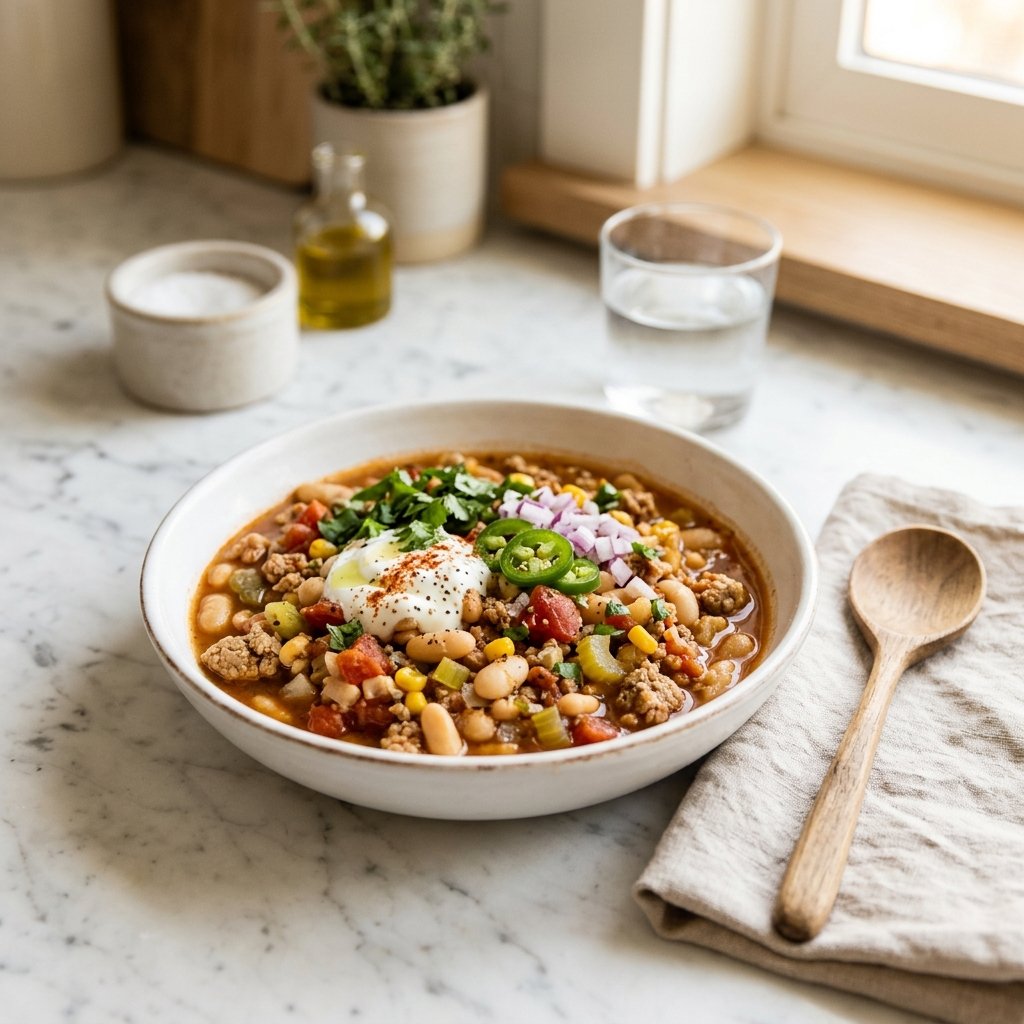
Turkey and White Bean Chili (320 calories | 38g protein per serving)
This hearty chili uses lean ground turkey and white beans to pack in serious protein. You get almost 40 grams of protein per bowl, which helps protect your muscle mass during and after menopause. The white beans add extra fiber and make the dish more filling. This recipe is perfect for meal prep since it tastes even better the next day.
Ingredients
- 1 pound lean ground turkey (93% lean)
- 2 cans (15 ounces each) white beans, drained and rinsed
- 1 medium onion, diced
- 3 cloves garlic, minced
- 1 can (14 ounces) diced green chiles
- 4 cups low-sodium chicken broth
- 1 teaspoon ground cumin
- 1 teaspoon dried oregano
- 1/2 teaspoon chili powder
- 1/4 teaspoon black pepper
- 2 tablespoons olive oil
- 1/4 cup fresh cilantro, chopped
- Juice of 1 lime
Instructions
- Heat olive oil in a large pot over medium-high heat.
- Add the diced onion and cook for 3-4 minutes until softened.
- Add the minced garlic and cook for 30 seconds until fragrant.
- Add the ground turkey and break it up with a spoon, cooking for 6-8 minutes until browned.
- Stir in the cumin, oregano, chili powder, and black pepper.
- Pour in the chicken broth, white beans, and green chiles.
- Bring the mixture to a boil, then reduce heat to low and simmer for 20 minutes.
- Remove from heat and stir in the lime juice and fresh cilantro.
- Serve hot in bowls.
Top with plain Greek yogurt instead of sour cream to add even more protein.
Greek Yogurt Parfait with Walnuts and Berries
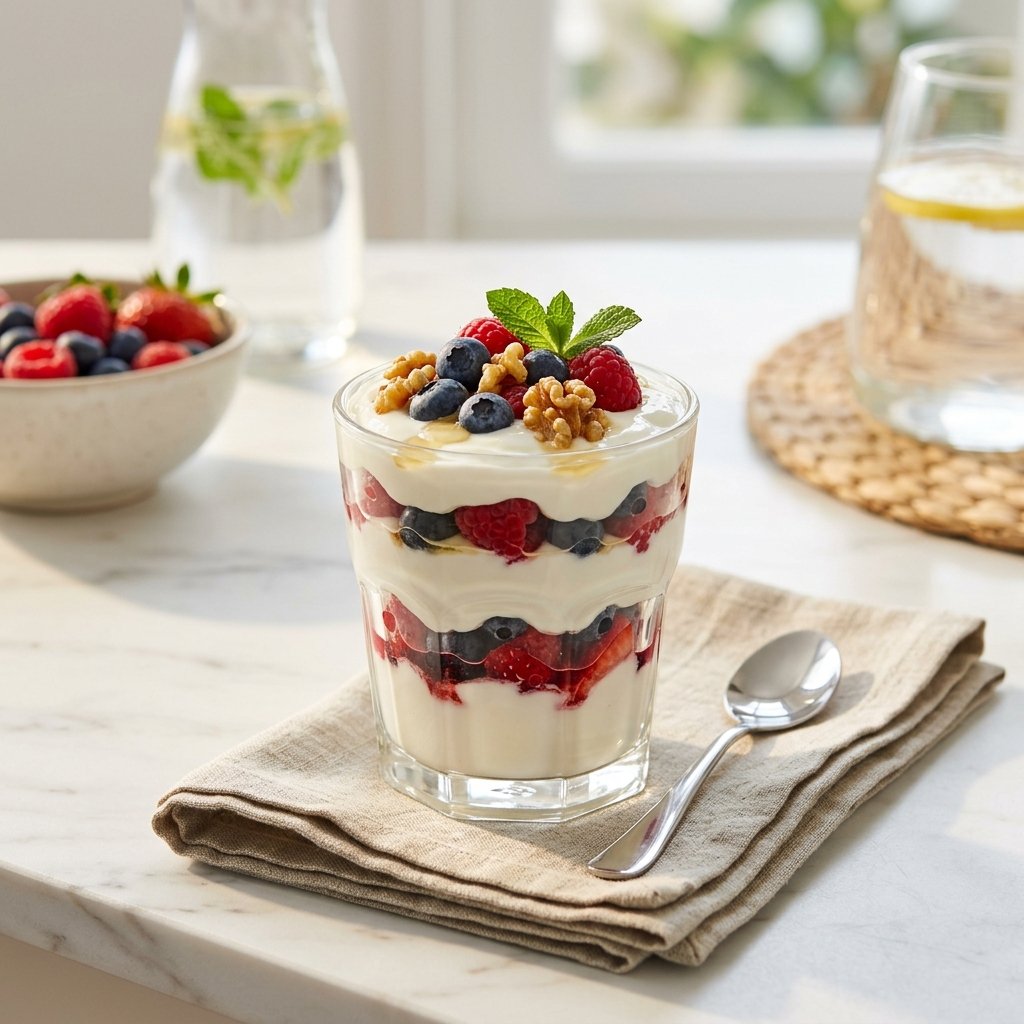
Greek Yogurt Parfait with Walnuts and Berries (320 calories | 24g protein per serving)
This simple parfait delivers a solid protein punch from Greek yogurt while giving you healthy fats from walnuts. You can put it together in just five minutes, making it perfect for busy evenings when you want something nutritious without cooking. The combination of creamy yogurt, crunchy nuts, and sweet berries keeps your taste buds happy while supporting your muscle maintenance goals. This recipe works great as a light dinner or a satisfying dessert that won't derail your nutrition plan.
Ingredients
- 1 cup plain nonfat Greek yogurt
- 1/4 cup chopped walnuts
- 1/2 cup mixed fresh berries (blueberries, strawberries, raspberries)
- 1 tablespoon honey
- 1/4 teaspoon vanilla extract
- 1 tablespoon ground flaxseed
- Pinch of cinnamon
Instructions
- Mix the Greek yogurt with vanilla extract in a bowl until well combined.
- Layer half of the yogurt mixture in a glass or bowl.
- Add half of the berries on top of the yogurt layer.
- Sprinkle half of the walnuts and flaxseed over the berries.
- Repeat the layers with the remaining yogurt, berries, walnuts, and flaxseed.
- Drizzle honey over the top layer.
- Finish with a light sprinkle of cinnamon for extra flavor.
Try swapping walnuts for almonds or pecans if you prefer a different nutty flavor.
Lentil and Spinach Stew with Feta
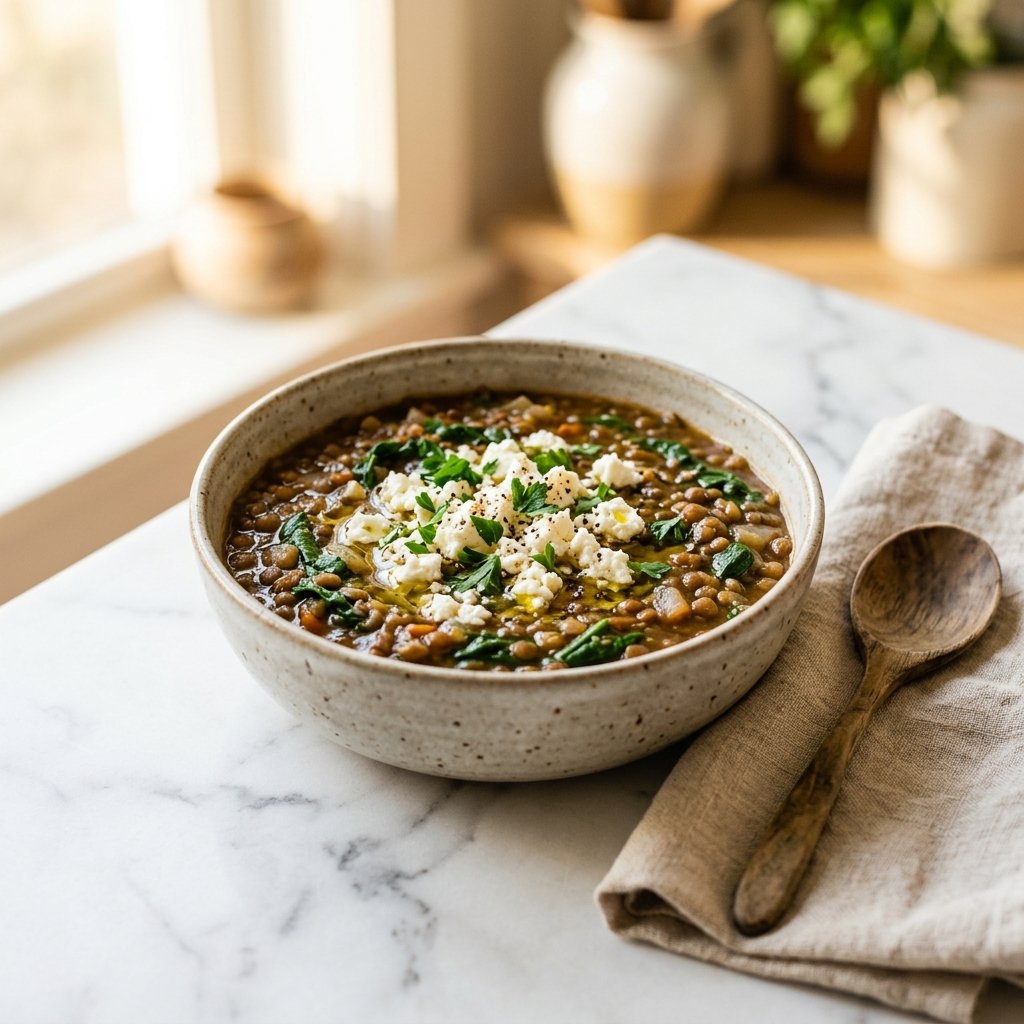
This warm stew delivers 18 grams of protein per serving at just 320 calories. Lentils provide plant-based protein and fiber, while feta cheese adds extra protein and a tangy flavor. It's perfect for meal prep since it stores well in your fridge for up to five days.
Ingredients
- 1 cup dried green or brown lentils
- 4 cups vegetable broth
- 1 tablespoon olive oil
- 1 medium onion, diced
- 3 cloves garlic, minced
- 1 teaspoon ground cumin
- 1/2 teaspoon paprika
- 4 cups fresh spinach
- 1 can (14 oz) diced tomatoes
- 1/2 cup crumbled feta cheese
- Salt and pepper to taste
- Juice of 1 lemon
Instructions
- Rinse the lentils under cold water and drain them well.
- Heat olive oil in a large pot over medium heat and cook the onion for 3-4 minutes until soft.
- Add garlic, cumin, and paprika, then stir for 30 seconds until fragrant.
- Pour in the lentils, vegetable broth, and diced tomatoes with their juice.
- Bring the mixture to a boil, then reduce heat and simmer for 25-30 minutes until lentils are tender.
- Stir in the fresh spinach and cook for 2-3 minutes until wilted.
- Remove from heat and add lemon juice, salt, and pepper.
- Serve in bowls and top each portion with crumbled feta cheese.
Add a dollop of Greek yogurt on top for extra protein and creaminess.
Seared Tofu and Broccoli Stir-Fry with Brown Rice
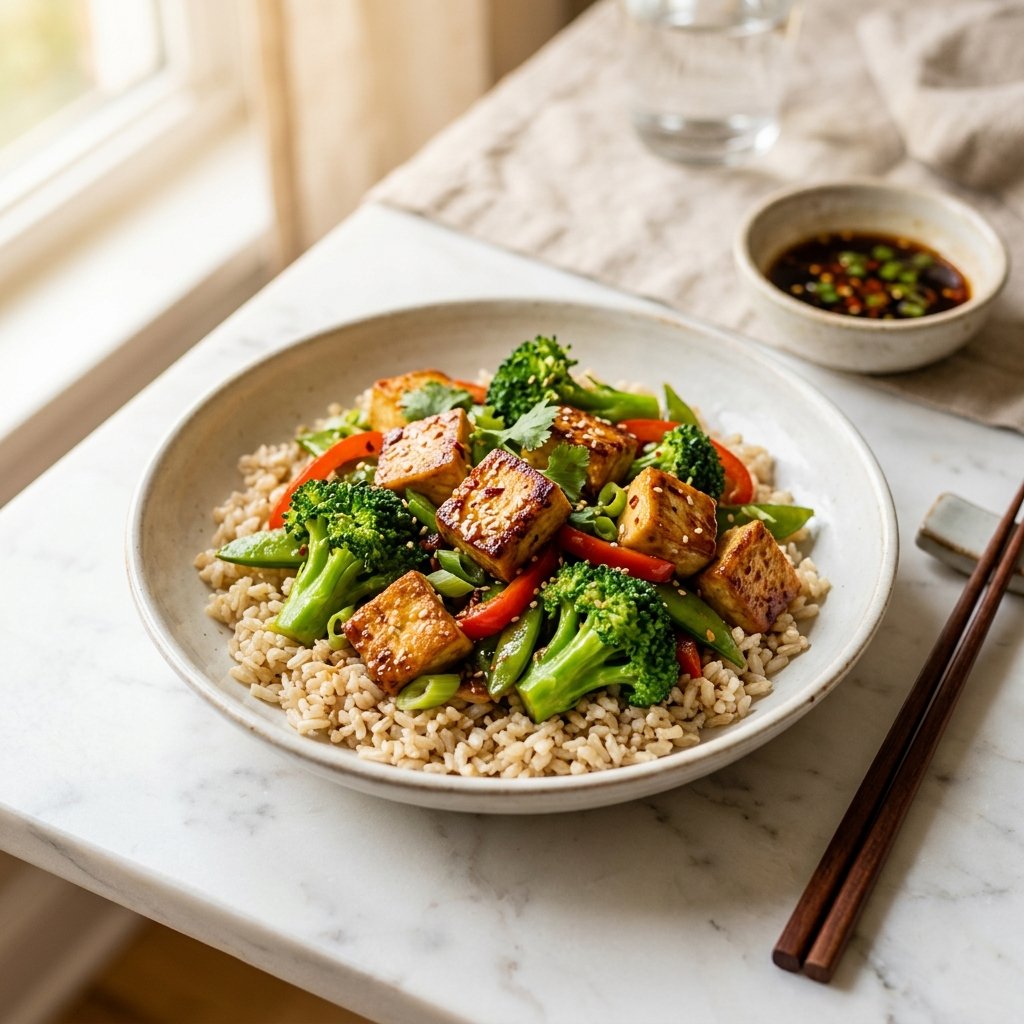
Seared Tofu and Broccoli Stir-Fry with Brown Rice (420 calories | 24g protein per serving)
This tofu stir-fry delivers solid plant-based protein to help you maintain muscle mass. The firm tofu becomes crispy on the outside while staying tender inside. Brown rice adds extra fiber and nutrients compared to white rice. This meal comes together in under 30 minutes, making it perfect for busy weeknights.
Ingredients
- 14 oz firm tofu, pressed and cubed
- 3 cups broccoli florets
- 1 cup cooked brown rice
- 2 tablespoons low-sodium soy sauce
- 1 tablespoon sesame oil
- 2 cloves garlic, minced
- 1 teaspoon fresh ginger, grated
- 1 tablespoon olive oil
- 1 teaspoon sesame seeds
- Salt and pepper to taste
Instructions
- Press the tofu between paper towels for 10 minutes to remove excess water, then cut into 1-inch cubes.
- Heat olive oil in a large skillet over medium-high heat.
- Add tofu cubes to the pan and cook for 3-4 minutes per side until golden brown and crispy.
- Remove tofu from the pan and set aside.
- Add sesame oil to the same pan, then toss in broccoli florets.
- Cook broccoli for 4-5 minutes until bright green and slightly tender.
- Add garlic and ginger to the pan and cook for 30 seconds until fragrant.
- Return the tofu to the pan and pour in the soy sauce.
- Stir everything together and cook for 2 more minutes.
- Serve the stir-fry over brown rice and sprinkle with sesame seeds.
Swap brown rice for quinoa to add even more protein to your meal.
Baked Cod with Lemon-Herb Chickpeas
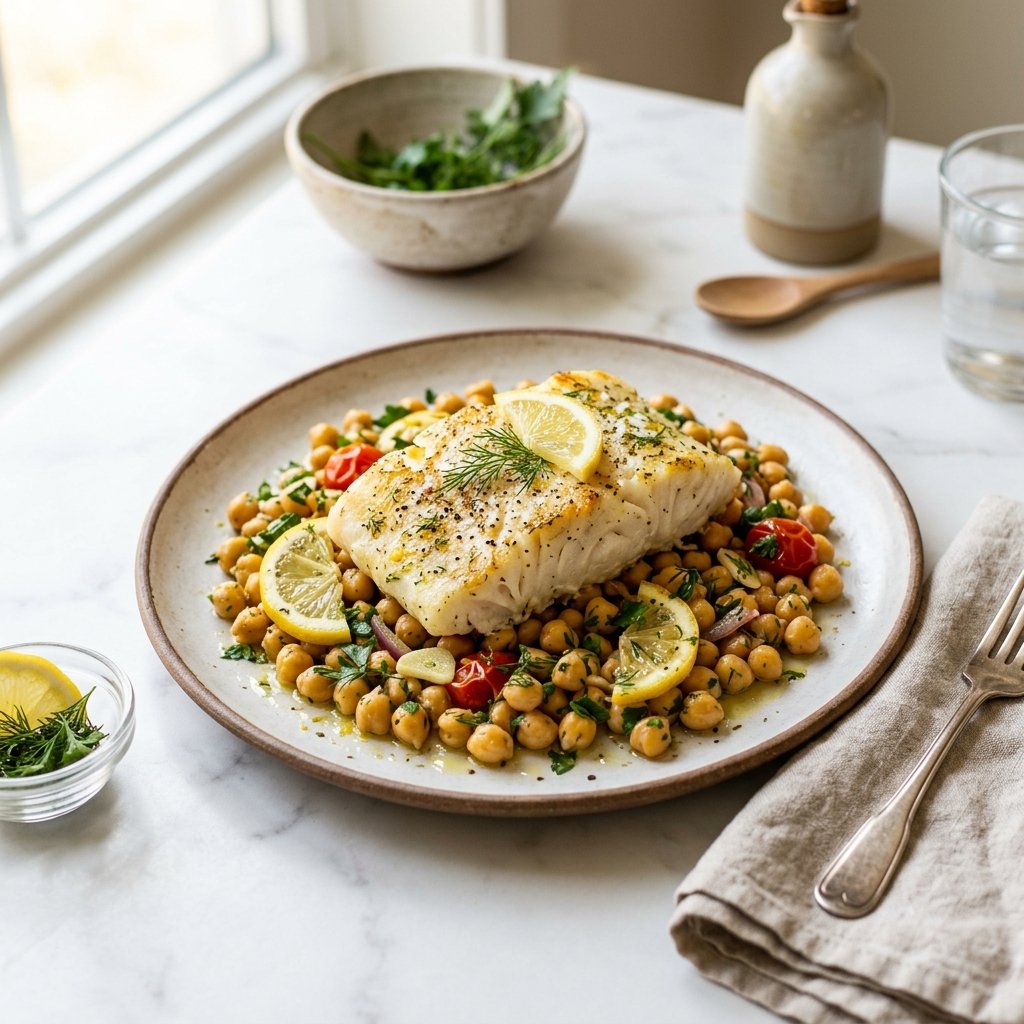
Baked Cod with Lemon-Herb Chickpeas (320 calories | 38g protein per serving)
This simple one-pan dinner combines flaky cod with protein-rich chickpeas for a filling meal. Cod is naturally high in protein and low in fat, making it perfect for muscle maintenance. The chickpeas add fiber and extra protein to keep you satisfied. This recipe takes just 25 minutes from start to finish, which makes it great for busy weeknights.
Ingredients
- 6 oz cod fillet
- 1 cup canned chickpeas, drained and rinsed
- 1 tablespoon olive oil
- 1 lemon, juiced and zested
- 2 cloves garlic, minced
- 1 teaspoon dried oregano
- 1/2 teaspoon dried thyme
- 1/4 teaspoon salt
- 1/4 teaspoon black pepper
- 2 tablespoons fresh parsley, chopped
Instructions
- Preheat your oven to 400°F and lightly grease a baking sheet.
- Pat the cod fillet dry with paper towels and set aside.
- In a bowl, mix chickpeas with half the olive oil, half the lemon juice, garlic, oregano, thyme, salt, and pepper.
- Spread the chickpea mixture on one side of the baking sheet.
- Place the cod fillet on the other side of the sheet and brush it with the remaining olive oil.
- Season the cod with salt and pepper, then drizzle with the remaining lemon juice.
- Bake for 12-15 minutes until the cod flakes easily with a fork and reaches 145°F internally.
- Remove from oven and sprinkle everything with lemon zest and fresh parsley.
Swap cod for salmon or halibut if you prefer a different fish option.
Chicken Breast with Roasted Brussels Sprouts and Sweet Potato
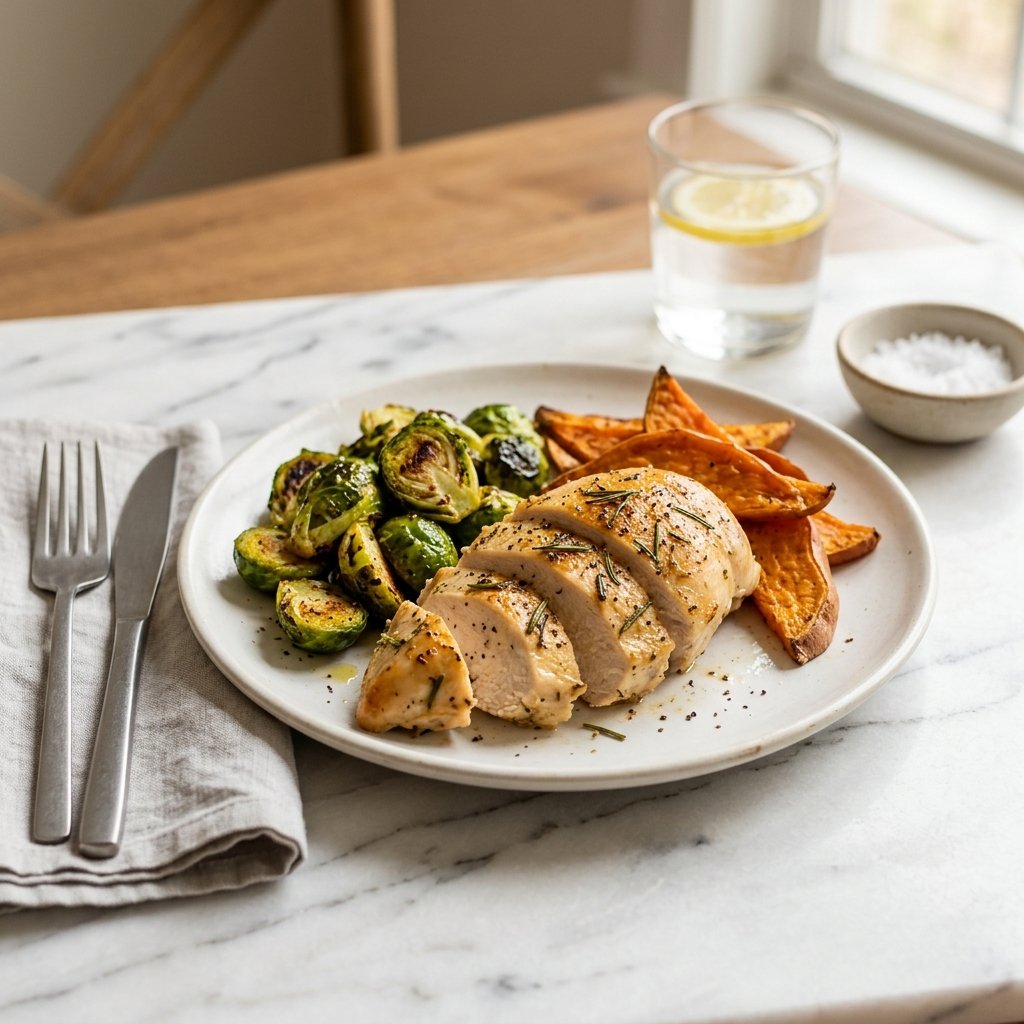
Chicken Breast with Roasted Brussels Sprouts and Sweet Potato (420 calories | 45g protein per serving)
This sheet-pan dinner gives you lean protein from chicken breast plus fiber and vitamins from roasted vegetables. The sweet potato adds healthy carbs to fuel your body, while Brussels sprouts provide vitamin K for bone health. You can prep everything in under 10 minutes and let the oven do the work. It's perfect for busy weeknights when you want something healthy without a lot of cleanup.
Ingredients
- 6 oz boneless, skinless chicken breast
- 1 cup Brussels sprouts, halved
- 1 medium sweet potato, cubed (about 1 cup)
- 1 tablespoon olive oil
- 1/2 teaspoon garlic powder
- 1/2 teaspoon paprika
- 1/4 teaspoon salt
- 1/4 teaspoon black pepper
- Fresh lemon wedge (optional)
Instructions
- Preheat your oven to 425°F and line a baking sheet with parchment paper.
- Place the cubed sweet potato and halved Brussels sprouts on one side of the baking sheet.
- Drizzle the vegetables with half the olive oil and season with half the salt and pepper, then toss to coat.
- Place the chicken breast on the other side of the baking sheet and brush with remaining olive oil.
- Season the chicken with garlic powder, paprika, and remaining salt and pepper.
- Roast everything for 25-30 minutes until the chicken reaches 165°F and vegetables are tender and slightly browned.
- Let the chicken rest for 5 minutes before slicing.
- Squeeze fresh lemon over everything before serving if desired.
Swap Brussels sprouts for broccoli or green beans if you prefer different vegetables.
Shrimp and Avocado Salad with Edamame
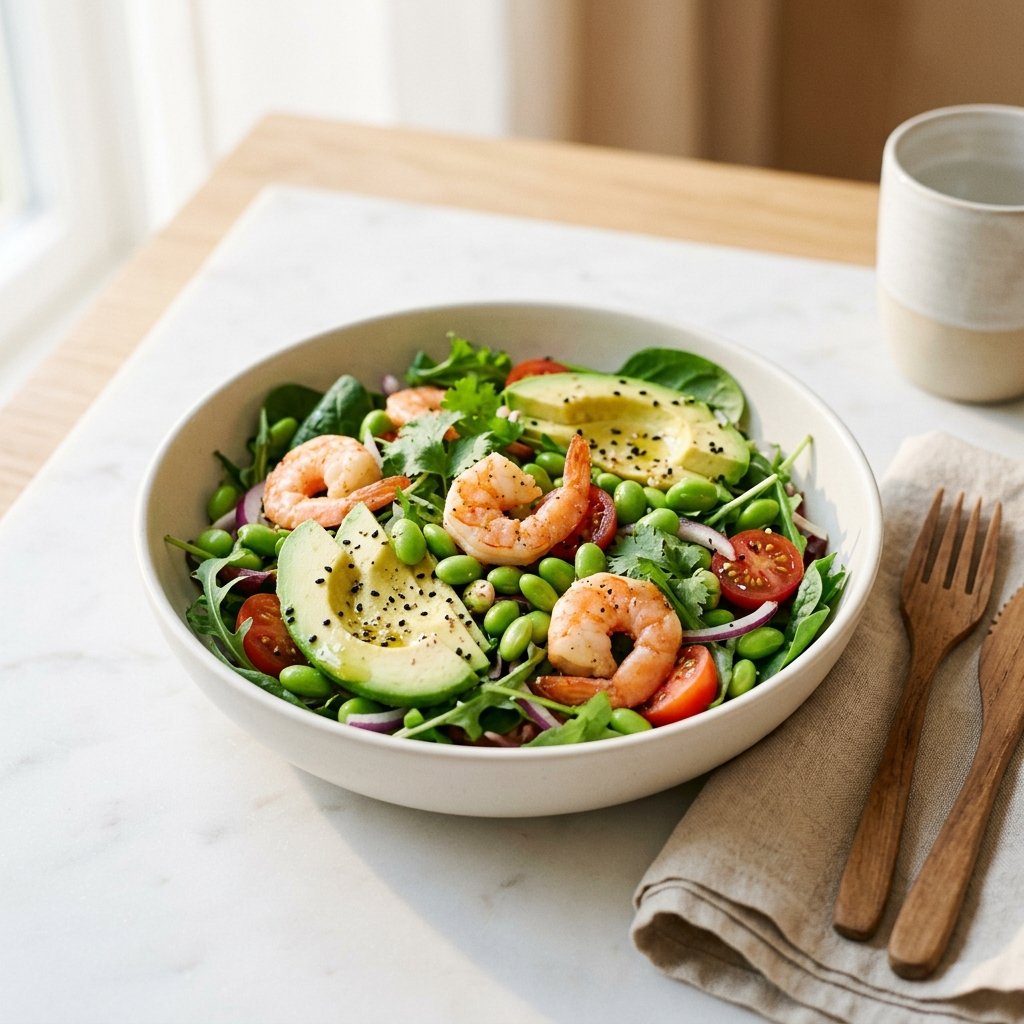
Shrimp and Avocado Salad with Edamame (320 calories | 28g protein per serving)
This refreshing salad combines lean shrimp with creamy avocado and protein-rich edamame for a satisfying meal. You'll get nearly 30 grams of protein per serving, which helps protect your muscles as you age. The healthy fats from avocado also help your body absorb important vitamins.
This recipe takes just 15 minutes to make and requires no cooking if you buy pre-cooked shrimp. It's perfect for warm summer evenings when you don't want to turn on the stove.
Ingredients
- 6 ounces cooked shrimp, peeled and deveined
- 1 cup shelled edamame, cooked
- 1 medium avocado, diced
- 2 cups mixed salad greens
- 1/4 cup cherry tomatoes, halved
- 2 tablespoons olive oil
- 1 tablespoon fresh lemon juice
- 1 teaspoon Dijon mustard
- 1/4 teaspoon garlic powder
- Salt and pepper to taste
- 1 tablespoon sesame seeds
Instructions
- If your edamame is frozen, cook it according to package directions and let it cool.
- Whisk together the olive oil, lemon juice, Dijon mustard, garlic powder, salt, and pepper in a small bowl.
- Place the salad greens in a large bowl or on a serving plate.
- Top the greens with shrimp, edamame, diced avocado, and cherry tomatoes.
- Drizzle the dressing over the salad and toss gently to combine.
- Sprinkle sesame seeds on top before serving.
You can swap the shrimp for grilled chicken breast or canned tuna if you prefer.
Beef and Vegetable Skillet with Cauliflower Mash
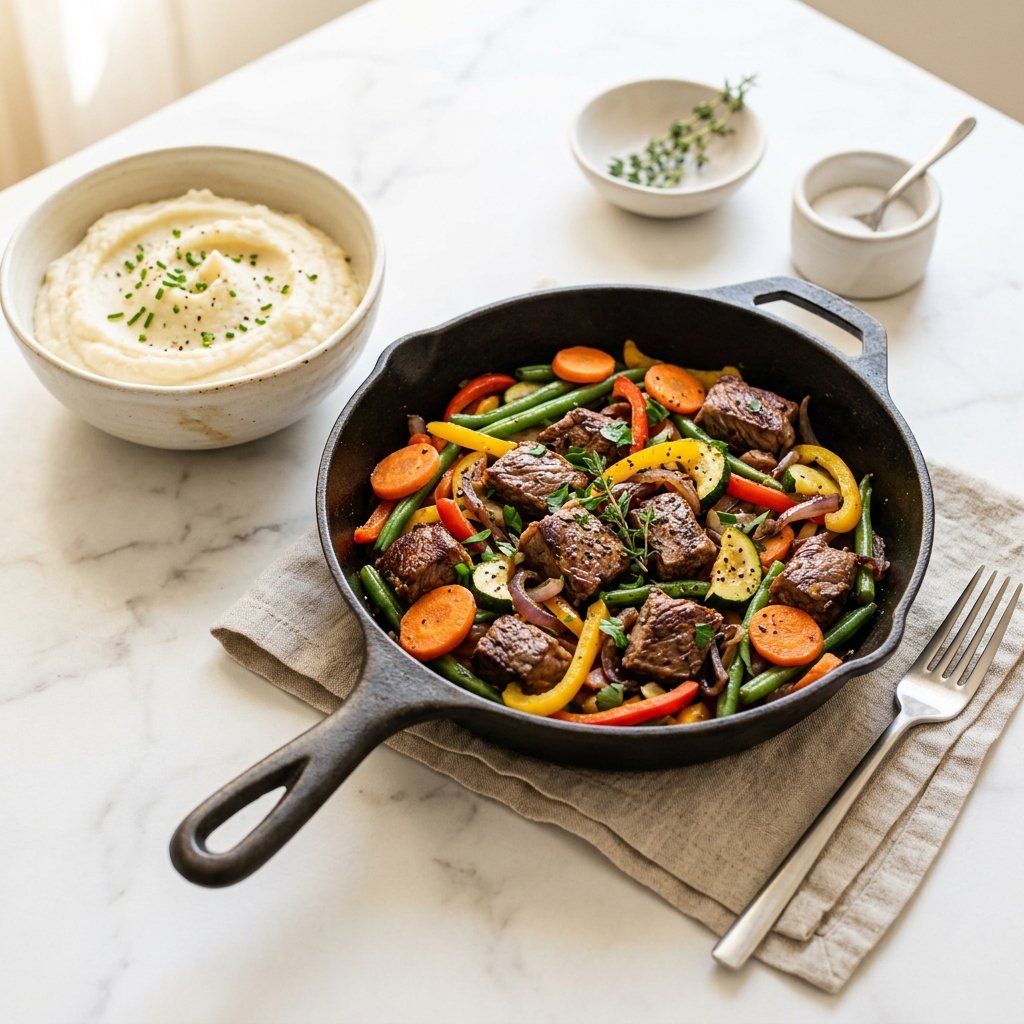
Beef and Vegetable Skillet with Cauliflower Mash (420 calories | 38g protein per serving)
This hearty dinner combines lean ground beef with colorful vegetables and creamy cauliflower mash. You'll get plenty of protein from the beef to help maintain your muscle mass. The cauliflower mash gives you a lower-carb alternative to regular mashed potatoes while adding fiber and vitamins. This recipe works great for meal prep since you can make it ahead and reheat it throughout the week.
Ingredients
- 1 pound lean ground beef (90% lean)
- 1 medium head cauliflower, cut into florets
- 1 cup bell peppers, diced
- 1 cup zucchini, diced
- 1/2 cup onion, diced
- 2 cloves garlic, minced
- 2 tablespoons olive oil
- 1/4 cup low-fat milk
- 2 tablespoons butter
- 1 teaspoon Italian seasoning
- Salt and pepper to taste
Instructions
- Bring a large pot of water to a boil and add the cauliflower florets. Cook for 10-12 minutes until very tender, then drain well.
- While the cauliflower cooks, heat 1 tablespoon of olive oil in a large skillet over medium-high heat. Add the ground beef and cook for 6-8 minutes, breaking it apart with a spoon until browned.
- Remove the cooked beef from the skillet and set it aside. Add the remaining olive oil to the same skillet.
- Add the onion, bell peppers, and zucchini to the skillet. Cook for 5-6 minutes until the vegetables are tender.
- Add the garlic and Italian seasoning to the vegetables and cook for 1 minute more. Return the beef to the skillet and stir everything together.
- Mash the drained cauliflower with butter and milk until smooth and creamy. Season with salt and pepper.
- Serve the beef and vegetable mixture over the cauliflower mash.
Swap the ground beef for ground turkey or chicken if you prefer poultry.
Cottage Cheese and Cucumber Open-Faced Sandwich
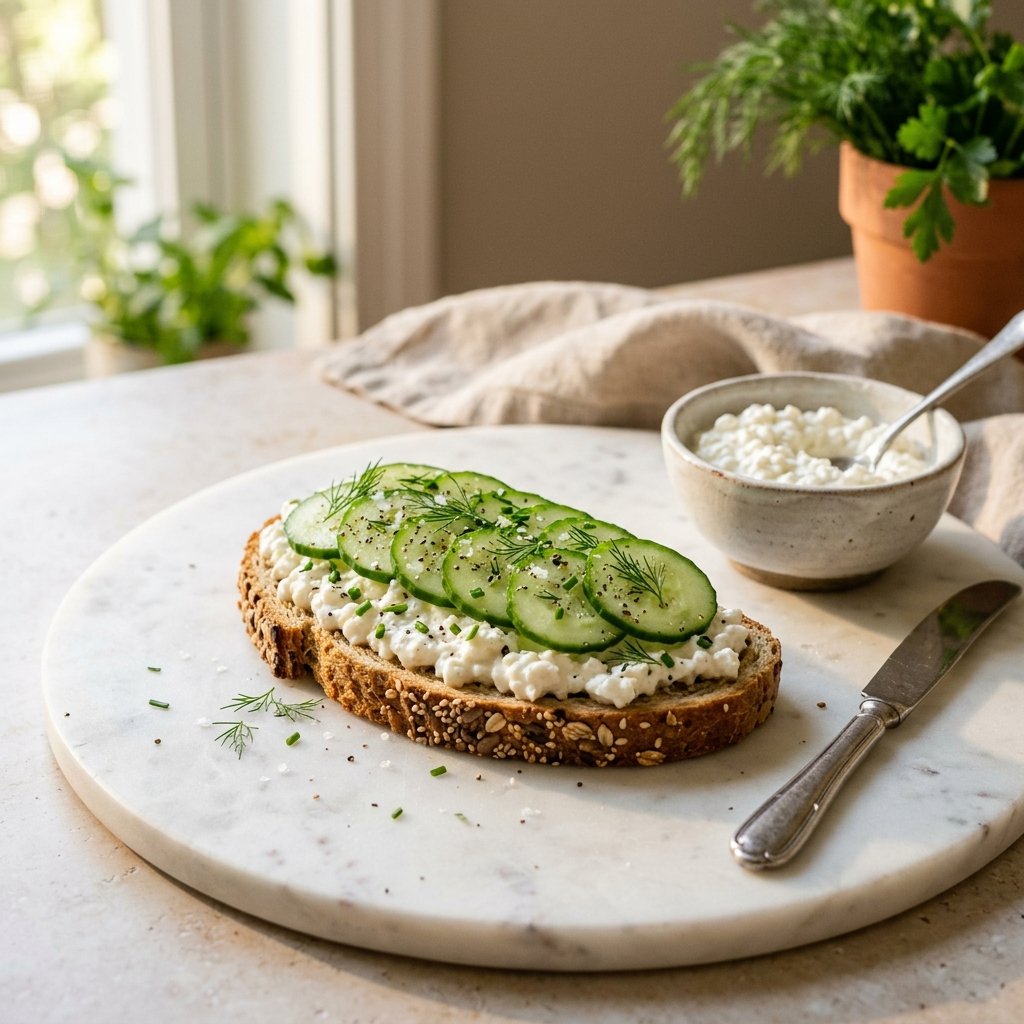
Cottage Cheese and Cucumber Open-Faced Sandwich (280 calories | 24g protein per serving)
This simple open-faced sandwich uses cottage cheese as its main protein source to help you meet your daily needs. It's perfect for a quick lunch or light dinner when you don't want to spend much time cooking. The creamy cottage cheese paired with crisp cucumber creates a refreshing meal that's easy to digest and light on your stomach.
Ingredients
- 2 slices whole grain bread
- 1 cup low-fat cottage cheese
- 1 medium cucumber, thinly sliced
- 1 tablespoon fresh dill, chopped
- 1 teaspoon lemon juice
- 1/4 teaspoon garlic powder
- Salt and pepper to taste
- 1 tablespoon olive oil
Instructions
- Toast the bread slices in a toaster or toaster oven until golden brown and crispy.
- Mix the cottage cheese with lemon juice, garlic powder, and fresh dill in a small bowl.
- Spread half of the cottage cheese mixture evenly on each toasted bread slice.
- Arrange the cucumber slices on top of the cottage cheese in a single layer or slightly overlapping.
- Drizzle the olive oil over the cucumbers and season with salt and pepper.
- Serve immediately while the bread is still warm and crispy.
Swap cucumbers for sliced tomatoes or radishes if you want to change up the flavor and texture.
Pan-Seared Tempeh with Kale and Farro
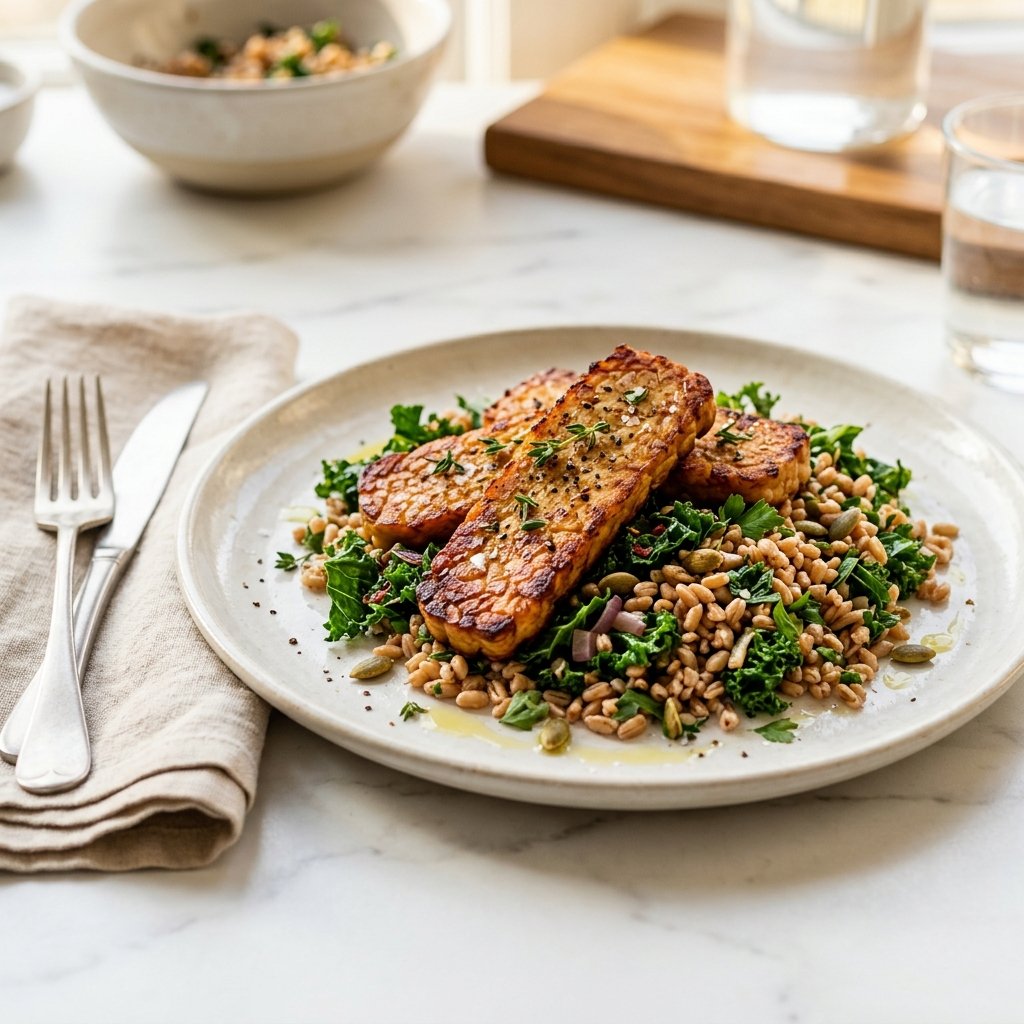
Pan-Seared Tempeh with Kale and Farro (420 calories | 28g protein per serving)
This hearty bowl combines nutty tempeh with fiber-rich farro and nutrient-packed kale. Tempeh is a fermented soy product that delivers complete protein along with probiotics for gut health. The crispy pan-seared texture makes this plant-based dinner satisfying and flavorful. This recipe works well for meal prep since all the components store nicely in the fridge for up to four days.
Ingredients
- 8 oz tempeh, sliced into strips
- 1 cup uncooked farro
- 3 cups vegetable broth
- 4 cups chopped kale, stems removed
- 2 tablespoons olive oil, divided
- 3 cloves garlic, minced
- 2 tablespoons soy sauce or tamari
- 1 tablespoon balsamic vinegar
- 1/2 teaspoon smoked paprika
- 1/4 teaspoon black pepper
- 1/4 cup toasted sunflower seeds
Instructions
- Cook the farro in vegetable broth according to package directions, usually about 25-30 minutes until tender.
- While the farro cooks, heat 1 tablespoon olive oil in a large skillet over medium-high heat.
- Add tempeh strips to the skillet and cook for 3-4 minutes per side until golden brown and crispy.
- Remove tempeh from the pan and set aside on a plate.
- Add the remaining tablespoon of olive oil to the same skillet and add minced garlic.
- Cook garlic for 30 seconds until fragrant, then add the chopped kale.
- Sauté kale for 4-5 minutes until wilted and tender.
- Stir in soy sauce, balsamic vinegar, smoked paprika, and black pepper.
- Drain any excess liquid from the cooked farro and divide it between two bowls.
- Top each bowl with sautéed kale and sliced tempeh, then sprinkle with sunflower seeds.
Try marinating the tempeh in the soy sauce and balsamic vinegar for 15 minutes before cooking for even deeper flavor.
Stuffed Bell Peppers with Ground Turkey and Black Beans
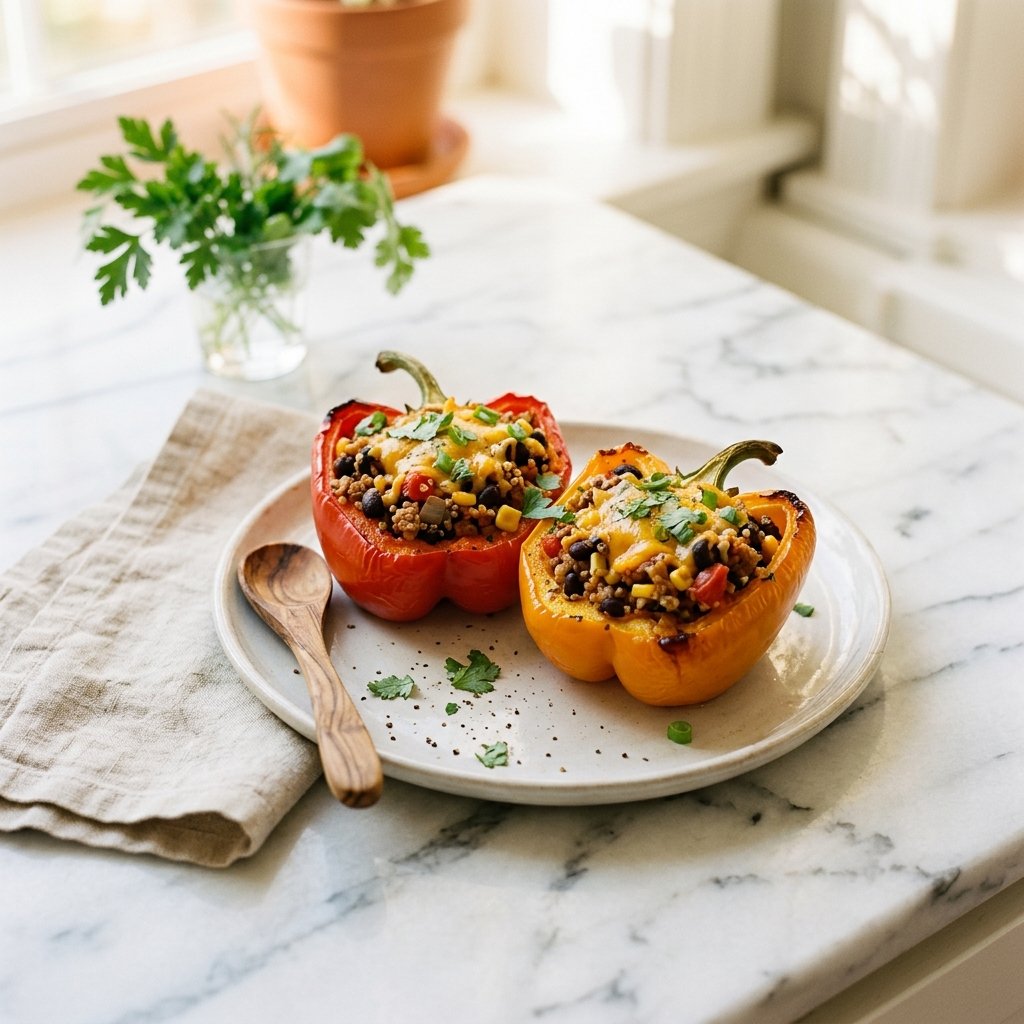
Stuffed Bell Peppers with Ground Turkey and Black Beans (320 calories | 28g protein per serving)
This colorful dinner combines lean ground turkey with fiber-rich black beans for a satisfying protein boost. Each stuffed pepper delivers nearly 30 grams of protein to help maintain muscle mass. The recipe works great for meal prep since you can make multiple peppers at once and reheat them throughout the week.
Ingredients
- 4 large bell peppers (any color)
- 1 pound lean ground turkey (93% lean)
- 1 can (15 oz) black beans, drained and rinsed
- 1 cup cooked brown rice
- 1 cup diced tomatoes
- 1/2 cup diced onion
- 2 cloves garlic, minced
- 1 teaspoon cumin
- 1 teaspoon chili powder
- 1/2 teaspoon salt
- 1/4 teaspoon black pepper
- 1/2 cup shredded low-fat cheese
- 2 tablespoons olive oil
Instructions
- Preheat your oven to 375°F and cut the tops off the bell peppers, removing all seeds and membranes.
- Heat olive oil in a large skillet over medium heat and cook the onion for 3 minutes until soft.
- Add the garlic and ground turkey to the skillet, breaking up the meat with a spoon as it cooks for 6-8 minutes until browned.
- Stir in the black beans, cooked rice, diced tomatoes, cumin, chili powder, salt, and pepper.
- Cook the mixture for 3-4 minutes until everything is heated through and well combined.
- Stand the peppers upright in a baking dish and fill each one with the turkey and bean mixture.
- Cover the dish with foil and bake for 30 minutes.
- Remove the foil, sprinkle cheese on top of each pepper, and bake uncovered for 10 more minutes until the cheese melts.
Try using quinoa instead of brown rice for even more protein per serving.
Why Protein Matters More After 50
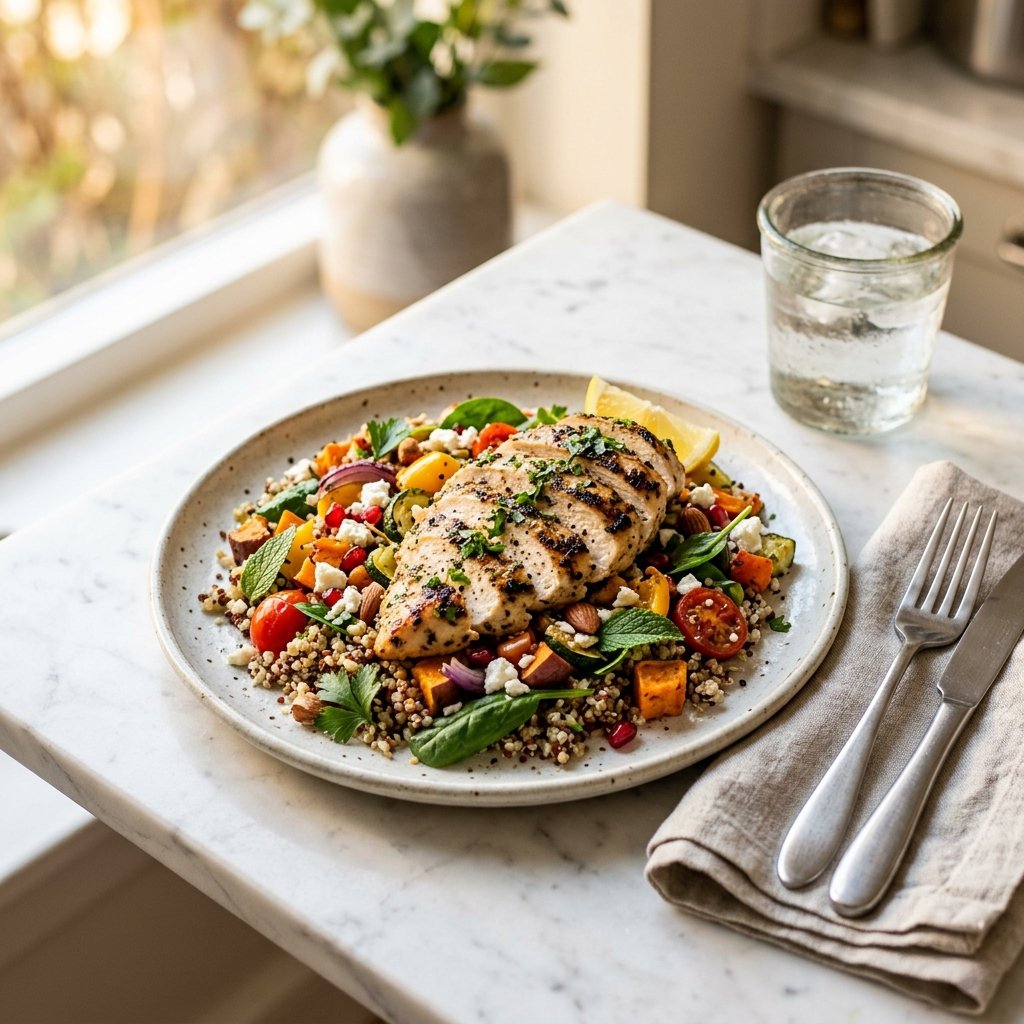
Women over 50 need more protein to fight muscle loss that speeds up after menopause. Your body also becomes less efficient at using protein to build and repair muscle tissue.
Changes in Muscle Mass with Age
Your body naturally loses muscle mass as you age, a process called sarcopenia. After age 50, women can lose 1-2% of their muscle mass each year if they don't take action.
Menopause makes this worse because lower estrogen levels speed up muscle breakdown. The hormonal shift also makes it harder for your body to build new muscle from the protein you eat.
Less muscle means a slower metabolism, weaker bones, and higher risk of falls. You might notice everyday tasks like carrying groceries or climbing stairs become more challenging.
Key muscle loss facts:
- Most women lose 30% of muscle strength between ages 50-70
- Muscle burns more calories than fat, even when resting
- Lost muscle gets replaced by fat if you don't intervene
Role of Protein in Recovery and Daily Activity
Your body needs protein to repair muscle tissue after any physical activity, from walking to strength training. After 50, your muscles need more protein than before to trigger the same repair response.
Research shows women over 50 should eat 25-30 grams of protein per meal instead of the standard 15-20 grams. This higher amount helps overcome age-related resistance to muscle building.
Protein also helps you recover faster from exercise and reduces muscle soreness. You'll maintain your independence longer when your muscles stay strong enough for daily tasks.
Spreading protein throughout the day works better than eating most of it at dinner. Your muscles can only use about 25-30 grams at once, so three protein-rich meals beat one large serving.
Optimizing Nutrition for Postmenopausal Health
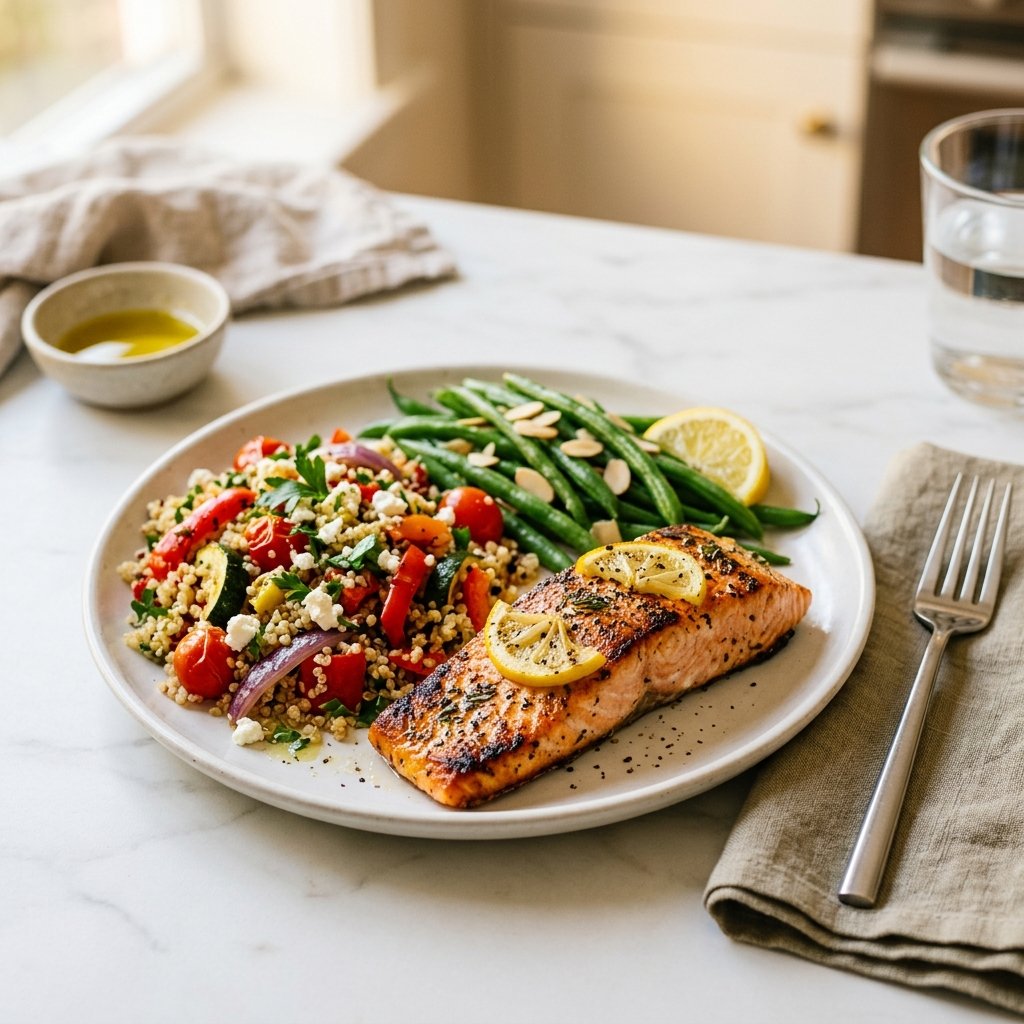
Women over 50 need more protein to fight muscle loss and more calcium to protect bones. Getting the right balance of nutrients helps maintain energy levels and supports overall health during this stage of life.
Balancing Macronutrients for Energy
Your body needs different amounts of protein, carbs, and fats after menopause. Protein should make up about 25-30% of your daily calories to help preserve muscle mass.
Aim for at least 25-30 grams of protein at each meal. This amount helps your body build and maintain muscle tissue effectively. Spreading protein throughout the day works better than eating most of it at dinner.
Healthy fats support hormone production and help you absorb vitamins. Include sources like olive oil, avocados, and fatty fish in your meals. These fats also keep you feeling full longer.
Carbohydrates give you energy for daily activities and exercise. Choose whole grains, fruits, and vegetables over processed options. These foods provide fiber along with steady energy that won't cause blood sugar spikes.
Supporting Bone Health with Protein-Rich Foods
Protein works with calcium to keep your bones strong after menopause. Foods like Greek yogurt, cottage cheese, and salmon provide both nutrients in one serving.
Your bones need about 1,200 mg of calcium daily after age 50. High-protein dairy foods deliver calcium plus the protein your muscles need. One cup of Greek yogurt offers about 20 grams of protein and 200 mg of calcium.
Leafy greens paired with protein sources create powerful bone-building meals. Sardines with their edible bones provide extra calcium. Tofu made with calcium sulfate offers a plant-based option with both nutrients.
Vitamin D helps your body use calcium properly. Fatty fish like salmon and mackerel give you protein, calcium, and vitamin D together. Eating these foods regularly supports both muscle and bone health as you age.