12 High Protein Vegan Recipes for Elderly with Digestive Issues That Are Gentle on the Stomach and Easy to Digest

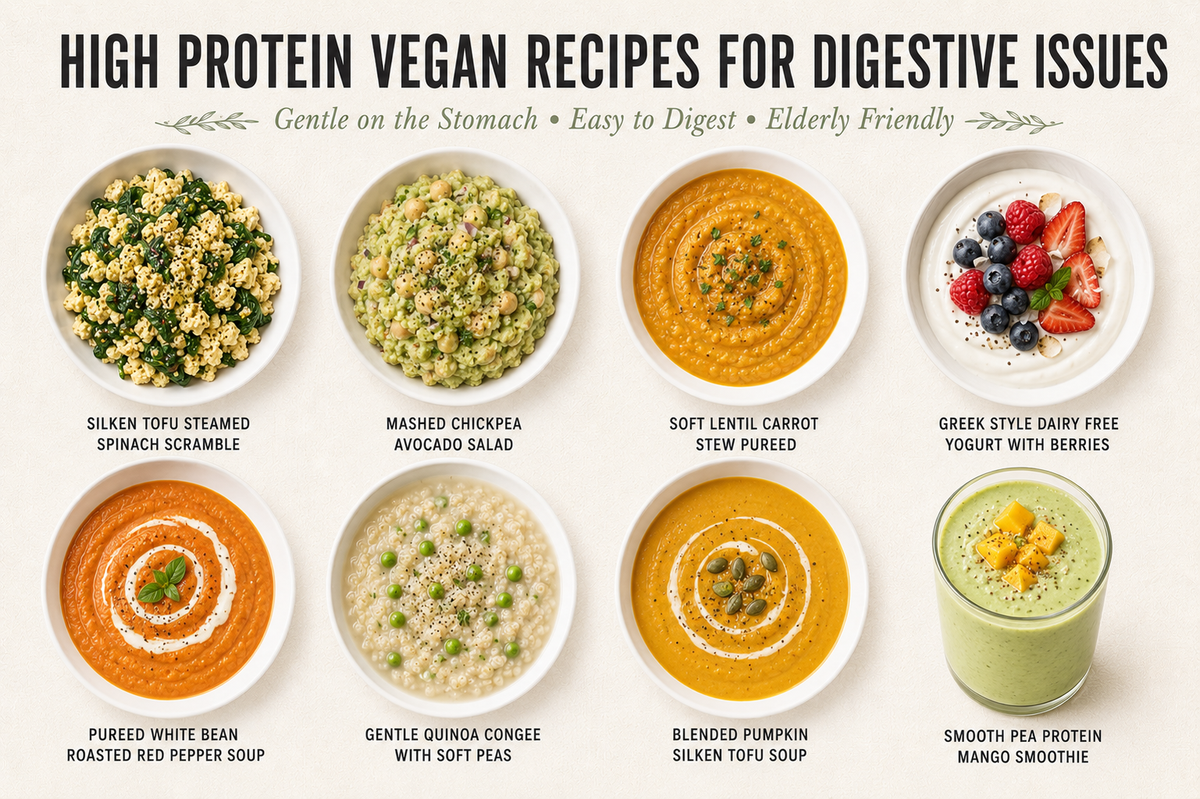
Getting enough protein matters at every age, but it becomes even more important as you get older. Your body needs protein to maintain muscle, support healing, and keep your immune system strong. When you combine a vegan diet with digestive sensitivities, finding meals that are both gentle on your stomach and rich in protein can feel challenging.
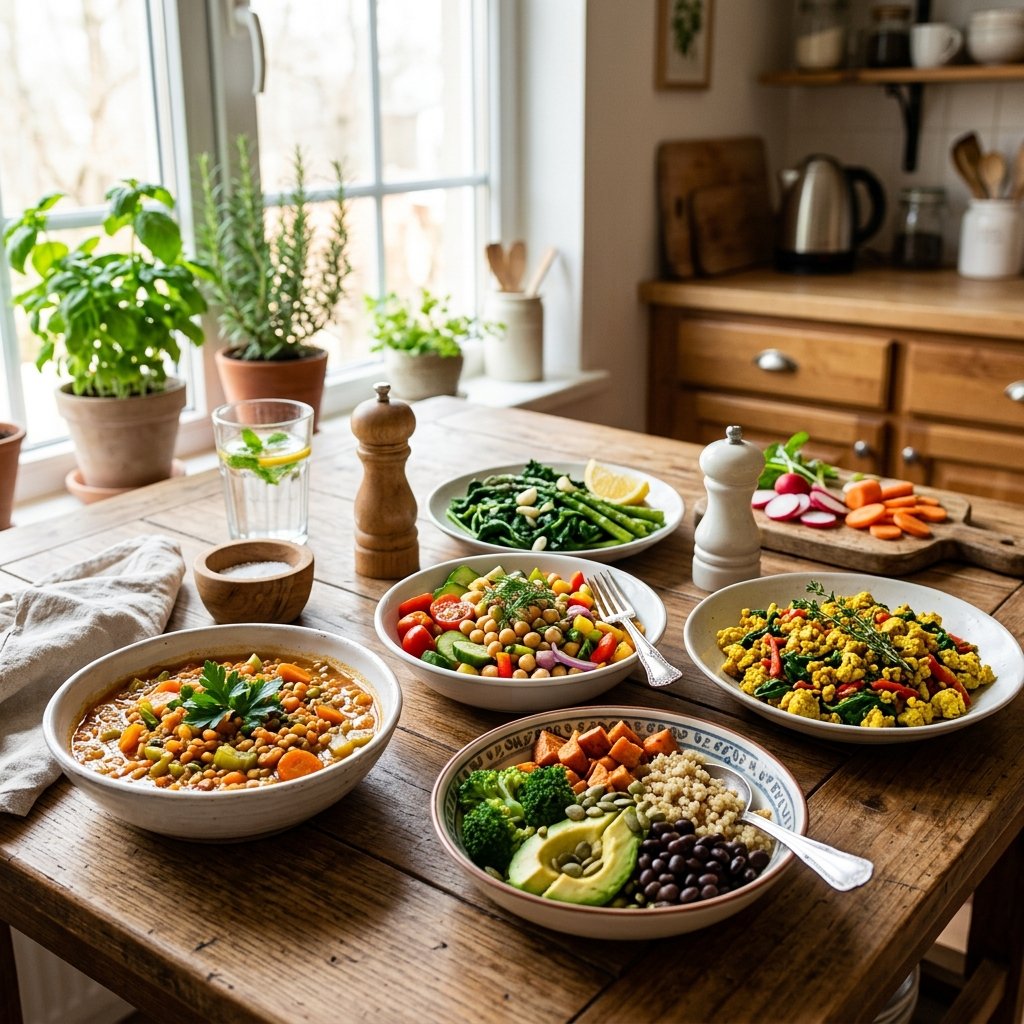
This collection of recipes focuses on plant-based proteins that are easy to digest while meeting your nutritional needs. Each dish uses ingredients that are soft, well-cooked, or blended to reduce strain on your digestive system. You'll find options like creamy soups, tender scrambles, smooth porridges, and gentle stews that deliver the protein your body needs without causing discomfort.
These recipes also address common digestive concerns many older adults face. You'll learn how to prepare proteins in ways that are kinder to your gut while still being flavorful and satisfying.
Silken tofu and steamed spinach scramble
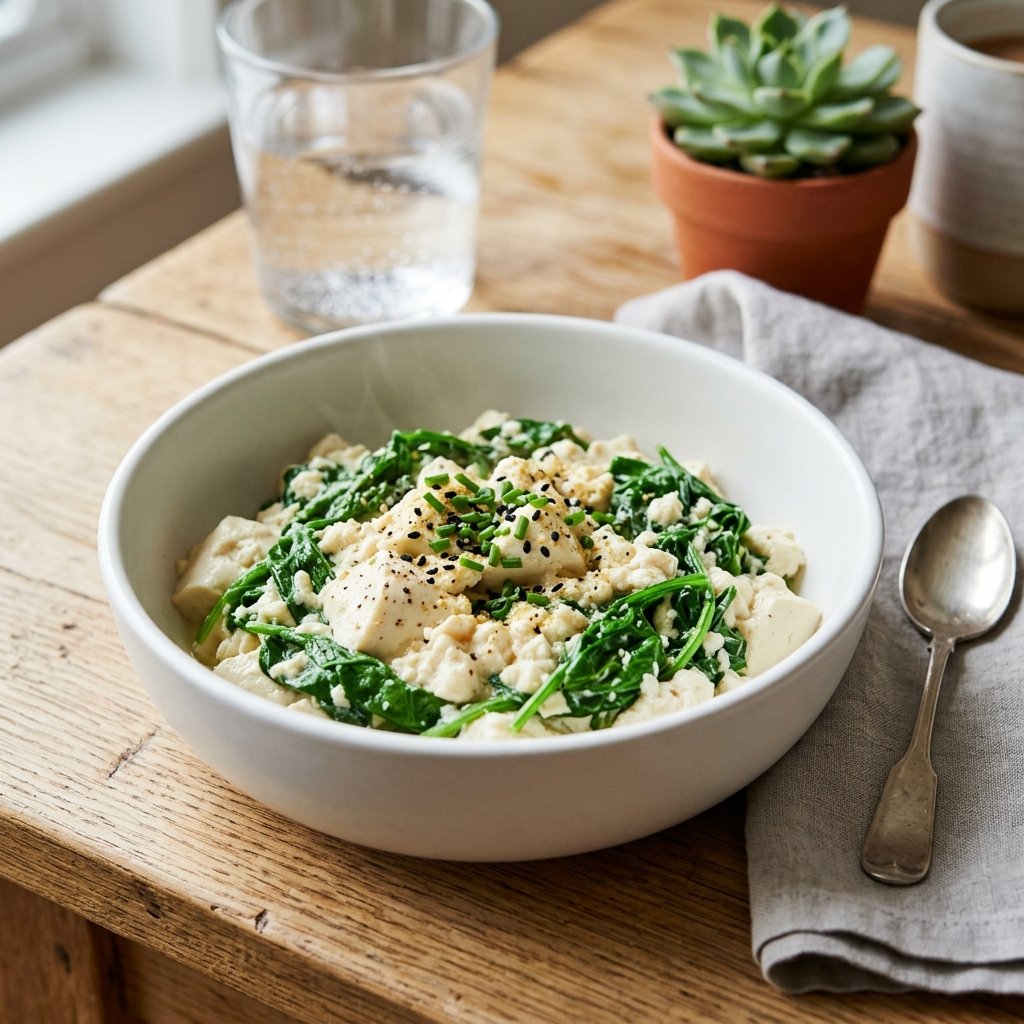
Silken tofu is a smooth protein source that's easy on your digestive system. This scramble gives you about 180 calories and 14g of protein per serving. The soft texture makes it perfect if you have trouble chewing or swallowing.
Ingredients
- 8 oz silken tofu
- 2 cups fresh spinach
- 1 tablespoon nutritional yeast
- 1/4 teaspoon turmeric powder
- 1/8 teaspoon garlic powder
- 1 tablespoon olive oil
- 1/4 teaspoon salt
- 2 tablespoons water
Instructions
- Steam the spinach in a pot with 2 tablespoons of water for 2-3 minutes until wilted. Drain any extra water and set the spinach aside.
- Heat the olive oil in a non-stick pan over medium-low heat.
- Drain the silken tofu gently and add it to the pan. Use a wooden spoon to break it into small, soft pieces.
- Add the turmeric, garlic powder, nutritional yeast, and salt to the tofu. Stir gently to coat the tofu pieces.
- Cook for 3-4 minutes, stirring occasionally. The tofu should be warm but still soft.
- Add the steamed spinach to the pan and mix it with the tofu. Cook for another minute to warm everything through.
- Remove from heat and let it cool for a minute before serving.
Add a pinch of black pepper or swap spinach for kale if you want a different flavor.
Mashed chickpea and avocado salad (low-fiber chickpea option)
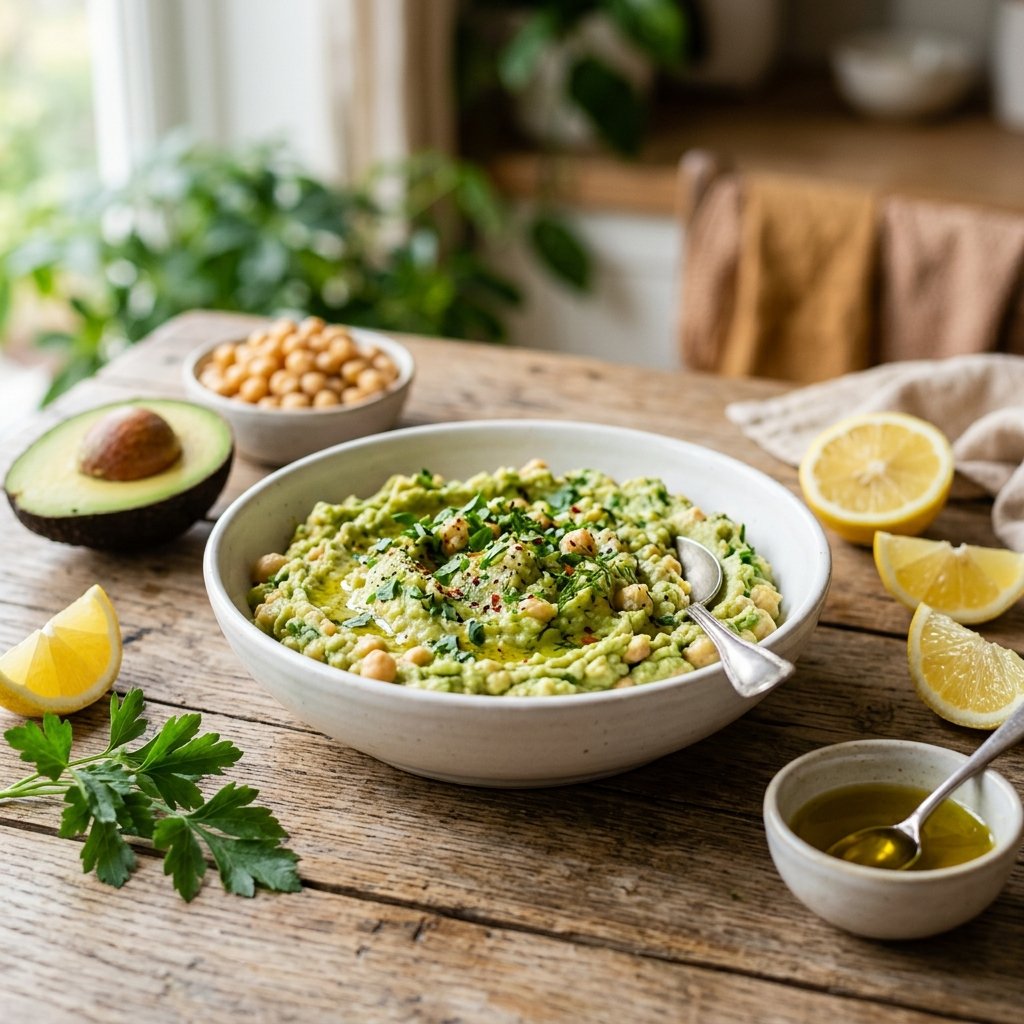
Mashed chickpea and avocado salad (low-fiber chickpea option) (280 calories | 12g protein per serving)
This creamy salad combines mashed chickpeas with ripe avocado to create a smooth, easy-to-digest meal. Using peeled chickpeas reduces the fiber content, making it gentler on your digestive system. The healthy fats from avocado help your body absorb nutrients better while adding a rich, buttery texture. This recipe works great as a light lunch or as a spread on soft bread.
Ingredients
- 1 cup canned chickpeas, peeled
- 1 ripe avocado
- 2 tablespoons lemon juice
- 1 tablespoon olive oil
- 1/4 teaspoon salt
- 1/8 teaspoon black pepper
- 2 tablespoons fresh dill, chopped (optional)
- 1/4 cup cucumber, finely diced and peeled
Instructions
- Drain and rinse the canned chickpeas, then gently rub them between your fingers to remove the outer skins.
- Place the peeled chickpeas in a medium bowl and mash them with a fork until you reach your desired consistency.
- Cut the avocado in half, remove the pit, and scoop the flesh into the bowl with the chickpeas.
- Add lemon juice, olive oil, salt, and pepper to the bowl.
- Mash everything together until well combined and creamy, leaving some small chunks if you prefer.
- Stir in the chopped dill and diced cucumber.
- Taste and adjust the seasoning with more salt or lemon juice if needed.
Serve this salad chilled on soft white bread or eat it with a spoon as a protein-rich snack.
Soft lentil and carrot stew (well-cooked, pureed)
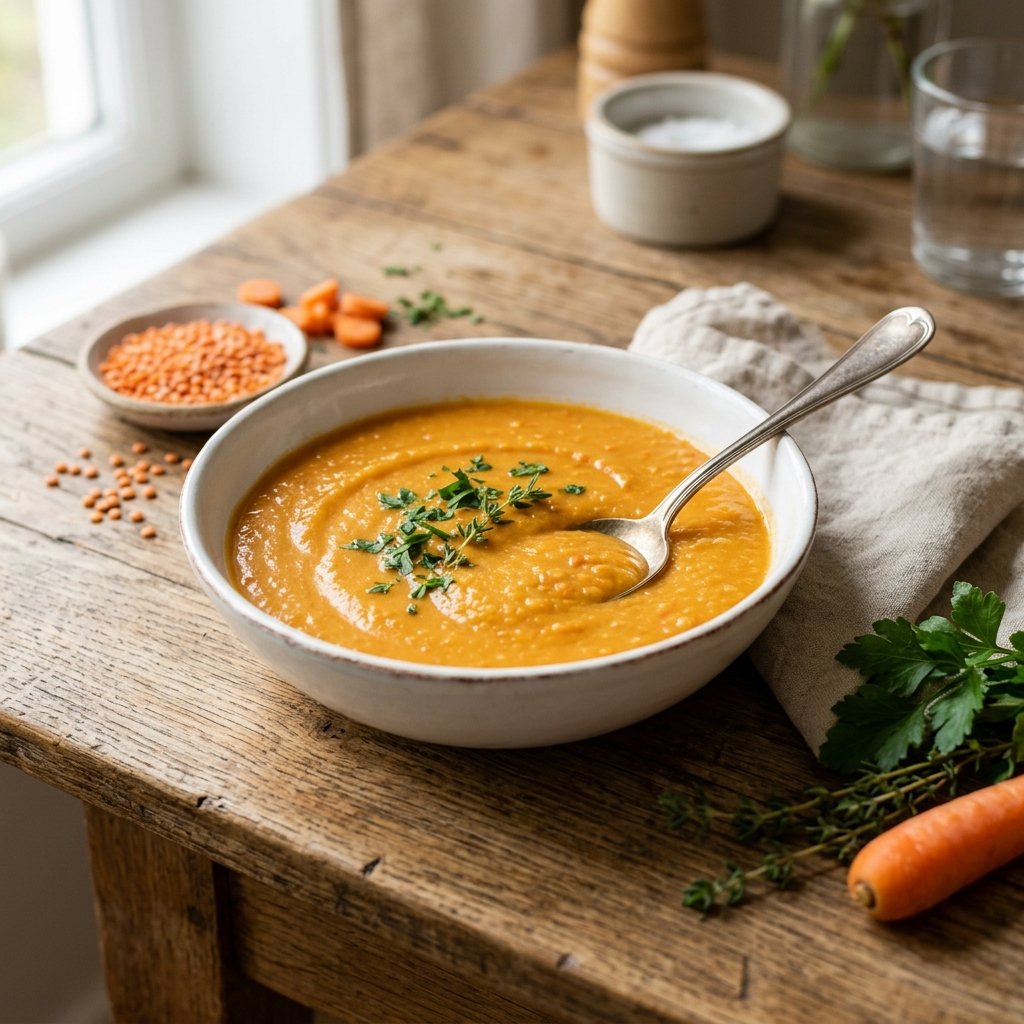
Soft lentil and carrot stew (well-cooked, pureed) (280 calories | 14g protein per serving)
This gentle stew gives you plant-based protein that's easy on your stomach. Red lentils break down quickly when cooked, making them perfect for people with digestive concerns. The pureed texture means less work for your digestive system while you still get all the nutrients. Carrots add natural sweetness and extra vitamins to support your overall health.
Ingredients
- 1 cup red lentils, rinsed
- 2 medium carrots, peeled and chopped
- 3 cups low-sodium vegetable broth
- 1 small yellow onion, diced
- 2 cloves garlic, minced
- 1 tablespoon olive oil
- 1/2 teaspoon ground cumin
- 1/4 teaspoon turmeric
- Salt to taste
- 1/4 cup coconut milk (optional, for creaminess)
Instructions
- Heat olive oil in a large pot over medium heat and add the diced onion.
- Cook the onion for 3-4 minutes until soft, then add the garlic and cook for another minute.
- Add the chopped carrots, rinsed lentils, cumin, and turmeric to the pot.
- Pour in the vegetable broth and bring everything to a boil.
- Reduce heat to low and simmer for 25-30 minutes until the lentils and carrots are very soft.
- Remove from heat and let cool for 5 minutes.
- Use an immersion blender to puree the stew until completely smooth, or transfer to a regular blender in batches.
- Stir in coconut milk if using, and add salt to taste.
- Reheat gently if needed before serving.
Add a squeeze of lemon juice before serving for extra flavor and vitamin C.
Greek-style dairy-free yogurt with pea-protein powder
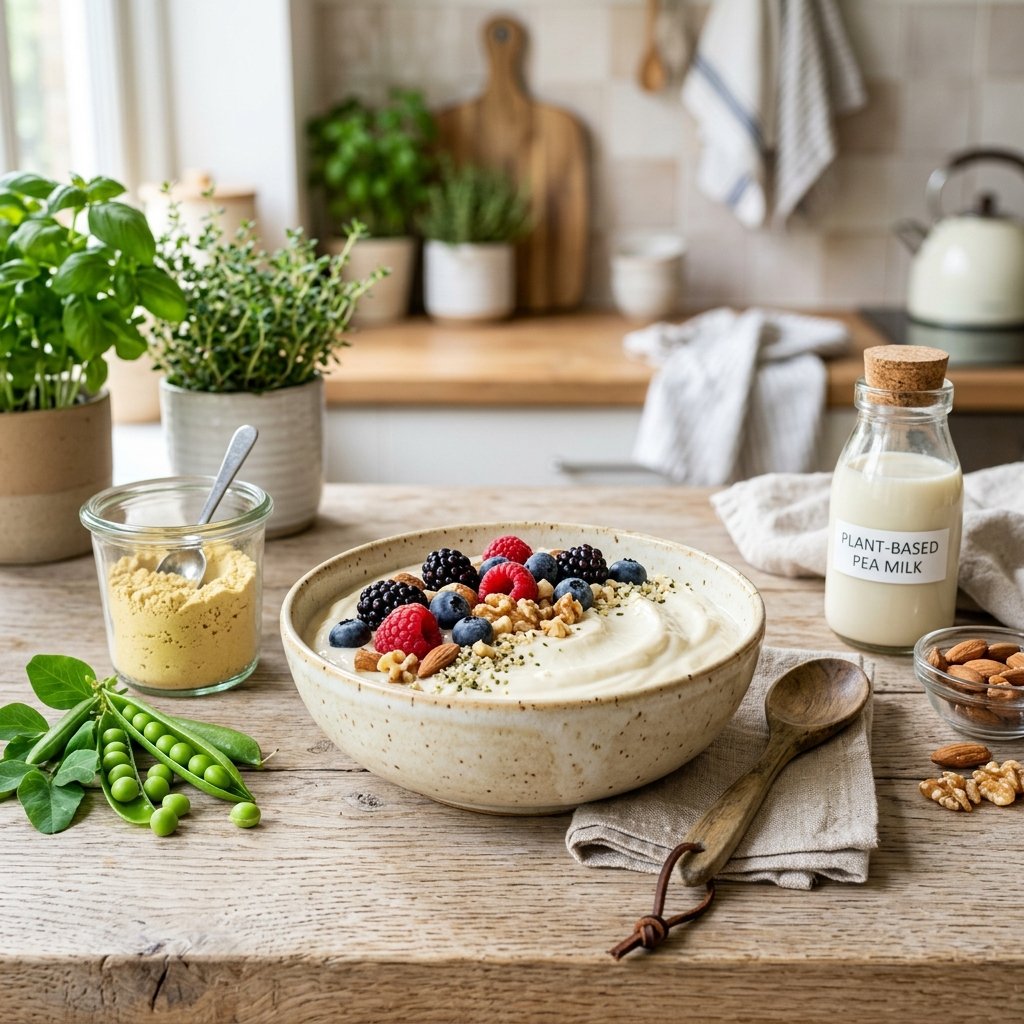
Greek-style dairy-free yogurt with pea-protein powder (180 calories | 18g protein per serving)
This creamy breakfast bowl uses coconut yogurt and pea-protein powder to create a protein-packed start to your day. The smooth texture is easy on sensitive stomachs while delivering plant-based protein your body needs. Pea protein digests gently and doesn't cause bloating like some other protein sources.
This recipe takes just five minutes to make and needs no cooking. You can prepare it the night before and grab it from the fridge in the morning.
Ingredients
- 1 cup unsweetened coconut yogurt (plain)
- 2 tablespoons unflavored pea-protein powder
- 1 tablespoon maple syrup
- 1/4 teaspoon vanilla extract
- 1/4 cup fresh blueberries
- 1 tablespoon ground flaxseed
- 2 tablespoons chopped walnuts
Instructions
- Put the coconut yogurt in a medium bowl.
- Add the pea-protein powder to the yogurt and stir slowly with a spoon until smooth and no clumps remain. This should take about one minute of mixing.
- Mix in the maple syrup and vanilla extract until everything is combined well.
- Sprinkle the ground flaxseed over the yogurt and gently fold it in.
- Transfer the yogurt to your serving bowl and top with fresh blueberries and chopped walnuts.
- Serve right away or cover with plastic wrap and store in the refrigerator for up to 24 hours.
Try adding mashed banana instead of maple syrup for natural sweetness and extra potassium.
Creamy almond butter and banana porridge (soaked oats)
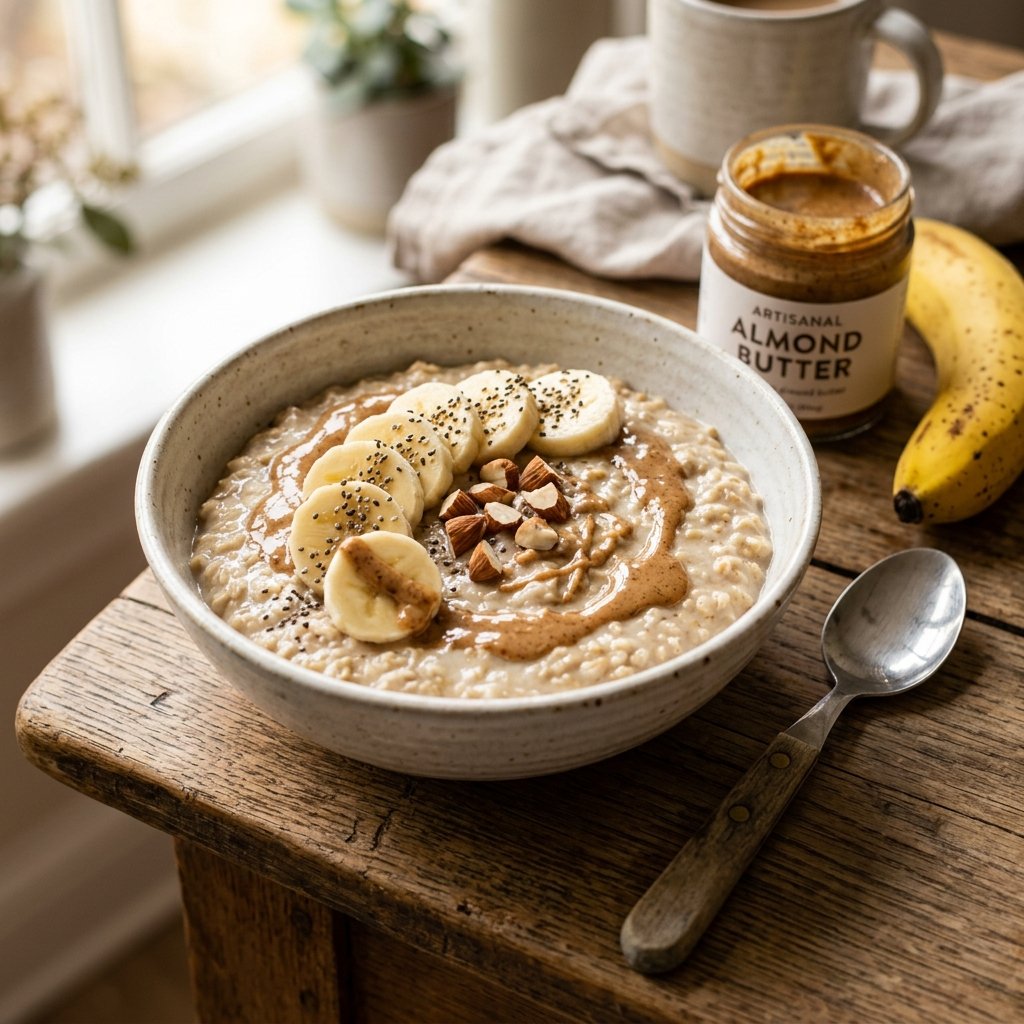
Creamy almond butter and banana porridge (soaked oats) (320 calories | 12g protein per serving)
This warm breakfast bowl gets its protein from almond butter and soaked oats that are easier to digest than raw oats. Soaking the oats overnight breaks down compounds that can upset sensitive stomachs. The creamy texture makes it perfect for anyone who has trouble chewing or swallowing harder foods.
Ingredients
- 1/2 cup rolled oats
- 1 cup unsweetened almond milk
- 2 tablespoons almond butter
- 1 ripe banana, mashed
- 1/2 teaspoon vanilla extract
- 1/4 teaspoon cinnamon
- 1 tablespoon ground flaxseed
- Pinch of salt
- 1 teaspoon maple syrup (optional)
Instructions
- Place the oats in a bowl and cover with almond milk the night before. Store in the refrigerator for at least 8 hours or overnight.
- In the morning, pour the soaked oats and liquid into a small pot. Heat over medium-low heat for 3-4 minutes, stirring occasionally.
- Add the mashed banana, almond butter, vanilla, cinnamon, flaxseed, and salt to the pot. Stir everything together until smooth and creamy.
- Continue cooking for another 2-3 minutes until the porridge reaches your desired thickness. Add a splash more almond milk if you want it thinner.
- Remove from heat and let it cool for 2 minutes before eating. Drizzle with maple syrup if you want extra sweetness.
Try topping with fresh blueberries or a sprinkle of hemp seeds for extra protein and nutrients.
Pureed White Bean and Roasted Red Pepper Soup
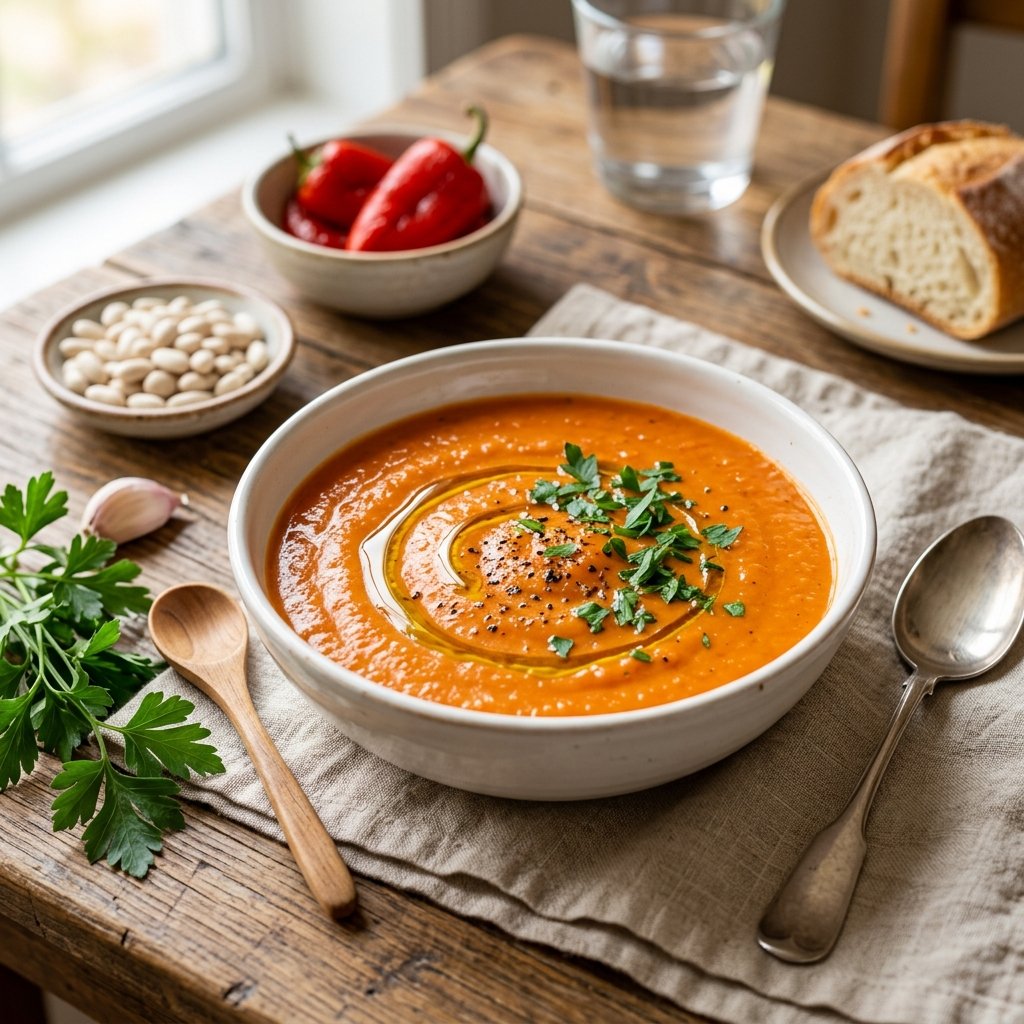
This smooth and creamy soup delivers about 240 calories and 12g of protein per serving from white beans. The pureed texture makes it perfect for elderly people who have trouble chewing or swallowing. White beans are gentle on sensitive stomachs and provide protein without causing digestive discomfort.
Ingredients
- 2 cans (15 oz each) white beans, drained and rinsed
- 1 jar (12 oz) roasted red peppers, drained
- 3 cups low-sodium vegetable broth
- 1 medium yellow onion, diced
- 3 cloves garlic, minced
- 2 tablespoons olive oil
- 1 teaspoon dried basil
- 1/2 teaspoon smoked paprika
- 1/4 teaspoon salt
- 1/4 teaspoon black pepper
- 1/4 cup unsweetened plant milk
Instructions
- Heat olive oil in a large pot over medium heat and add the diced onion.
- Cook the onion for 5 minutes until soft, then add garlic and cook for 1 more minute.
- Add the white beans, roasted red peppers, vegetable broth, basil, paprika, salt, and pepper to the pot.
- Bring the mixture to a boil, then reduce heat and let it simmer for 15 minutes.
- Remove the pot from heat and let it cool for 5 minutes.
- Use an immersion blender to puree the soup until completely smooth, or transfer to a regular blender in batches.
- Stir in the plant milk and blend again briefly to combine.
- Heat the soup gently on low heat for 2-3 minutes before serving.
Add a tablespoon of nutritional yeast before blending to boost the protein content and add a subtle cheesy flavor.
Soft tempeh crumbles with zucchini ribbons
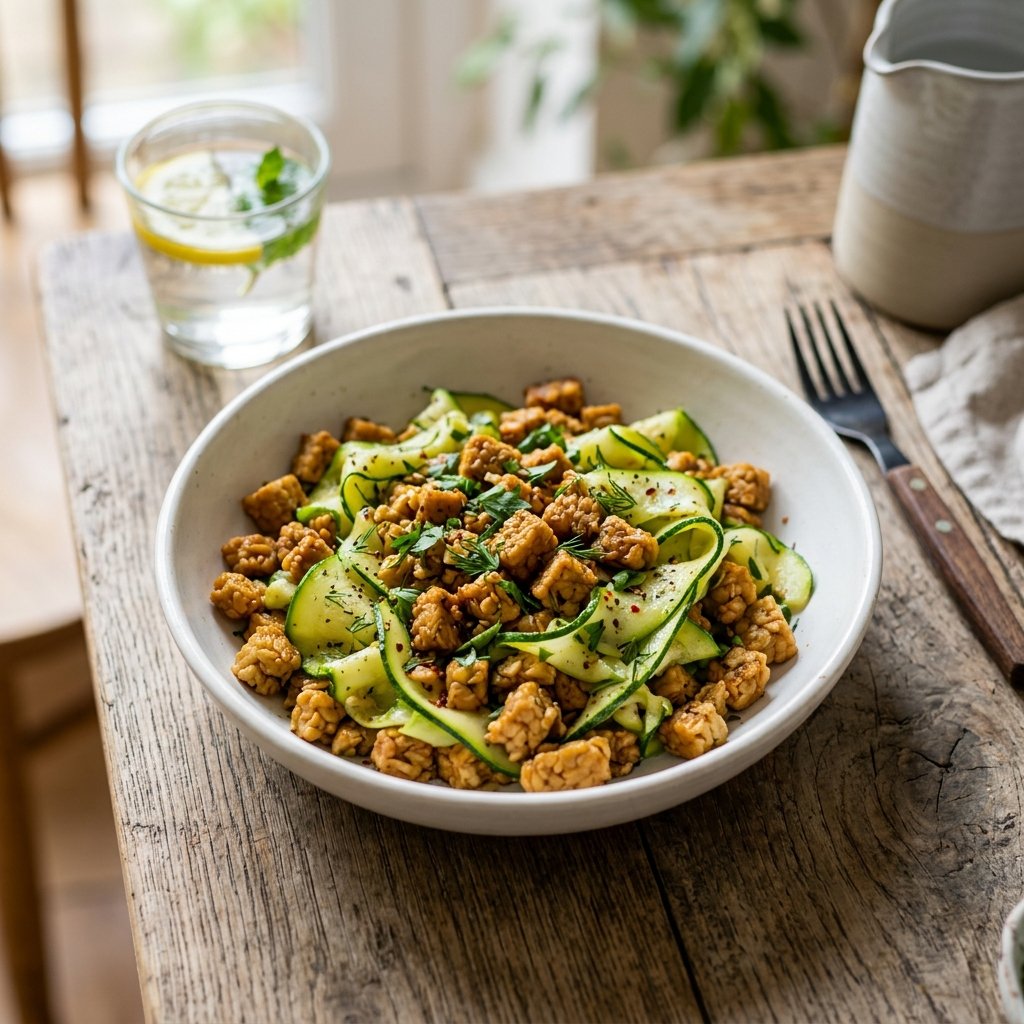
Soft tempeh crumbles with zucchini ribbons (240 calories | 18g protein per serving)
This gentle recipe uses steamed tempeh that breaks apart easily for seniors with chewing difficulties. The zucchini ribbons cook down to a soft texture that's easy on your digestive system. Tempeh provides complete protein and beneficial probiotics that support gut health. The simple seasonings won't irritate sensitive stomachs while still adding flavor.
Ingredients
- 8 oz tempeh
- 2 medium zucchini
- 2 tablespoons olive oil
- 1 tablespoon low-sodium soy sauce or tamari
- 1 teaspoon garlic powder
- 1/2 teaspoon ground ginger
- 1/4 cup vegetable broth
- Salt to taste
Instructions
- Steam the tempeh for 10 minutes until very soft, then crumble it into small pieces with a fork.
- Use a vegetable peeler to create long ribbons from the zucchini, stopping when you reach the seeds.
- Heat olive oil in a large pan over medium heat.
- Add the crumbled tempeh and cook for 3 minutes, stirring gently.
- Mix in the soy sauce, garlic powder, and ginger with the tempeh.
- Add the zucchini ribbons and vegetable broth to the pan.
- Cook for 5 minutes until the zucchini becomes tender and the liquid reduces.
- Add salt to taste and serve warm.
You can mash the tempeh even more if you need a softer texture, or add a tablespoon of tahini for extra creaminess and protein.
Blended Pumpkin and Silken Tofu Soup
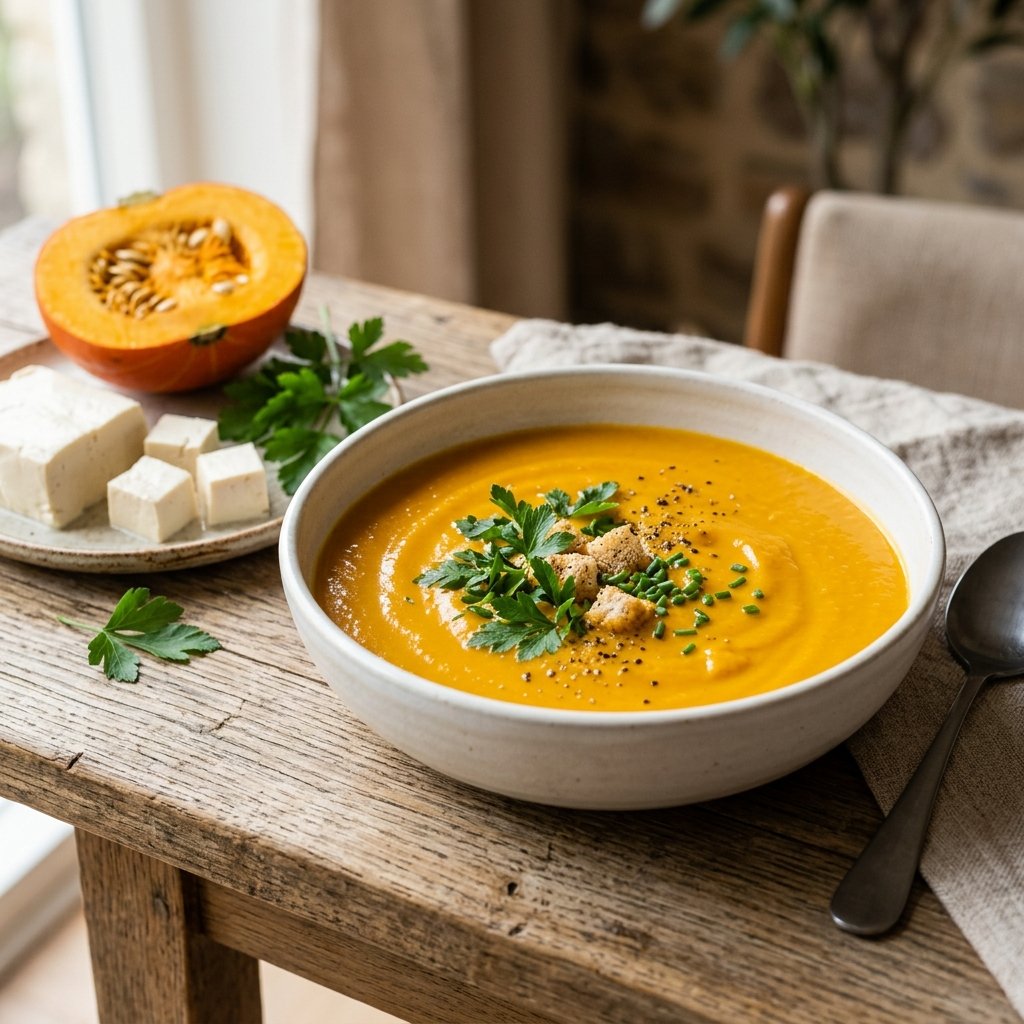
Blended Pumpkin and Silken Tofu Soup (180 calories | 9g protein per serving)
This creamy soup combines pumpkin with silken tofu to create a smooth texture that's easy on your digestive system. The silken tofu adds protein without any chunks or hard-to-digest pieces. Pumpkin is naturally soft and rich in fiber that supports gut health.
This recipe works well for anyone dealing with stomach sensitivity or trouble chewing. The warm, mild flavor makes it comforting for any meal.
Ingredients
- 1 cup canned pumpkin puree
- 8 oz silken tofu
- 2 cups low-sodium vegetable broth
- 1/2 teaspoon ground ginger
- 1/4 teaspoon cinnamon
- 1/4 teaspoon nutmeg
- 1 tablespoon olive oil
- Salt to taste
- Black pepper to taste
Instructions
- Add the silken tofu, pumpkin puree, and vegetable broth to a blender. Blend on high speed for 30 seconds until completely smooth.
- Pour the blended mixture into a medium pot over medium heat. Add the ginger, cinnamon, and nutmeg.
- Stir the soup frequently and let it heat for 5-7 minutes until warm throughout. Do not let it boil.
- Remove from heat and stir in the olive oil. Add salt and pepper to your taste preference.
- Serve warm in a bowl and enjoy immediately.
Add a drizzle of coconut milk on top for extra creaminess and healthy fats.
Gentle quinoa congee with soft-cooked peas
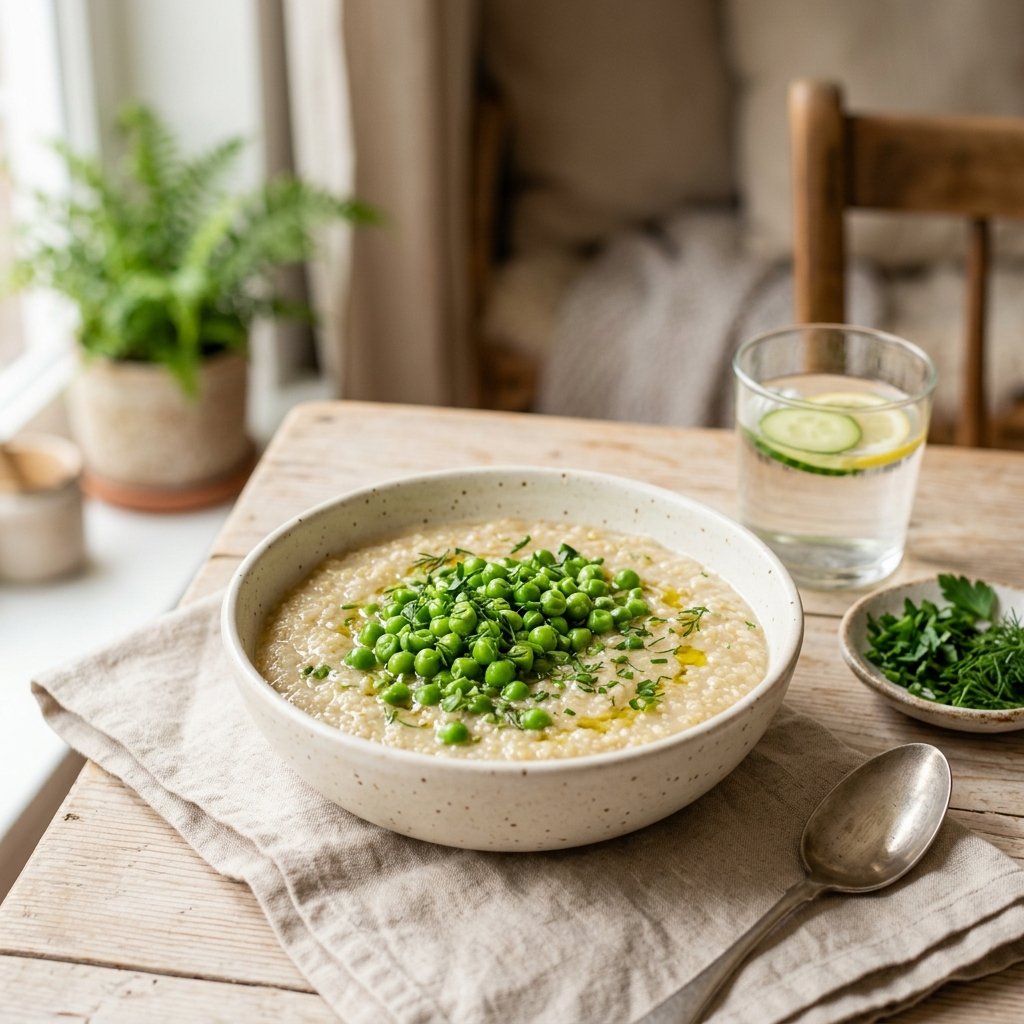
Gentle quinoa congee with soft-cooked peas (280 calories | 12g protein per serving)
This creamy porridge combines quinoa with green peas to create a soothing meal that's easy on your stomach. The quinoa breaks down into a soft, rice-pudding texture that requires minimal chewing. Peas add protein and fiber while staying gentle on sensitive digestive systems. This recipe works well for breakfast or as a light dinner when you need something warm and comforting.
Ingredients
- 1/2 cup white quinoa, rinsed
- 3 cups low-sodium vegetable broth
- 1/2 cup frozen green peas
- 1 tablespoon olive oil
- 1/4 teaspoon ground ginger
- 1/8 teaspoon sea salt
- 2 tablespoons nutritional yeast
- 1 teaspoon white miso paste (optional)
Instructions
- Add the rinsed quinoa and vegetable broth to a medium pot and bring to a boil over high heat.
- Reduce heat to low and simmer uncovered for 25 minutes, stirring every 5 minutes.
- Add the frozen peas and continue cooking for 10 more minutes until the quinoa breaks down and becomes very soft.
- Stir in the olive oil, ground ginger, and sea salt.
- Remove from heat and mix in the nutritional yeast and miso paste if using.
- Let the congee sit for 3 minutes to thicken slightly before serving.
- Serve warm in a bowl while the texture is still creamy.
Add a drizzle of tahini on top for extra protein and healthy fats.
Smooth pea-protein smoothie with ripe mango
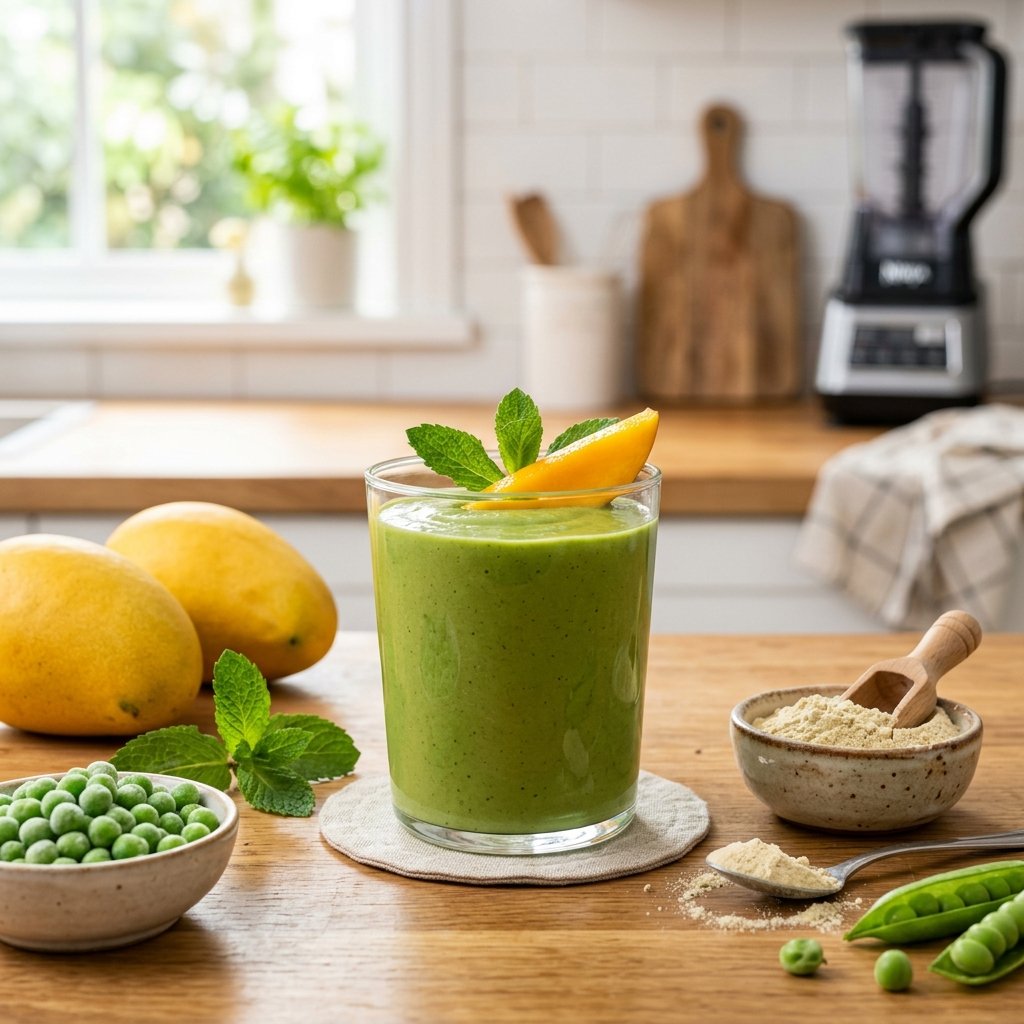
Smooth Pea-Protein Smoothie with Ripe Mango (240 calories | 20g protein per serving)
This creamy smoothie is perfect for seniors who need easy-to-digest protein. The ripe mango makes it naturally sweet and gentle on your stomach. Pea protein powder is plant-based and won't cause bloating like some dairy proteins can.
The soft texture requires no chewing, which helps if you have dental issues or trouble swallowing. You can drink this for breakfast or as a snack between meals.
Ingredients
- 1 cup ripe mango chunks (fresh or frozen)
- 1 scoop vanilla pea protein powder (about 20g)
- 1 cup unsweetened almond milk
- 1/2 ripe banana
- 1 tablespoon ground flaxseed
- 1/4 teaspoon vanilla extract
- 3-4 ice cubes (if using fresh mango)
- 1 teaspoon maple syrup (optional)
Instructions
- Add the almond milk to your blender first to prevent sticking.
- Drop in the mango chunks, banana, and pea protein powder.
- Add the ground flaxseed and vanilla extract to the blender.
- Toss in the ice cubes if you're using fresh mango instead of frozen.
- Blend on high speed for 45-60 seconds until completely smooth.
- Taste and add maple syrup if you want it sweeter, then blend for 10 more seconds.
- Pour into a glass and drink right away for the best texture.
Try adding a handful of spinach for extra nutrients without changing the sweet mango taste.
Warm Hummus (Strained) with Steamed Cauliflower
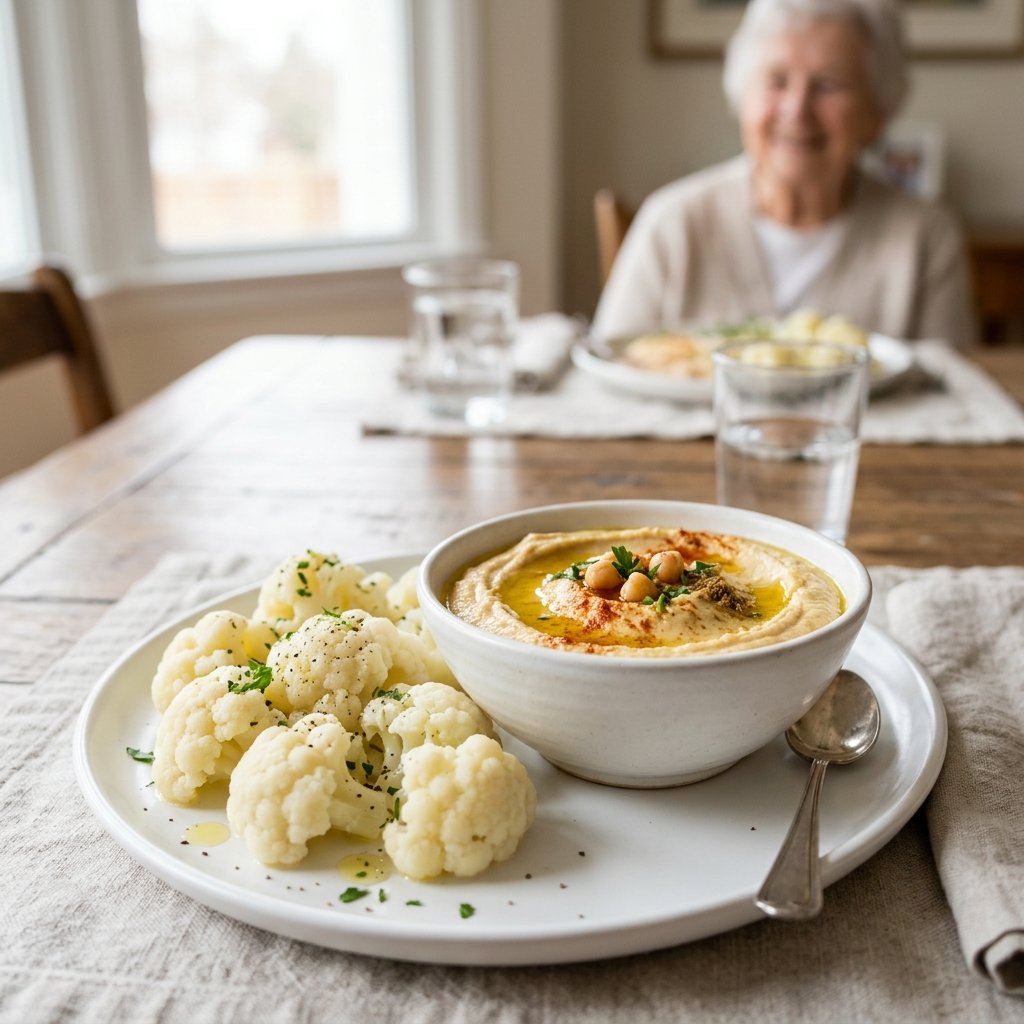
Warm Hummus (Strained) with Steamed Cauliflower (280 calories | 14g protein per serving)
This gentle dish combines smooth chickpea hummus with tender cauliflower for an easy-to-digest meal. The straining process removes skins and fiber that can bother sensitive stomachs while keeping the protein intact. Warming the hummus makes it even easier on your digestive system. This recipe works great as a light lunch or dinner when you need something filling but not heavy.
Ingredients
- 1 can (15 oz) chickpeas, drained and rinsed
- 3 tablespoons tahini
- 2 tablespoons lemon juice
- 1 clove garlic, minced
- 3 tablespoons olive oil
- 1/4 teaspoon salt
- 2 tablespoons warm water
- 1 medium head cauliflower, cut into florets
- Fine mesh strainer or cheesecloth
Instructions
- Add chickpeas, tahini, lemon juice, garlic, olive oil, and salt to a blender or food processor. Blend until completely smooth, adding warm water as needed.
- Place a fine mesh strainer over a bowl and push the hummus through using a spatula or spoon. This removes any remaining chickpea skins and creates a silky texture.
- Fill a pot with 2 inches of water and bring to a boil. Place cauliflower florets in a steamer basket over the water.
- Cover and steam the cauliflower for 8-10 minutes until very tender when pierced with a fork.
- Transfer the strained hummus to a small pot and warm over low heat for 3-4 minutes, stirring often.
- Serve the warm hummus in a bowl with steamed cauliflower florets on the side or arranged on top.
Add a drizzle of extra virgin olive oil on top of the hummus for healthy fats and extra flavor.
Baked cod-style marinated tofu (herbed, tender)
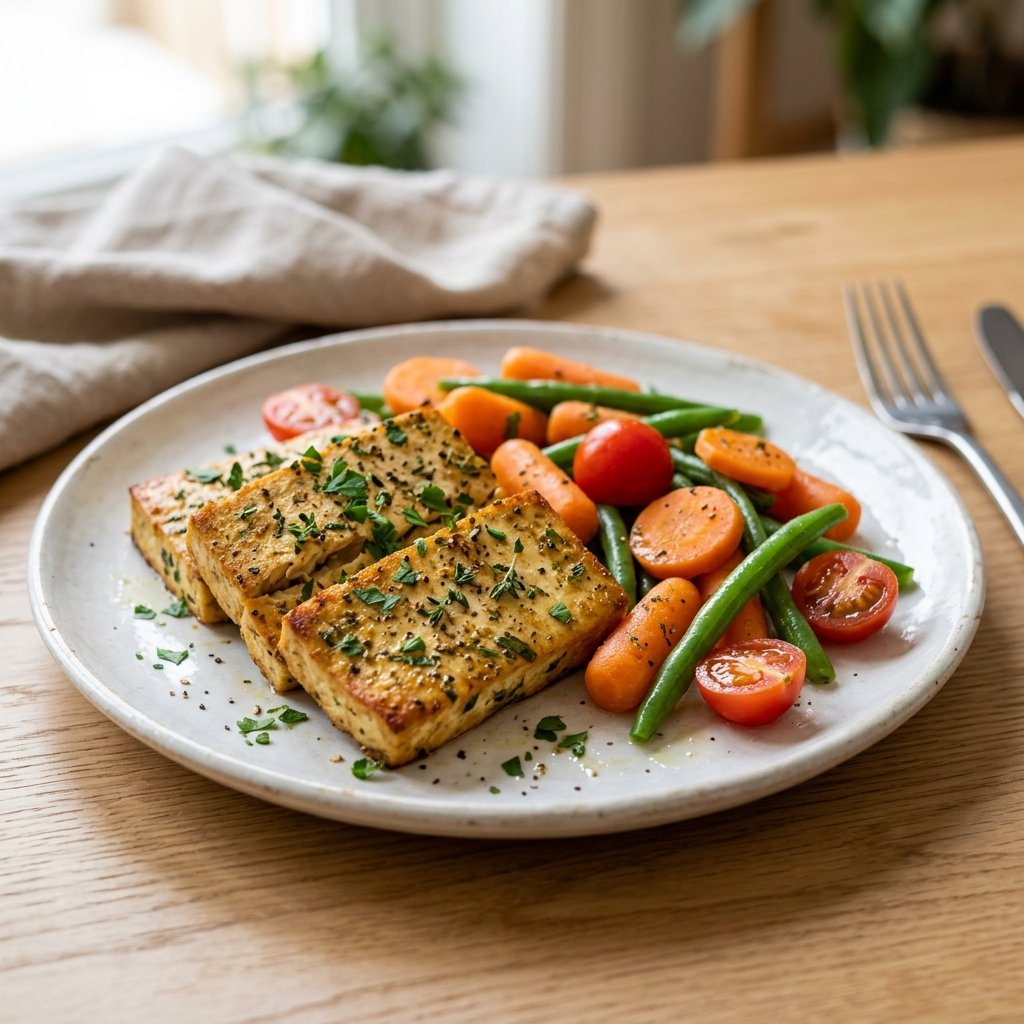
Baked cod-style marinated tofu (220 calories | 18g protein per serving)
This recipe transforms firm tofu into a flaky, tender dish that looks and feels like baked cod. The herbs and gentle baking make it easy to chew and digest. It's perfect for seniors who want high protein without heavy meat.
The tofu soaks up a light marinade of lemon, dill, and garlic. This gives it a mild, pleasant flavor that won't upset sensitive stomachs.
Ingredients
- 14 ounces firm tofu, pressed and drained
- 2 tablespoons lemon juice
- 1 tablespoon olive oil
- 1 teaspoon dried dill
- 1/2 teaspoon garlic powder
- 1/4 teaspoon sea salt
- 1/4 teaspoon black pepper
- 1 sheet nori seaweed, crumbled (optional, for ocean flavor)
Instructions
- Press the tofu between paper towels for 10 minutes to remove extra water.
- Cut the tofu into 4 rectangular pieces about 1 inch thick.
- Mix lemon juice, olive oil, dill, garlic powder, salt, and pepper in a shallow dish.
- Place tofu pieces in the marinade and turn them to coat all sides.
- Let the tofu marinate for 15 minutes at room temperature.
- Preheat your oven to 375°F and line a baking sheet with parchment paper.
- Place the marinated tofu on the baking sheet and sprinkle with crumbled nori if using.
- Bake for 25 minutes, flipping once halfway through.
- The tofu should be golden on the edges and firm to touch when done.
Add a squeeze of fresh lemon juice before serving to brighten the flavor.
How Protein Needs Change With Age
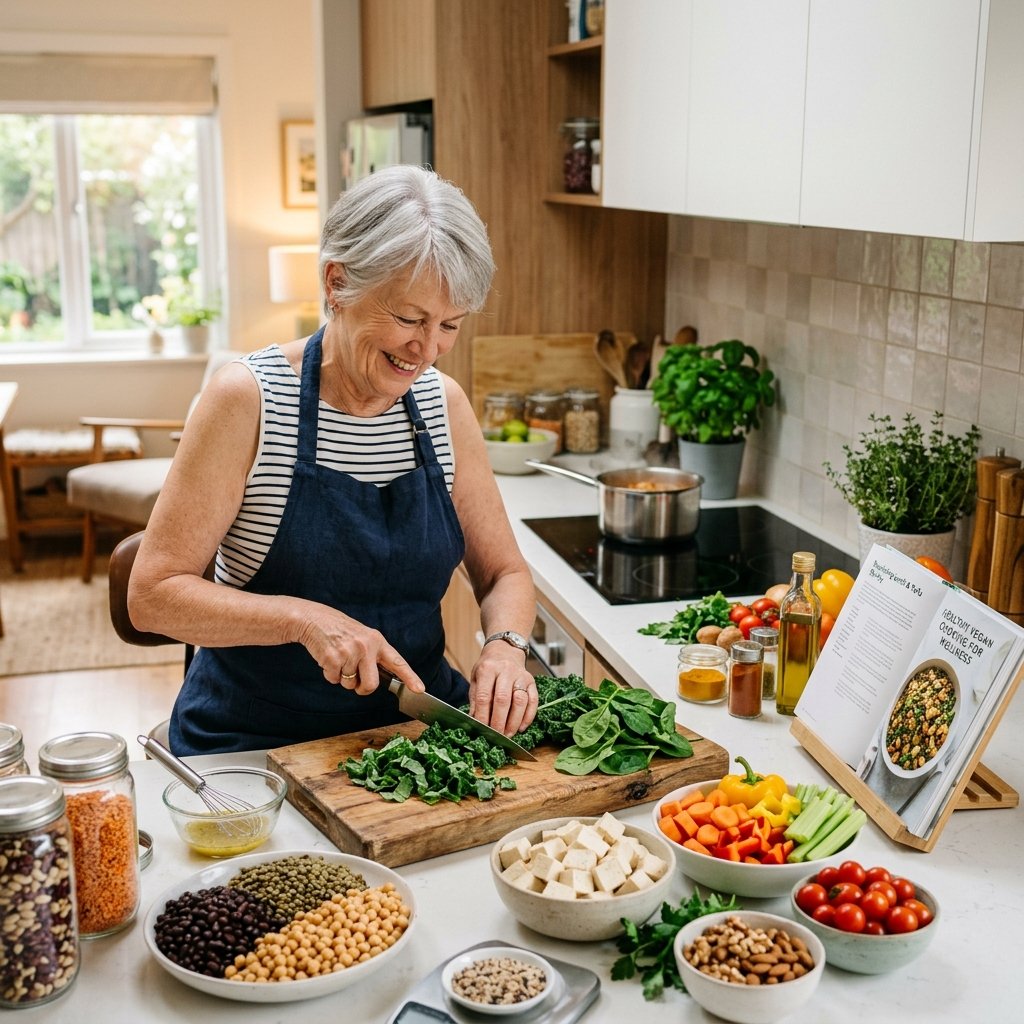
Your body requires more protein as you get older to maintain muscle mass and support healing. Older adults need about 1 to 1.2 grams of protein per kilogram of body weight daily, which is higher than younger adults who need only 0.8 grams.
Why Protein Intake Is Essential for Seniors
Your muscles naturally break down faster after age 60. This process, called sarcopenia, can lead to weakness and loss of independence if you don't eat enough protein.
Protein helps your body repair tissues and fight off infections. Your immune system relies on protein to make antibodies that protect you from illness.
You also need protein to keep your bones strong. Without enough protein, your bones become fragile and more likely to break from falls.
Protein helps wounds heal faster, which becomes more important as you age. Older skin takes longer to repair itself, so adequate protein intake supports recovery from cuts, bruises, and surgeries.
Your digestive system absorbs protein less efficiently as you get older. This means you need to eat more protein-rich foods to get the same benefits you once did from smaller amounts.
Risks of Protein Deficiency in Older Adults
Low protein intake can cause rapid muscle loss. You might notice difficulty climbing stairs, getting up from chairs, or carrying groceries.
Your balance may worsen without enough protein. Falls become more common when your leg muscles weaken, which can lead to serious injuries like hip fractures.
Protein deficiency slows down wound healing significantly. Even small cuts or pressure sores can take weeks or months to heal instead of days.
Your body might start breaking down existing muscle to get the protein it needs. This creates a harmful cycle where you become weaker and weaker over time.
Swelling in your legs and feet can occur when protein levels drop too low. Your body needs protein to maintain proper fluid balance in your tissues.
Digestive Challenges and Plant-Based Nutrition

As we age, our digestive systems slow down and become more sensitive to certain foods. Plant-based proteins can be gentle on the stomach when prepared properly, and choosing the right sources makes a big difference for comfort and nutrition.
Common Digestive Issues in the Elderly
Your digestive system changes as you get older. The stomach produces less acid, which makes it harder to break down proteins and absorb nutrients properly.
Many older adults experience slower bowel movements and constipation. This happens because the muscles in your digestive tract don't contract as strongly as they once did. You might also notice more gas and bloating after meals.
Certain conditions become more common with age. These include acid reflux, diverticulitis, and irritable bowel syndrome. Your gut also has fewer helpful bacteria, which affects how well you digest food.
Some medications can make digestive problems worse. Pain relievers, blood pressure drugs, and calcium supplements often cause stomach upset or constipation.
Easily Digestible Plant-Based Protein Sources
Soft tofu and silken tofu are among the easiest plant proteins to digest. They contain about 8-10 grams of protein per half cup and require almost no chewing.
Cooked lentils provide 18 grams of protein per cup and are gentler than beans when well-cooked. Red lentils break down the most easily because they have thinner skins.
Smooth nut butters like almond or peanut butter offer 7-8 grams of protein per two tablespoons. They're easier to digest than whole nuts because they're already ground up.
Other gentle options include:
- Quinoa (8g protein per cup cooked)
- Split peas (16g protein per cup cooked)
- Hemp seeds (10g protein per 3 tablespoons)
- Tempeh when steamed (15g protein per half cup)
Tips for Supporting Gentle Digestion
Cook your plant proteins thoroughly until they're very soft. This breaks down the fiber and makes them much easier for your stomach to handle. Aim for a consistency that requires minimal chewing.
Remove skins from beans and lentils when possible. You can blend soups and stews to create smooth textures that digest faster.
Try these preparation methods:
- Soak beans overnight before cooking
- Add ginger or fennel to reduce gas
- Eat smaller portions throughout the day
- Drink water between meals, not during
Season foods with gentle spices like turmeric and cumin. These help your stomach produce digestive enzymes. Avoid heavy oils and fried foods that sit in your stomach longer.
Chew each bite thoroughly and eat slowly. This gives your saliva time to start breaking down the food before it reaches your stomach.