15 Soft High Protein Vegan Foods for Seniors with Chewing Problems: Easy, Gentle Options That Pack 10-20g Per Serving

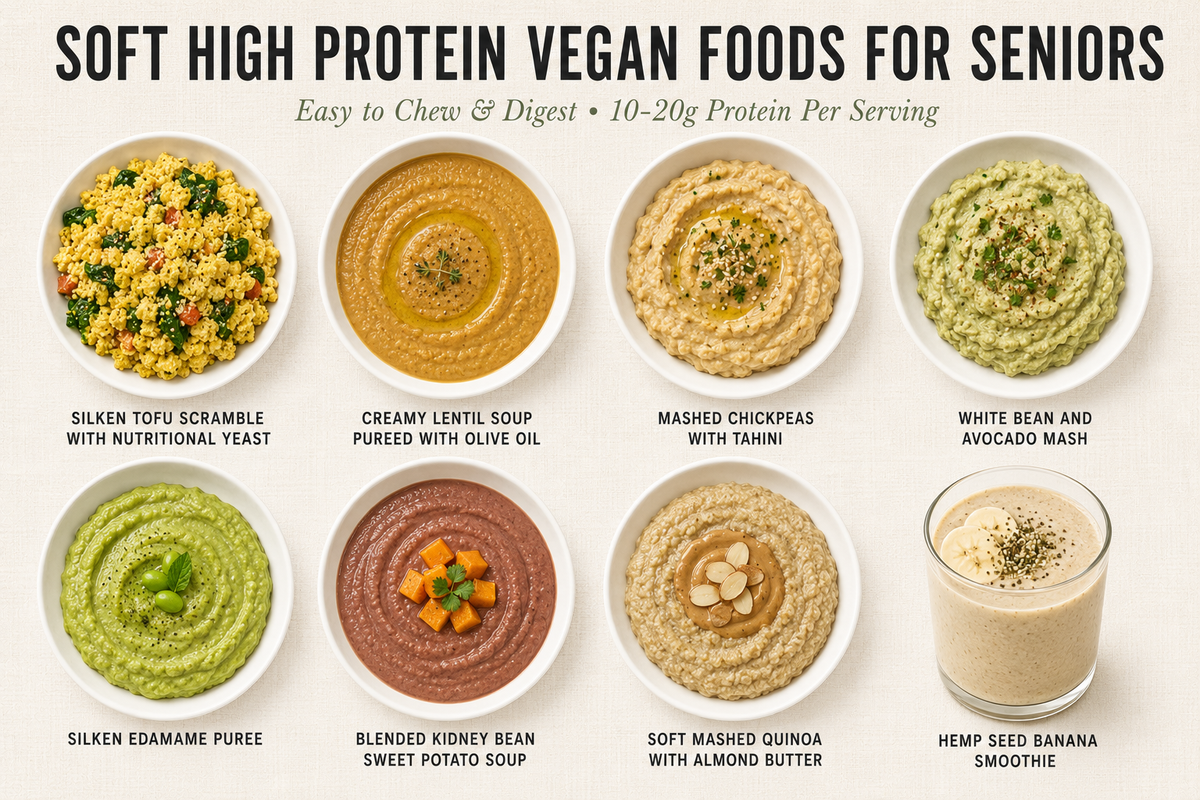
Getting enough protein is important for staying strong and healthy as you age. But when chewing becomes difficult, it can be hard to eat the foods your body needs. Many seniors struggle to find soft, easy-to-eat options that still provide enough protein.
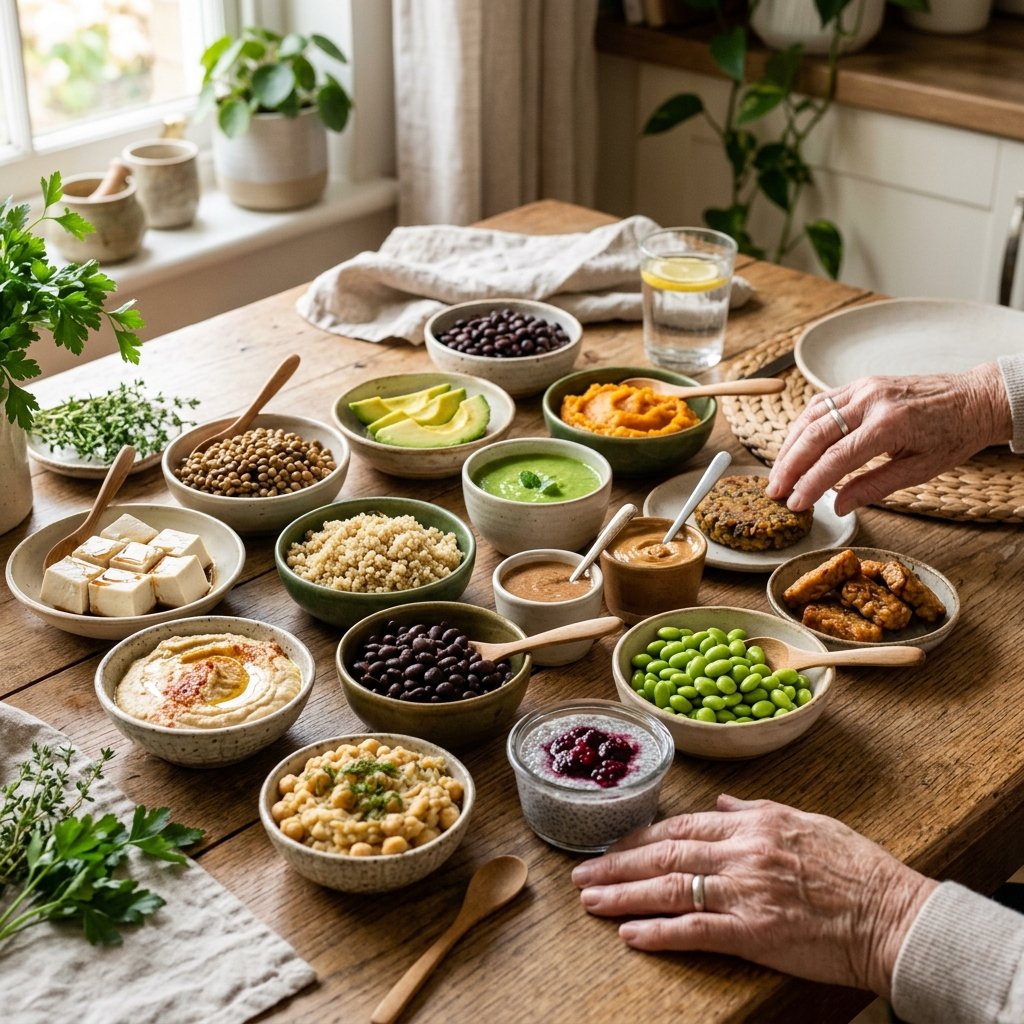
The good news is that there are plenty of plant-based foods that are both high in protein and gentle on your mouth. These foods don't require much chewing and can help you meet your daily protein needs. They can be blended, mashed, or prepared in ways that make them comfortable to eat.
This guide will show you 15 vegan options that are soft, packed with protein, and easy to prepare. You'll also learn why protein matters for your health and get tips for making meals easier to chew.
Silken tofu (soft, high-protein)
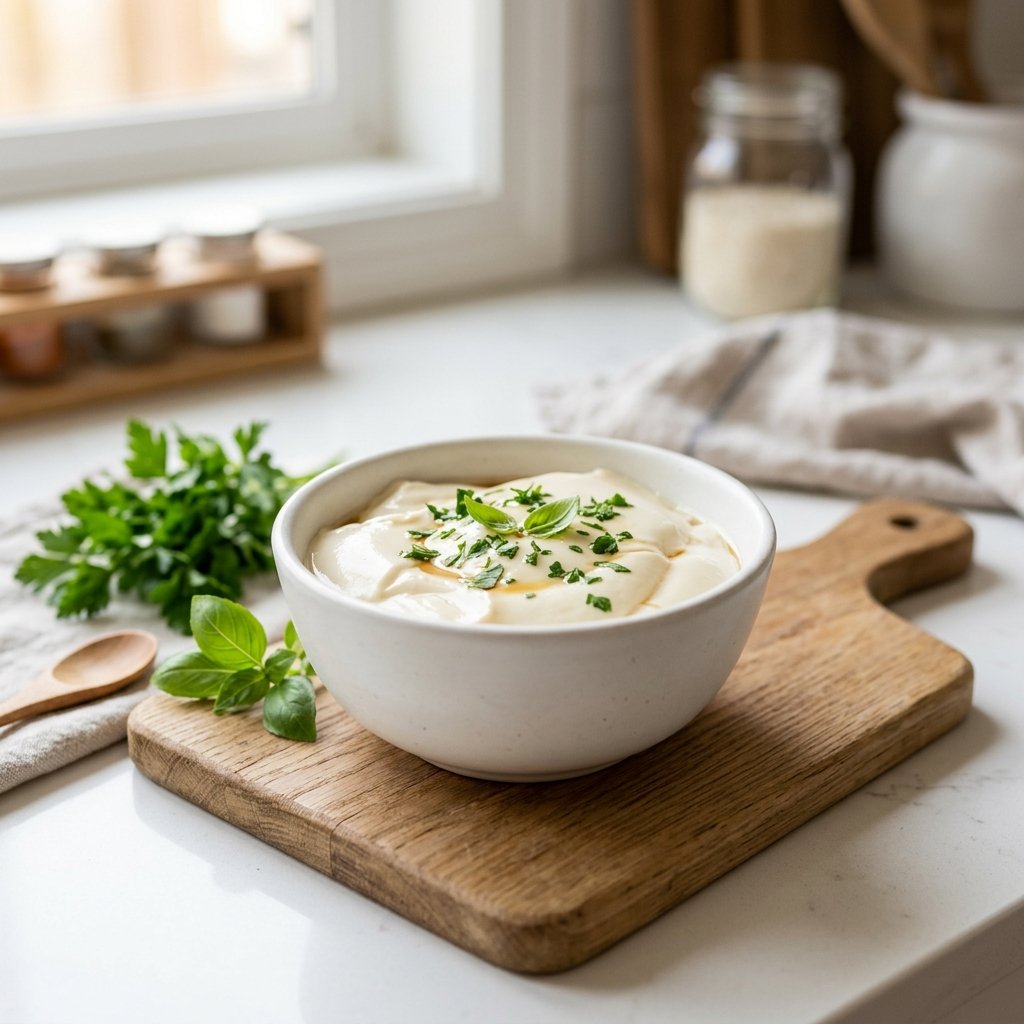
Silken Tofu Scramble (120 calories | 12g protein per serving)
Silken tofu is one of the softest protein sources you can find. It blends easily and requires almost no chewing, making it perfect for seniors with dental issues. This scramble gives you a warm, savory meal that's packed with plant-based protein and ready in minutes.
Ingredients
- 14 oz block silken tofu
- 1 tablespoon olive oil
- 1/4 teaspoon turmeric powder
- 1/4 teaspoon garlic powder
- 1/4 teaspoon onion powder
- 2 tablespoons nutritional yeast
- Salt and pepper to taste
- 2 tablespoons unsweetened plant milk
Instructions
- Drain the silken tofu gently and pat it dry with a paper towel.
- Heat the olive oil in a non-stick pan over medium heat.
- Add the tofu to the pan and use a spatula to break it into small, soft pieces.
- Sprinkle in the turmeric, garlic powder, onion powder, and nutritional yeast.
- Stir gently for 3-4 minutes until the tofu is warm and slightly golden.
- Add the plant milk to make it creamier and stir for another minute.
- Season with salt and pepper, then remove from heat.
Add mashed avocado on top for extra healthy fats and creaminess.
Greek-style coconut yogurt (plant-based)
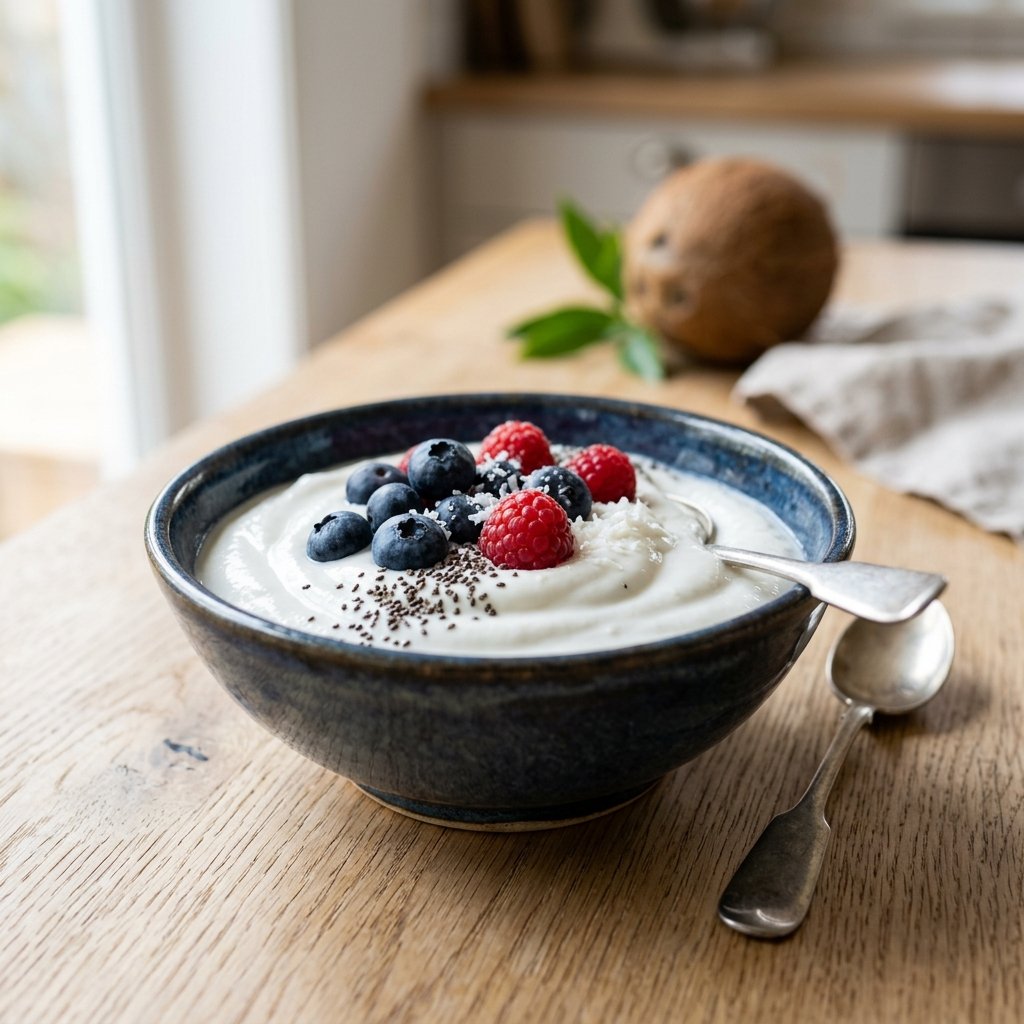
Greek-style coconut yogurt (plant-based) (150 calories | 15g protein per serving)
Greek-style coconut yogurt gives you a creamy, high-protein option that's easy to eat and digest. This recipe uses coconut cream and pea protein powder to create a thick yogurt with about 15 grams of protein per serving. It's perfect for seniors who need soft foods but still want to meet their daily protein needs.
The coconut base provides healthy fats while the protein powder boosts the nutritional value. You can eat this yogurt plain or add soft fruits for extra flavor.
Ingredients
- 2 cups full-fat coconut cream
- 1/2 cup unflavored pea protein powder
- 2 tablespoons maple syrup
- 1 teaspoon vanilla extract
- 2 probiotic capsules (opened)
- 1/4 teaspoon sea salt
Instructions
- Pour the coconut cream into a medium bowl and whisk until smooth.
- Add the pea protein powder slowly while whisking to avoid lumps.
- Mix in the maple syrup, vanilla extract, and sea salt until well combined.
- Open the probiotic capsules and sprinkle the powder into the mixture, stirring gently.
- Transfer the mixture to a clean glass jar with a lid.
- Cover the jar with a clean kitchen towel and secure it with a rubber band instead of the lid.
- Place the jar in a warm spot (around 110°F) for 12-24 hours to let it ferment.
- After fermentation, stir the yogurt and refrigerate for at least 4 hours before eating.
- Store in the refrigerator for up to one week.
Add a spoonful of nut butter or blend with soft berries to change the flavor and add more nutrients.
Lentil Soup Pureed with Olive Oil
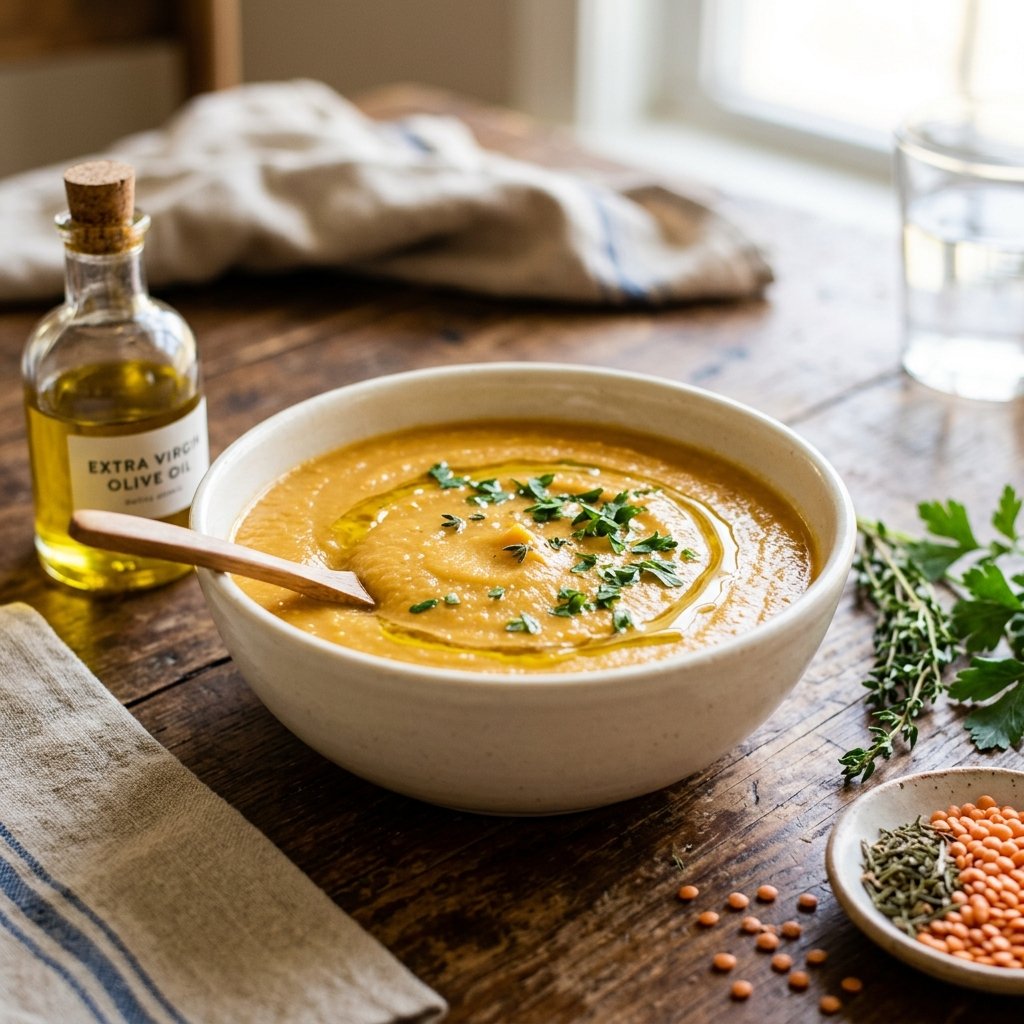
Lentil Soup Pureed with Olive Oil (280 calories | 14g protein per serving)
Lentils are packed with plant-based protein and cook down into a naturally soft texture. When you puree them with olive oil, you get a smooth soup that's easy to swallow. This recipe is perfect if you need a warm, filling meal that doesn't require any chewing.
Ingredients
- 1 cup dried red lentils
- 4 cups low-sodium vegetable broth
- 1 small onion, chopped
- 2 cloves garlic, minced
- 1 medium carrot, chopped
- 1/2 teaspoon ground cumin
- 1/4 teaspoon turmeric
- 3 tablespoons olive oil
- Salt to taste
- Black pepper to taste
Instructions
- Heat 1 tablespoon of olive oil in a large pot over medium heat.
- Add the chopped onion and carrot, cooking for 5 minutes until soft.
- Stir in the minced garlic, cumin, and turmeric, cooking for 1 more minute.
- Add the lentils and vegetable broth to the pot.
- Bring the mixture to a boil, then reduce heat and simmer for 20-25 minutes until lentils are very soft.
- Remove from heat and let cool for 5 minutes.
- Use an immersion blender to puree the soup until completely smooth, or transfer to a regular blender in batches.
- Stir in the remaining 2 tablespoons of olive oil.
- Add salt and pepper to taste.
Add a squeeze of lemon juice before serving to brighten the flavors and boost vitamin C absorption.
Mashed Chickpeas with Tahini
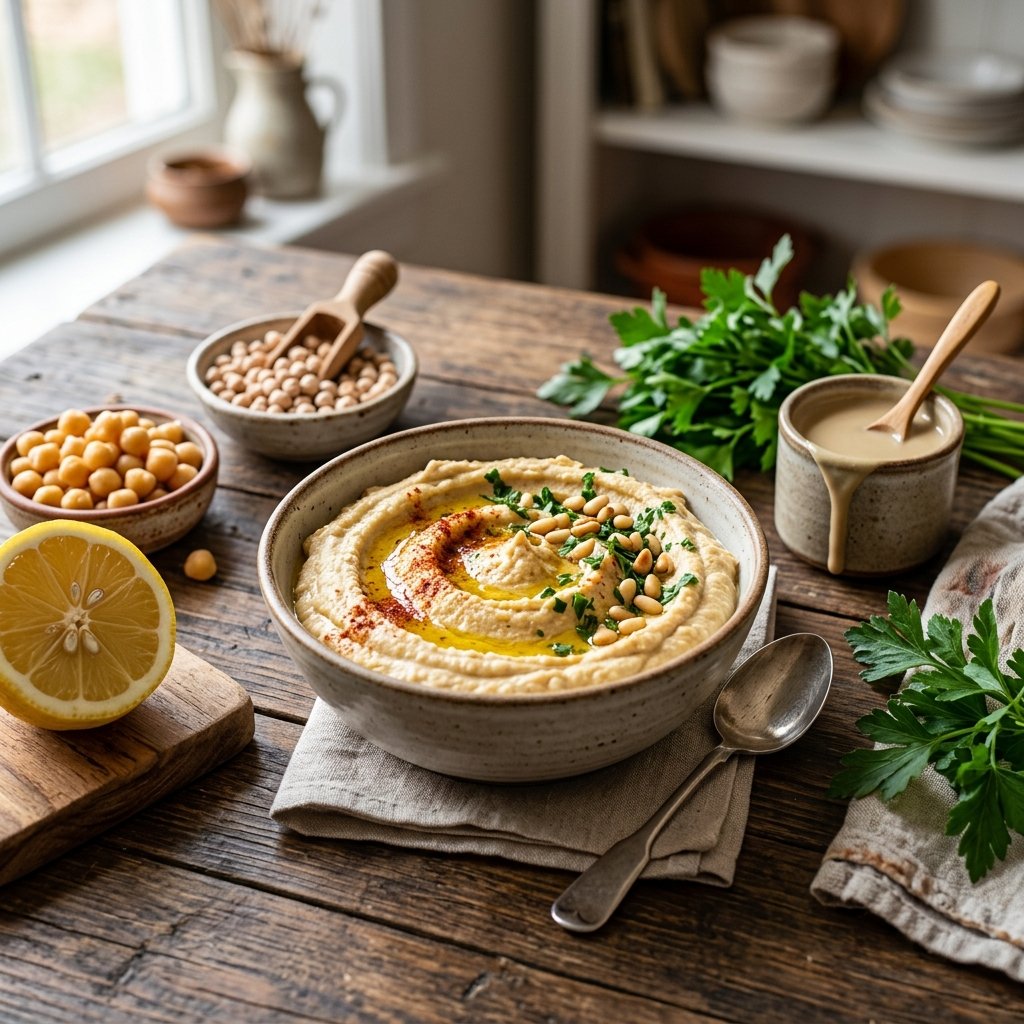
Mashed Chickpeas with Tahini (210 calories | 10g protein per serving)
Mashed chickpeas mixed with tahini create a smooth, protein-rich spread that's easy to swallow. One serving gives you 10 grams of plant-based protein along with healthy fats from sesame seeds. This dish works perfectly as a dip, sandwich filling, or side dish that requires no chewing effort.
The creamy texture makes it ideal for anyone with dentures or sore gums. You can adjust the thickness by adding more or less liquid to suit your needs.
Ingredients
- 1 can (15 oz) chickpeas, drained and rinsed
- 3 tablespoons tahini
- 2 tablespoons lemon juice
- 2 tablespoons olive oil
- 1 clove garlic, minced
- 1/4 teaspoon salt
- 2-4 tablespoons water
- 1/4 teaspoon cumin (optional)
Instructions
- Add the drained chickpeas to a medium bowl and mash them with a fork or potato masher until mostly smooth.
- Stir in the tahini, lemon juice, and olive oil until well combined.
- Add the minced garlic, salt, and cumin if using, then mix thoroughly.
- Add water one tablespoon at a time, stirring after each addition, until you reach your desired creamy consistency.
- Taste and adjust seasoning with more salt or lemon juice if needed.
- Serve immediately or store in an airtight container in the refrigerator for up to 5 days.
Add a pinch of smoked paprika on top for extra flavor without changing the soft texture.
Soft Scrambled Tofu with Nutritional Yeast
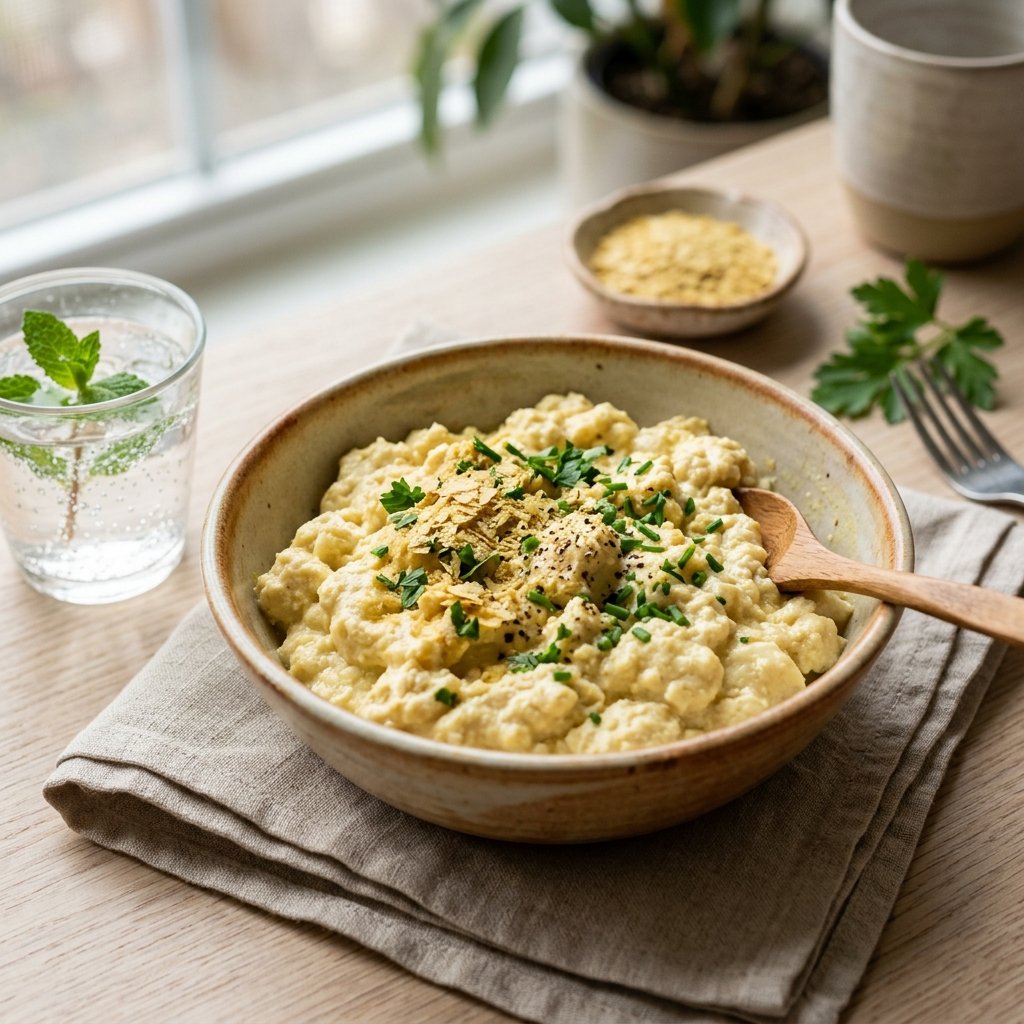
Soft Scrambled Tofu with Nutritional Yeast (180 calories | 16g protein per serving)
Scrambled tofu makes a gentle alternative to eggs that's easy to chew and swallow. One serving gives you 16 grams of protein from soft tofu. The nutritional yeast adds a cheesy flavor and extra B vitamins.
This recipe creates a creamy texture that feels similar to scrambled eggs. You can eat it for breakfast or any meal when you need quick protein.
Ingredients
- 14 oz firm tofu, drained
- 2 tablespoons nutritional yeast
- 1/4 teaspoon turmeric powder
- 1/4 teaspoon garlic powder
- 1/4 teaspoon salt
- 2 tablespoons plant-based milk
- 1 tablespoon olive oil
- Black pepper to taste
Instructions
- Press the tofu gently with paper towels to remove extra water.
- Crumble the tofu into small pieces with your hands or a fork.
- Heat the olive oil in a pan over medium heat for about 30 seconds.
- Add the crumbled tofu to the pan and cook for 2 minutes, stirring gently.
- Mix in the turmeric, garlic powder, salt, and pepper while stirring.
- Pour in the plant-based milk and stir everything together.
- Add the nutritional yeast and cook for another 2-3 minutes, stirring often.
- Keep cooking until the tofu reaches your preferred softness, about 5-7 minutes total.
Add fresh chopped spinach or diced tomatoes during the last minute of cooking for extra nutrients and flavor.
Pea protein hummus (smooth)
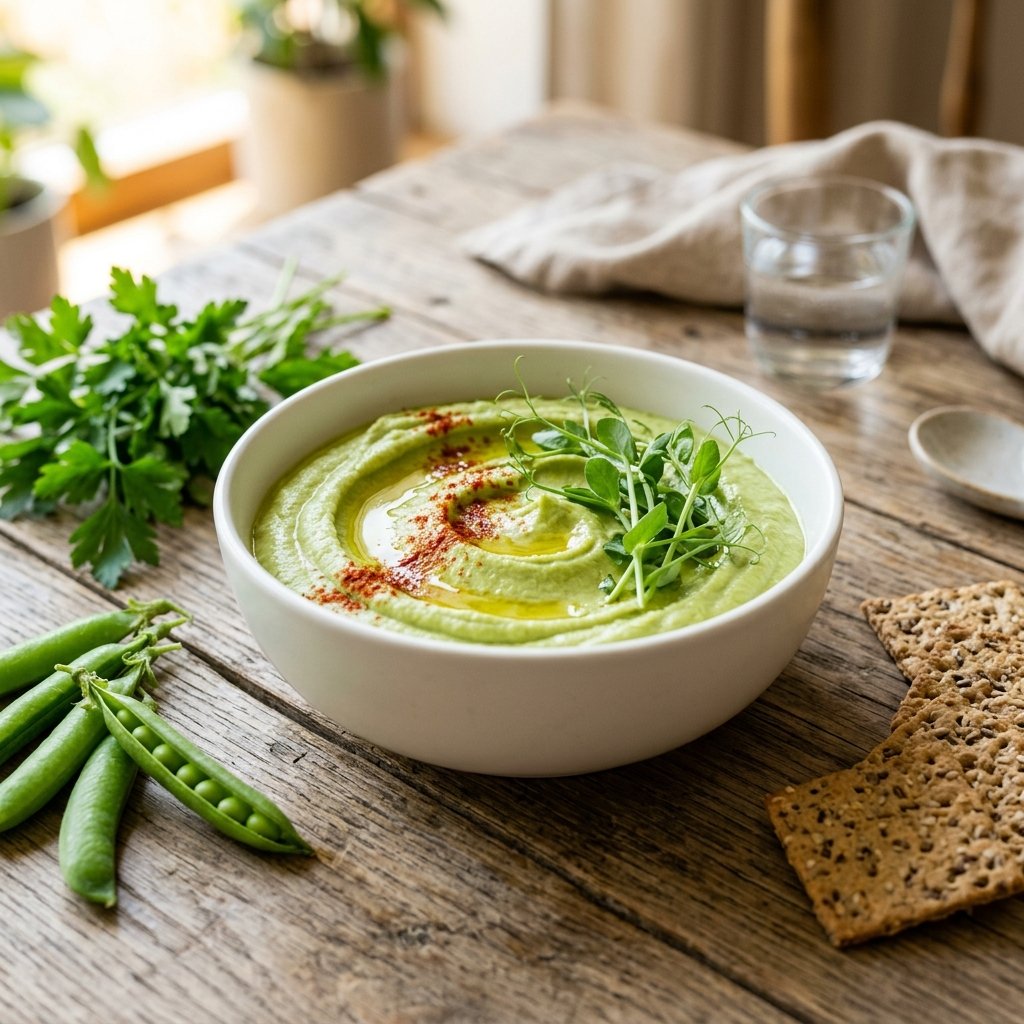
Pea protein hummus gives you a smooth, easy-to-eat spread that packs more protein than regular hummus. One serving has about 150 calories and 12 grams of protein. The pea protein powder blends right in without changing the classic hummus taste you love.
This recipe works great for seniors who need soft foods but want to keep their protein intake high. You can spread it on soft bread or use it as a dip for cooked vegetables.
Ingredients
- 1 can (15 oz) chickpeas, drained and rinsed
- 3 tablespoons tahini
- 2 tablespoons unflavored pea protein powder
- 3 tablespoons lemon juice
- 2 cloves garlic
- 3 tablespoons olive oil
- 1/4 teaspoon salt
- 1/4 cup water (or more for desired consistency)
Instructions
- Add the chickpeas, tahini, pea protein powder, lemon juice, and garlic to your food processor or blender.
- Blend on high for 30 seconds until the mixture starts to combine.
- With the blender running, slowly pour in the olive oil through the top opening.
- Add the salt and water, then blend for 2-3 minutes until completely smooth.
- Stop and scrape down the sides with a spatula, then blend again for another minute.
- Check the texture and add more water one tablespoon at a time if you want it smoother or thinner.
- Store in an airtight container in your refrigerator for up to 5 days.
Add a pinch of cumin or paprika for extra flavor without changing the smooth texture.
Smooth cashew-based cheese spread
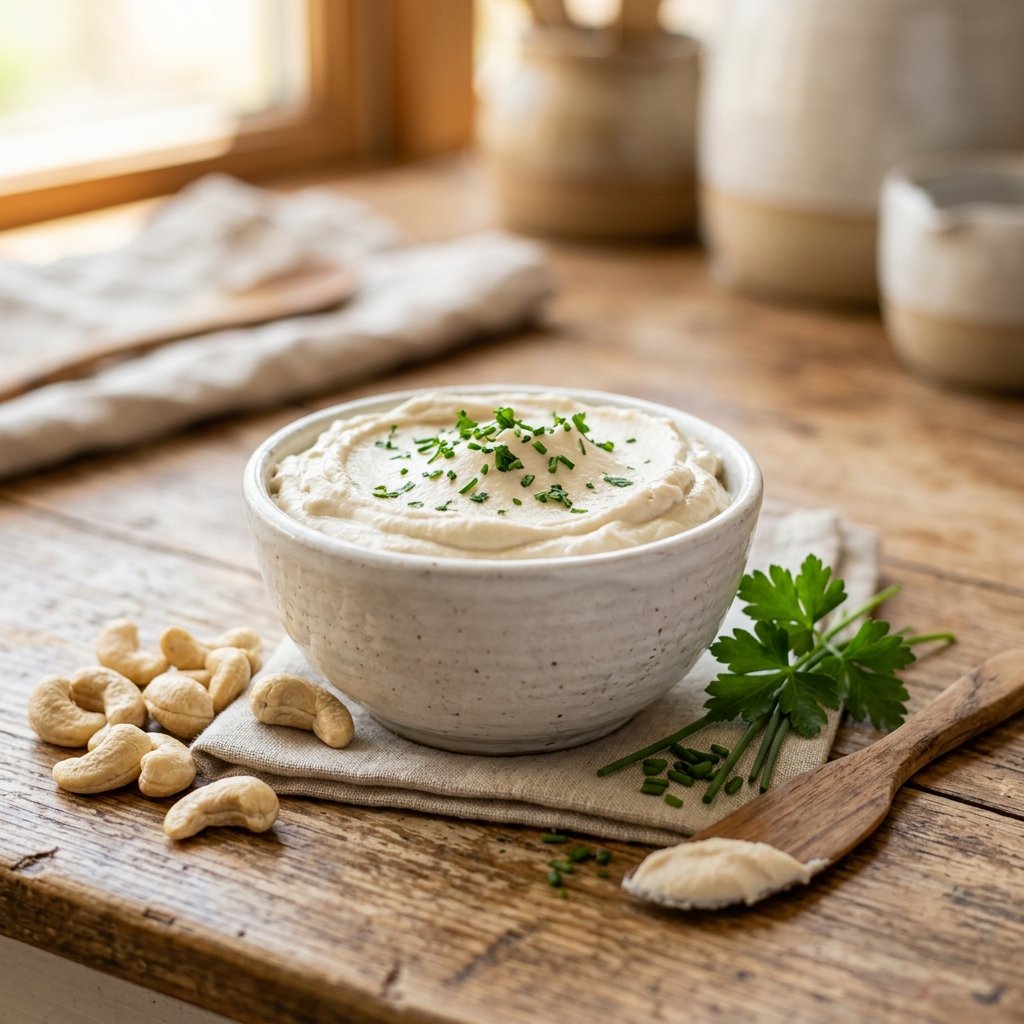
Cashew-Based Cheese Spread (120 calories | 4g protein per 2 tablespoons)
Cashew-based cheese spread gives you a creamy, protein-rich topping that's easy to swallow and digest. Raw cashews blend into a smooth texture that mimics traditional cheese spreads without any dairy. This spread works well on soft bread, crackers, or as a dip for steamed vegetables.
You can make a batch in just 10 minutes using a food processor or blender. The healthy fats in cashews help your body absorb vitamins while giving you steady energy throughout the day.
Ingredients
- 1 cup raw cashews, soaked in water for 2 hours
- 3 tablespoons nutritional yeast
- 2 tablespoons lemon juice
- 1 tablespoon white miso paste
- 1 clove garlic
- 1/2 teaspoon salt
- 1/4 cup water (plus more as needed)
Instructions
- Drain the soaked cashews and rinse them under cold water.
- Add cashews, nutritional yeast, lemon juice, miso paste, garlic, and salt to your blender or food processor.
- Pour in the water and blend on high speed for 2-3 minutes until completely smooth.
- Scrape down the sides with a spatula and blend again if you see any chunks.
- Add one tablespoon of water at a time if the spread seems too thick for your needs.
- Transfer the spread to a sealed container and refrigerate for at least 30 minutes before serving.
Add fresh herbs like chives or dill for extra flavor without changing the smooth texture.
Soft tempeh mashed with broth
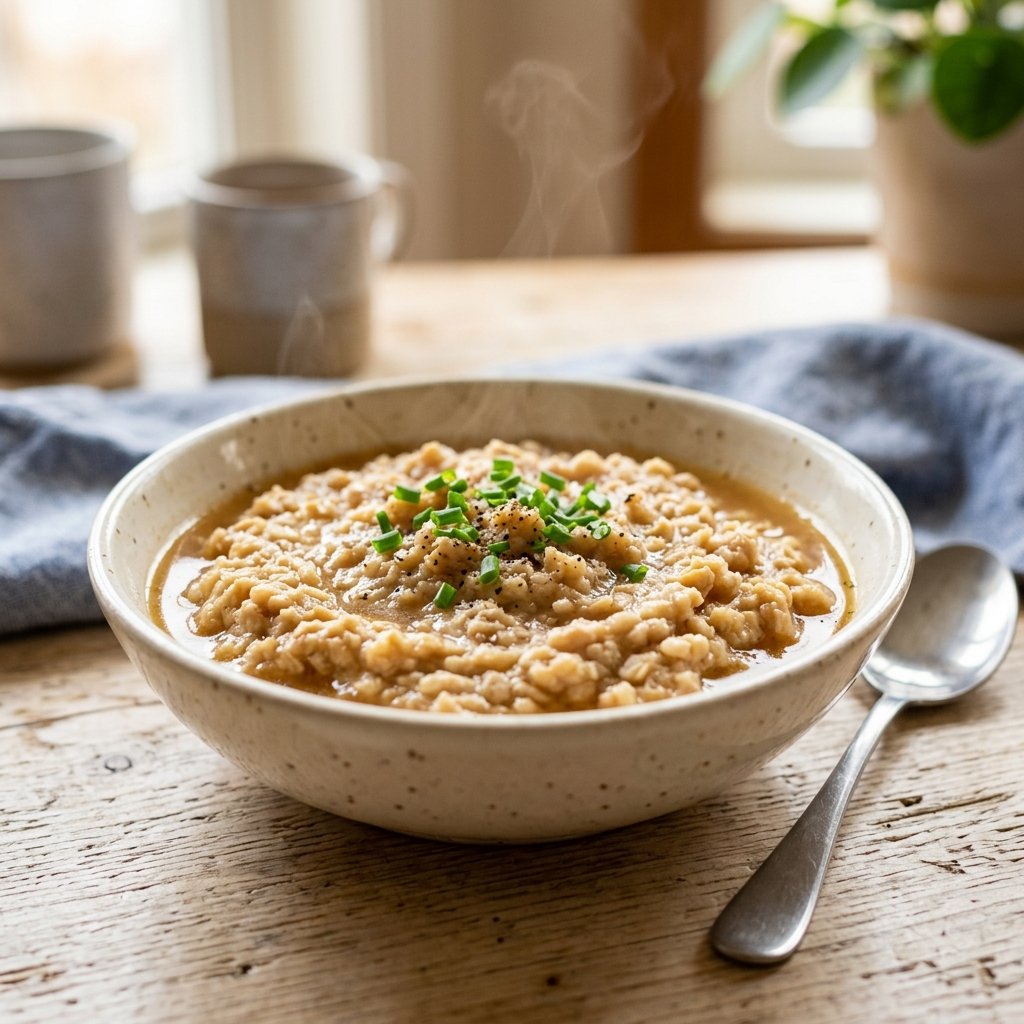
Mashed Tempeh with Vegetable Broth (180 calories | 16g protein per serving)
Tempeh is a fermented soy product that packs a solid protein punch in every bite. When you mash it with warm broth, it becomes incredibly soft and easy to chew. This recipe is perfect if you need gentle foods that still deliver the nutrients your body needs. The creamy texture makes it comfortable to eat while giving you plenty of plant-based protein.
Ingredients
- 8 oz tempeh
- 1 cup low-sodium vegetable broth
- 2 tablespoons olive oil
- 1/4 teaspoon garlic powder
- 1/4 teaspoon onion powder
- Salt and pepper to taste
- 1 tablespoon nutritional yeast (optional)
Instructions
- Cut the tempeh into small cubes and place them in a medium pot.
- Pour the vegetable broth over the tempeh and bring to a boil over medium-high heat.
- Reduce heat to low and simmer for 15 minutes until the tempeh is very soft.
- Drain most of the broth, leaving about 2 tablespoons in the pot.
- Add olive oil, garlic powder, onion powder, salt, and pepper to the pot.
- Use a fork or potato masher to mash everything together until you reach your desired consistency.
- Stir in nutritional yeast if you want a cheesy flavor boost.
- Serve warm as is or alongside cooked vegetables.
Add a splash of non-dairy milk while mashing for an even creamier texture.
White Bean and Avocado Mash
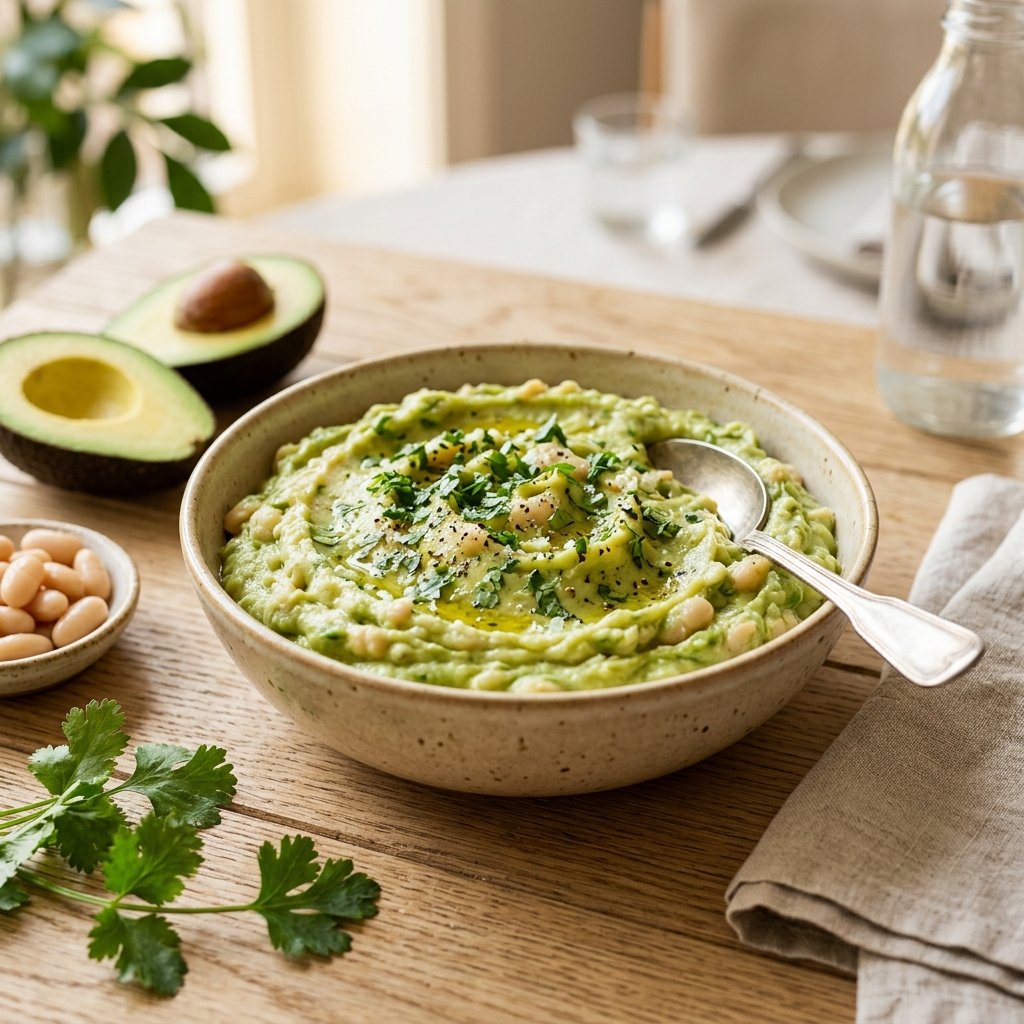
White Bean and Avocado Mash (220 calories | 9g protein per serving)
White beans deliver solid plant protein while avocado adds healthy fats and makes this dish super creamy. This mash requires no chewing effort and goes down easily for seniors with sensitive teeth or gums. You can eat it on its own, spread it on soft bread, or use it as a dip. It takes just five minutes to make and needs no cooking at all.
Ingredients
- 1 cup canned white beans, drained and rinsed
- 1 ripe avocado, peeled and pitted
- 2 tablespoons lemon juice
- 1 clove garlic, minced
- 2 tablespoons olive oil
- 1/4 teaspoon salt
- 1/8 teaspoon black pepper
- 2 tablespoons water
Instructions
- Add the white beans and avocado to a medium bowl.
- Mash them together with a fork until mostly smooth with a few small chunks remaining.
- Stir in the lemon juice, minced garlic, olive oil, salt, and pepper.
- Add water one tablespoon at a time and mix until you reach your desired creamy consistency.
- Taste and adjust seasoning if needed by adding more salt or lemon juice.
Add fresh herbs like parsley or cilantro for extra flavor without changing the soft texture.
Protein-enriched Oatly porridge
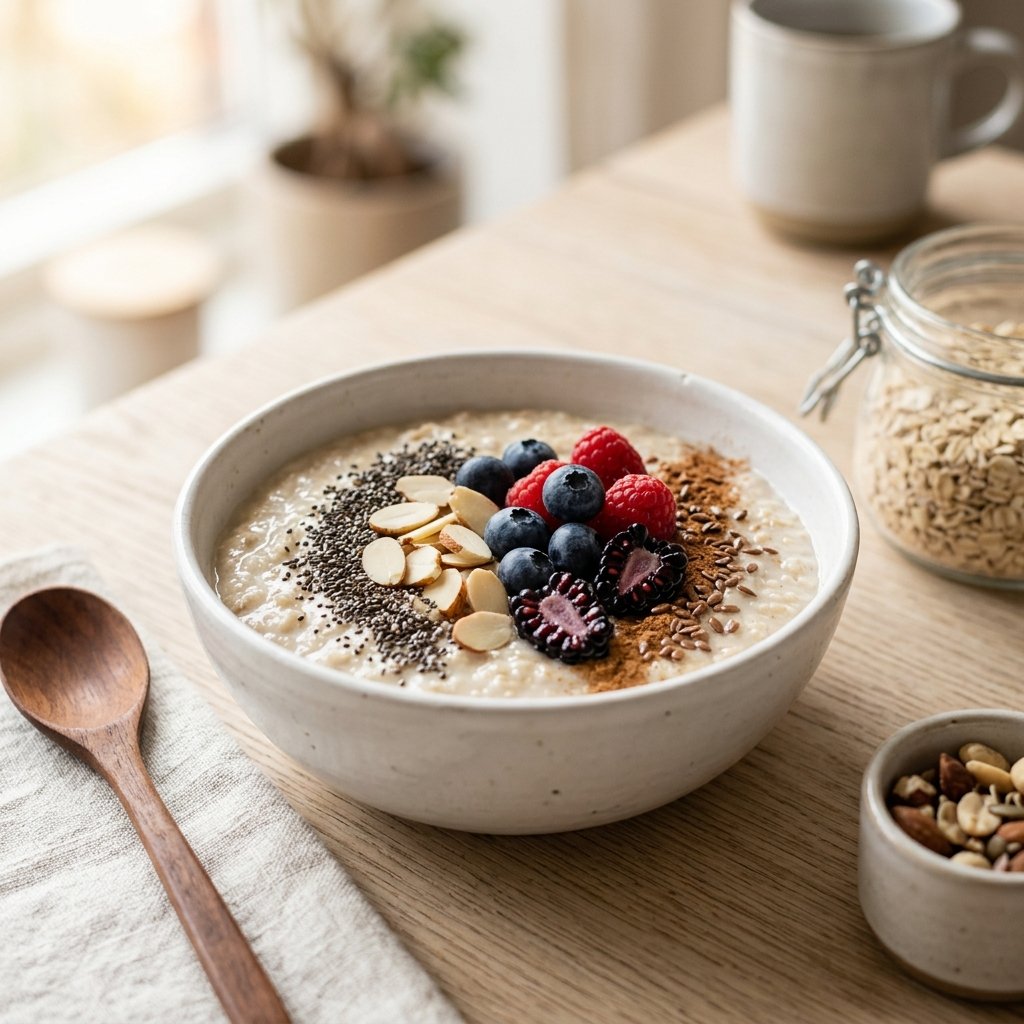
Protein-enriched Oatly porridge (220 calories | 12g protein per serving)
This creamy porridge combines Oatly oat milk with protein powder to create a soft, easy-to-swallow breakfast. The smooth texture makes it perfect for people who have trouble chewing tough foods. You can make it in just five minutes on the stovetop.
Oats naturally contain protein, but adding protein powder boosts the amount significantly. The warm, comforting texture is gentle on your mouth and throat.
Ingredients
- 1/2 cup rolled oats
- 1 cup Oatly oat milk (barista edition works best)
- 1 scoop vanilla vegan protein powder
- 1/4 teaspoon cinnamon
- 1 tablespoon maple syrup
- Pinch of salt
- 2 tablespoons mashed banana (optional)
Instructions
- Pour the oat milk into a small pot and heat it over medium heat until it starts to steam.
- Add the rolled oats and salt to the pot, then stir well.
- Cook for 3-4 minutes, stirring occasionally until the oats soften and absorb most of the liquid.
- Remove the pot from heat and let it cool for one minute.
- Stir in the protein powder until it dissolves completely with no lumps.
- Add the cinnamon and maple syrup, then mix everything together.
- If using mashed banana, fold it in gently for extra creaminess and natural sweetness.
Try adding a spoonful of almond butter on top for extra protein and healthy fats.
Silken Edamame Purée
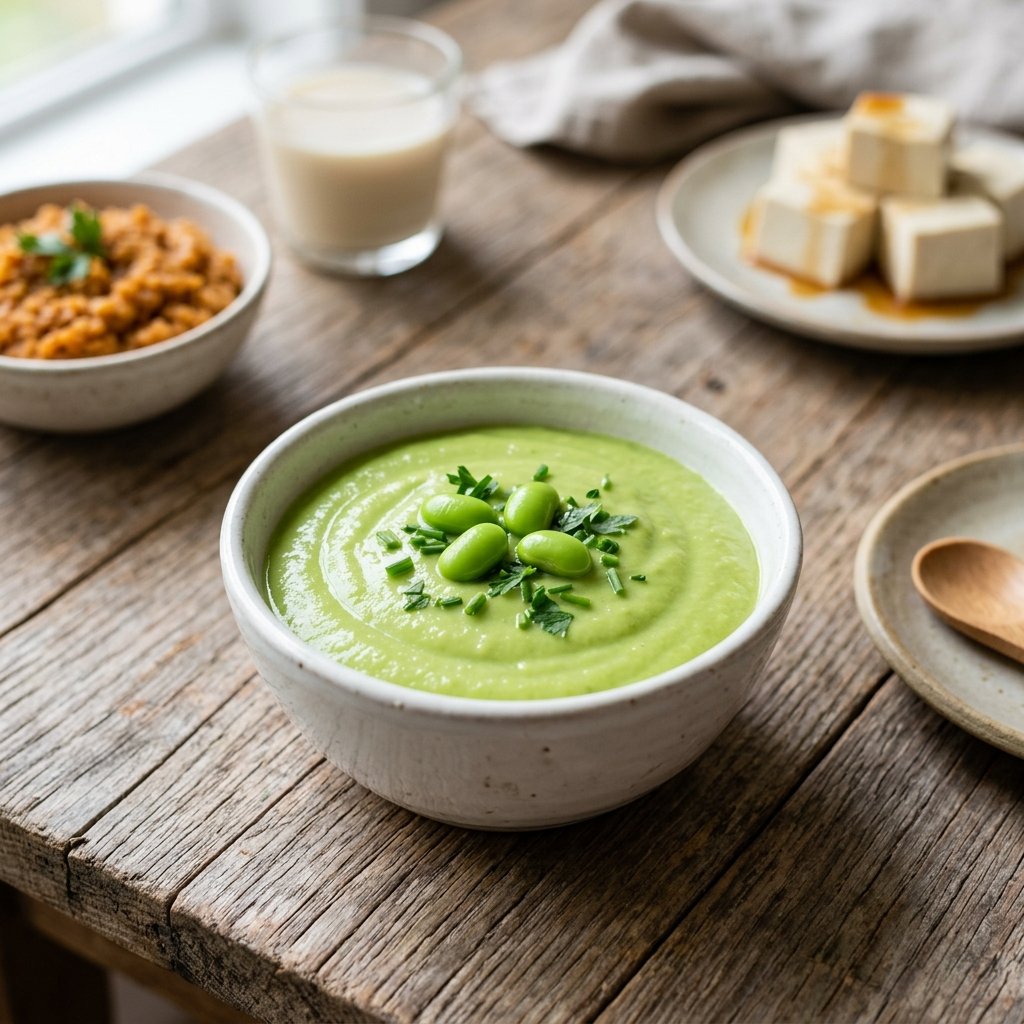
Silken Edamame Purée (120 calories | 11g protein per serving)
Edamame purée gives you a smooth and creamy way to get plant protein without any chewing. The young soybeans blend into a soft texture that goes down easy. This recipe works well as a side dish or a protein-rich spread. You can make it in under 15 minutes with just a few ingredients.
Ingredients
- 1 cup shelled edamame (fresh or frozen)
- 2 tablespoons silken tofu
- 1 tablespoon olive oil
- 2 tablespoons water
- 1 clove garlic
- 1/4 teaspoon salt
- 1 tablespoon lemon juice
Instructions
- Cook the edamame in boiling water for 5 minutes if frozen, or 3 minutes if fresh. Drain and let cool slightly.
- Add the cooked edamame, silken tofu, olive oil, water, garlic, salt, and lemon juice to a blender or food processor.
- Blend on high speed for 2-3 minutes until completely smooth. Stop and scrape down the sides if needed.
- Check the texture and add more water one tablespoon at a time if you want it thinner.
- Taste and adjust salt or lemon juice to your preference.
- Serve warm or cold as a side dish or spread.
Add a pinch of cumin or tahini for extra flavor without changing the soft texture.
Soft-baked black bean casserole (fork-tender)
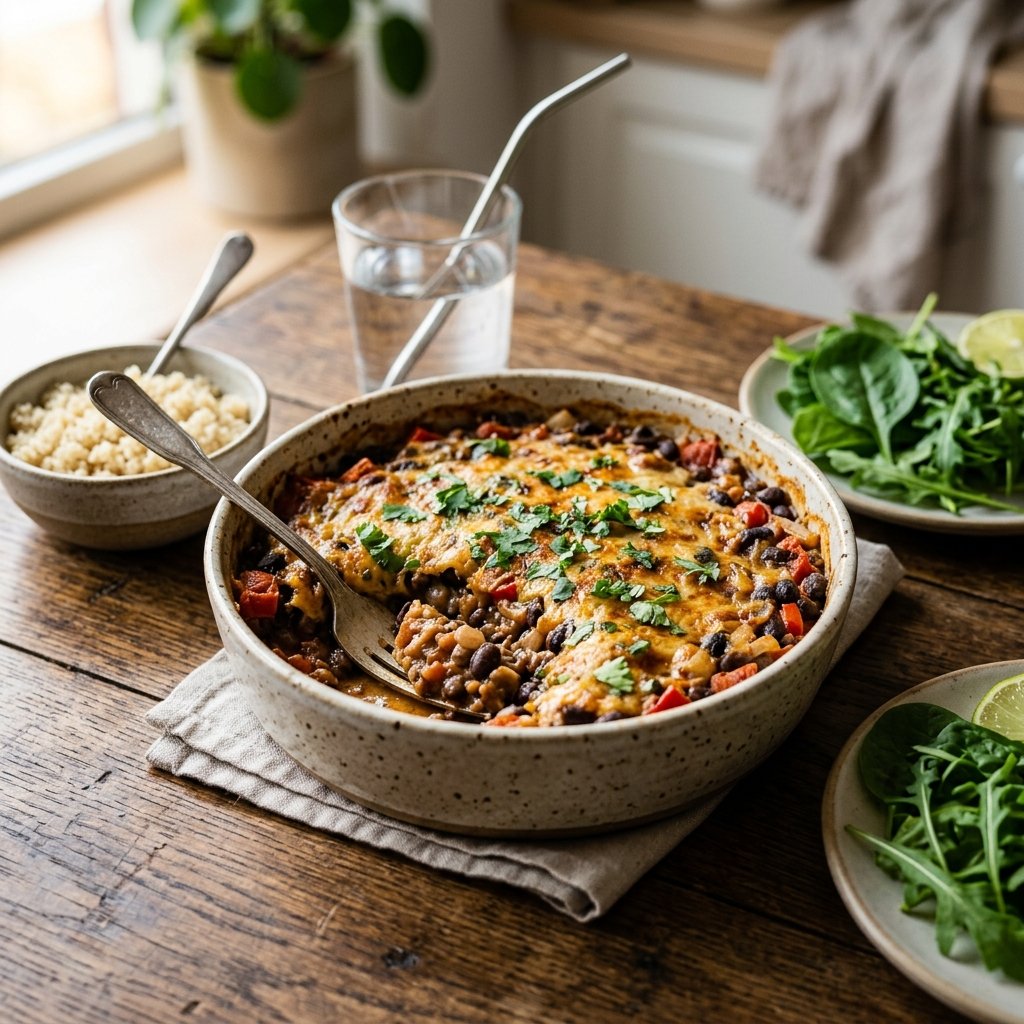
Soft-baked black bean casserole (fork-tender) (280 calories | 14g protein per serving)
This warm casserole uses black beans as the main protein source and bakes until everything turns soft and easy to chew. The beans break down during cooking to create a tender texture that needs only a fork. You can make a whole pan at once and reheat portions throughout the week.
Black beans provide complete nutrition with fiber and minerals alongside their protein content. The casserole stays moist from added broth and tomatoes, so it won't dry out your mouth.
Ingredients
- 2 cans (15 oz each) black beans, drained and rinsed
- 1 cup cooked brown rice
- 1 cup vegetable broth
- 1 can (14 oz) diced tomatoes
- 1/2 cup nutritional yeast
- 1 small onion, finely chopped
- 2 cloves garlic, minced
- 1 teaspoon cumin
- 1/2 teaspoon paprika
- 1/4 teaspoon salt
- 2 tablespoons olive oil
Instructions
- Preheat your oven to 350°F and lightly grease a 9x9 inch baking dish with cooking spray.
- Heat olive oil in a pan over medium heat and cook the onion for 5 minutes until soft.
- Add garlic and cook for 1 more minute until you smell the aroma.
- Mix the black beans, cooked rice, vegetable broth, tomatoes, nutritional yeast, cooked onion and garlic, cumin, paprika, and salt in a large bowl.
- Pour the mixture into your prepared baking dish and spread it evenly.
- Cover the dish with foil and bake for 35 minutes.
- Remove the foil and bake for another 10 minutes to let the top set slightly.
- Let the casserole cool for 5 minutes before serving so it firms up just enough to scoop.
Add a dollop of mashed avocado on top for extra healthy fats and creaminess.
Blended Kidney Bean and Sweet Potato Soup
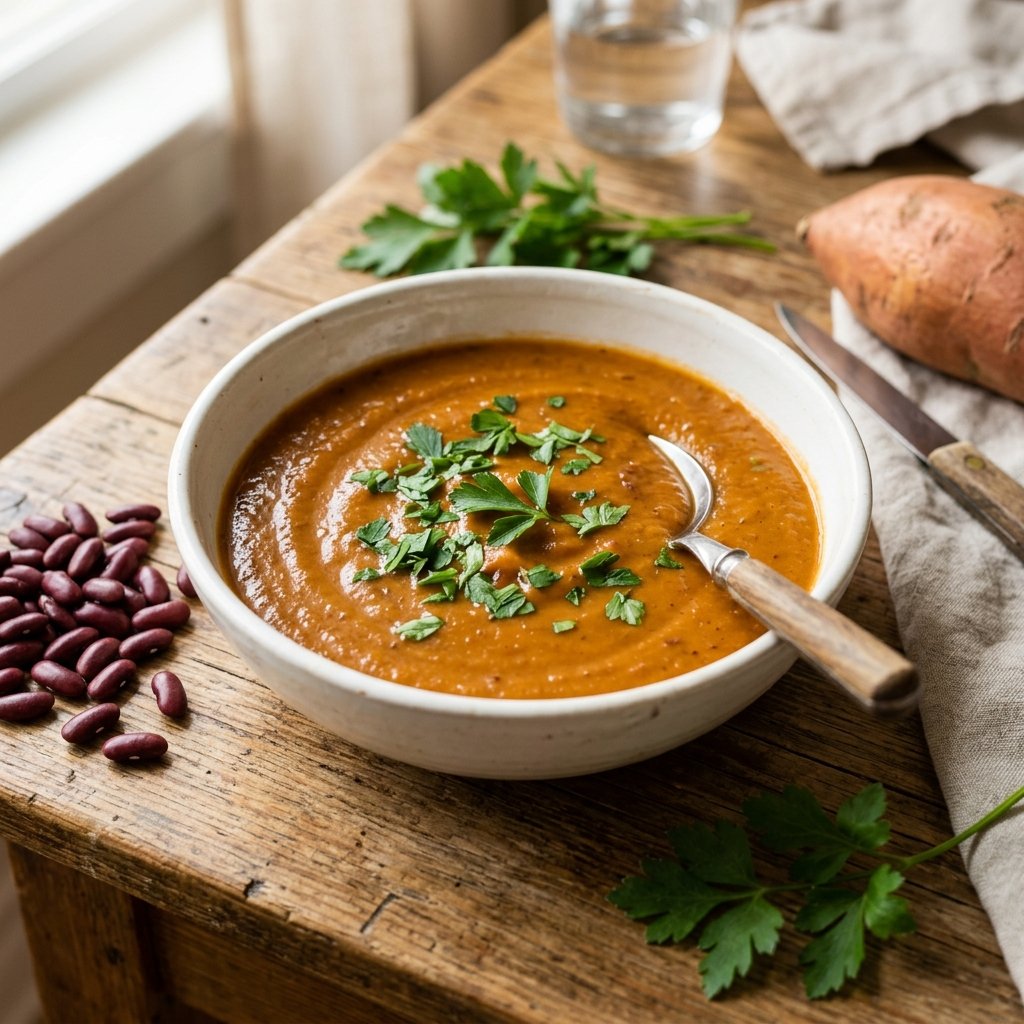
Blended Kidney Bean and Sweet Potato Soup (280 calories | 12g protein per serving)
This smooth and creamy soup combines kidney beans and sweet potatoes into a soft meal that's easy to eat. The kidney beans provide plant-based protein while the sweet potatoes add natural sweetness and make the texture velvety. You can make a big batch and freeze individual portions for quick meals throughout the week. The warm, comforting flavors work well any time of year.
Ingredients
- 1 can (15 oz) kidney beans, drained and rinsed
- 2 medium sweet potatoes, peeled and cubed
- 1 small onion, chopped
- 2 cloves garlic, minced
- 3 cups low-sodium vegetable broth
- 1 tablespoon olive oil
- 1 teaspoon cumin
- 1/2 teaspoon paprika
- Salt and pepper to taste
Instructions
- Heat olive oil in a large pot over medium heat and add the chopped onion.
- Cook the onion for 3 minutes until soft, then add the garlic and cook for 1 more minute.
- Add the cubed sweet potatoes, kidney beans, vegetable broth, cumin, and paprika to the pot.
- Bring the mixture to a boil, then reduce heat and simmer for 20 minutes until the sweet potatoes are very soft.
- Remove the pot from heat and use an immersion blender to blend everything until completely smooth.
- Add salt and pepper to taste and blend again if needed to reach your desired consistency.
- Serve warm and store leftovers in the refrigerator for up to 4 days.
Add a tablespoon of nutritional yeast before blending to boost the protein content and add a slightly cheesy flavor.
Smooth Hemp-seed and Banana Smoothie
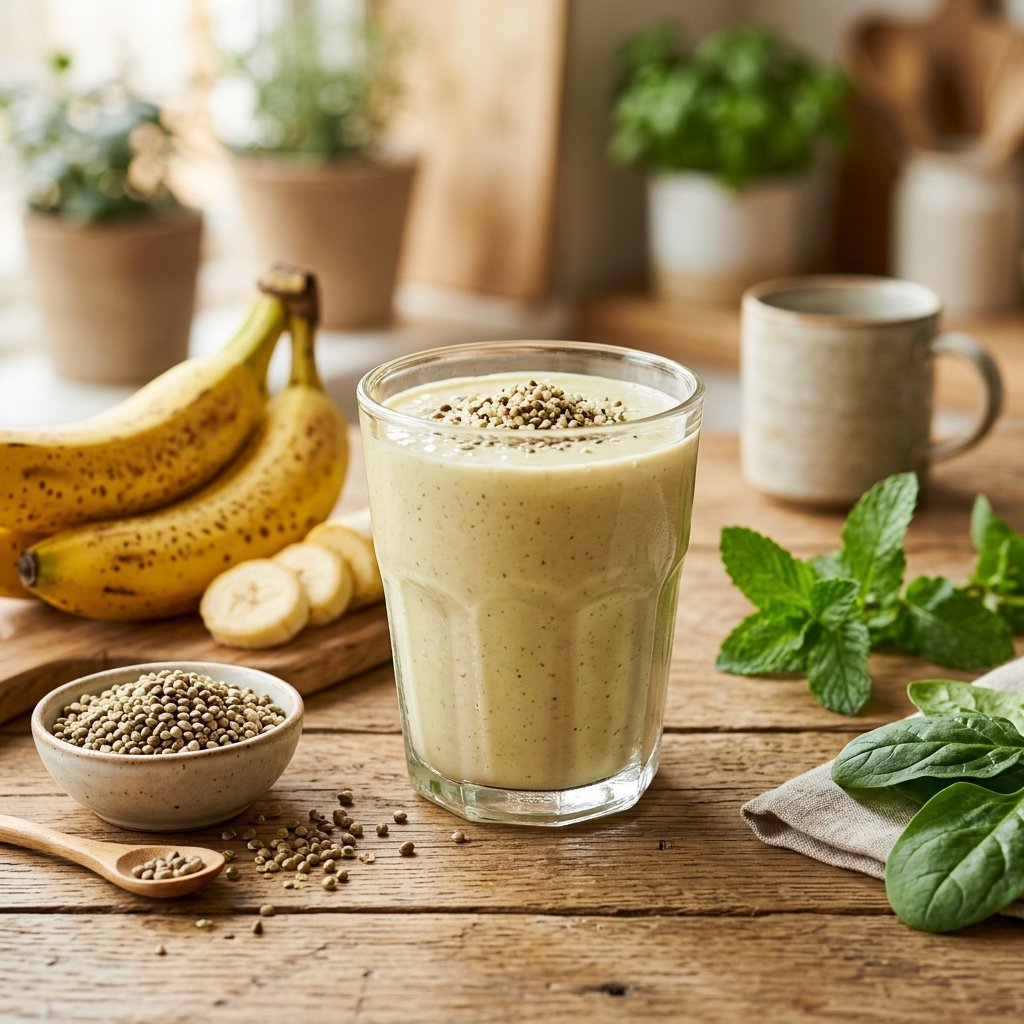
Smooth Hemp-seed and Banana Smoothie (280 calories | 12g protein per serving)
Hemp seeds pack a complete protein punch while blending into a silky texture that's perfect for sore gums or missing teeth. This smoothie gives you healthy fats and fiber along with the protein boost. The frozen banana makes it thick and sweet without any added sugar.
Ingredients
- 3 tablespoons hemp seeds
- 1 large frozen banana
- 1 cup unsweetened almond milk
- 1 tablespoon almond butter
- 1/2 teaspoon vanilla extract
- 1/4 teaspoon cinnamon
- 3-4 ice cubes (optional, for thickness)
Instructions
- Add the almond milk to your blender first to prevent sticking.
- Break the frozen banana into chunks and drop them into the blender.
- Add the hemp seeds, almond butter, vanilla extract, and cinnamon.
- Blend on high speed for 45-60 seconds until completely smooth with no visible seeds.
- Add ice cubes if you want it thicker and blend for another 15 seconds.
- Pour into a glass and drink right away while it's cold and creamy.
Add a handful of fresh spinach for extra nutrients without changing the sweet taste.
Soft Mashed Quinoa with Almond Butter
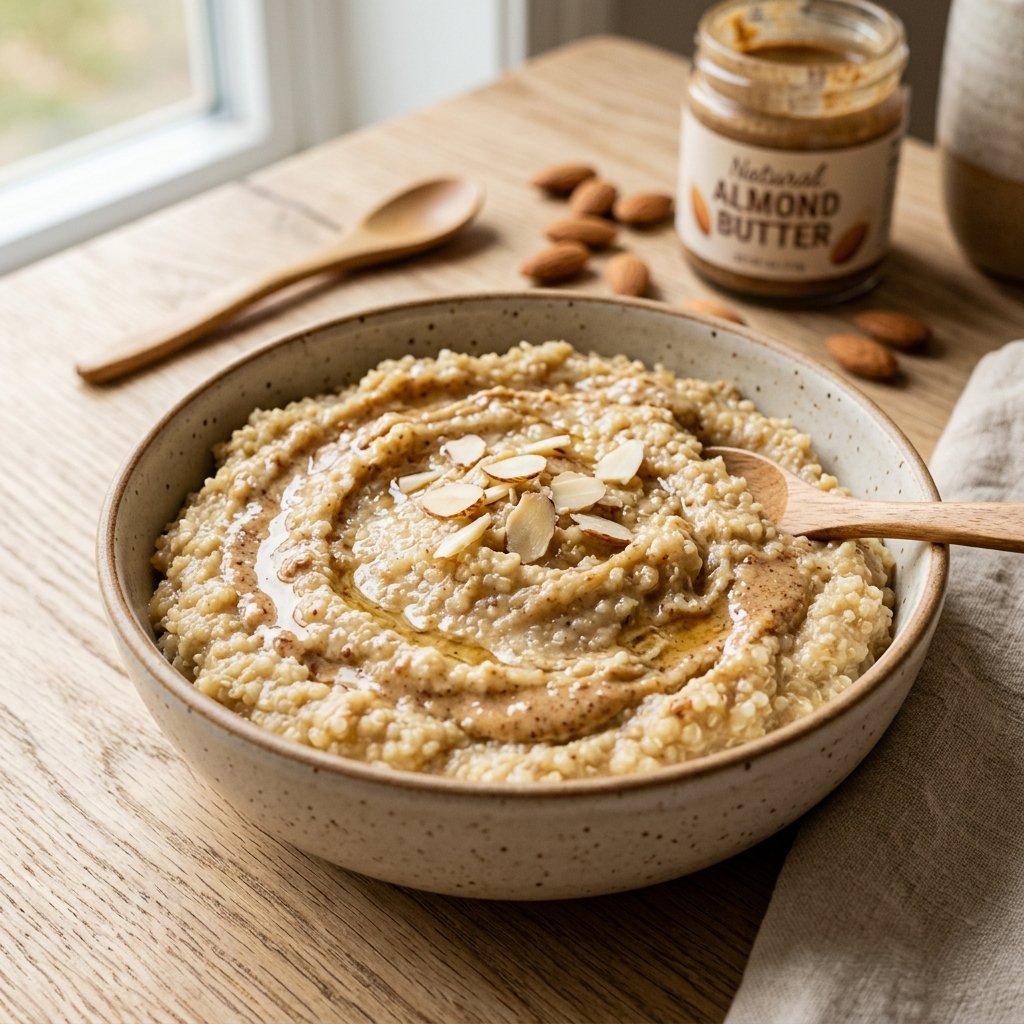
Soft mashed quinoa with almond butter provides about 280 calories and 12 grams of protein per serving. Quinoa is a complete protein that contains all nine essential amino acids your body needs. The almond butter adds healthy fats and extra protein while making the texture creamy and smooth for easy eating.
Ingredients
- 1/2 cup uncooked quinoa
- 1 cup water or vegetable broth
- 2 tablespoons almond butter
- 1 tablespoon maple syrup
- 1/4 teaspoon cinnamon
- Pinch of salt
- 2 tablespoons plant-based milk
Instructions
- Rinse the quinoa under cold water in a fine mesh strainer for 30 seconds.
- Add the quinoa and water or broth to a small pot and bring to a boil over medium-high heat.
- Lower the heat to low, cover with a lid, and simmer for 15 minutes until the liquid is absorbed.
- Remove from heat and let it sit covered for 5 minutes to steam.
- Add the almond butter, maple syrup, cinnamon, and salt to the cooked quinoa.
- Mash everything together with a fork or potato masher until you reach a soft, porridge-like consistency.
- Stir in the plant-based milk to make it even creamier and easier to swallow.
You can use any nut or seed butter you prefer, like cashew butter or sunflower seed butter for different flavors.
Benefits of Protein for Seniors

Protein plays a critical role in keeping your body strong and healthy as you age. It helps maintain muscle mass, speeds up recovery from illness or injury, and keeps your bones dense and resilient.
Supporting Muscle Strength
Your muscles naturally lose mass and strength as you get older, a condition called sarcopenia. This muscle loss can start as early as your 30s and speeds up after age 60.
Protein gives your body the amino acids it needs to build and maintain muscle tissue. When you eat enough protein, you slow down muscle loss and can even build new muscle when combined with light exercise.
Most seniors need more protein than younger adults to maintain the same muscle mass. Experts recommend that people over 65 eat about 1.0 to 1.2 grams of protein per kilogram of body weight each day. This means if you weigh 150 pounds (68 kg), you should aim for 68 to 82 grams of protein daily.
Strong muscles help you stay independent longer. They make everyday tasks like climbing stairs, carrying groceries, and getting up from a chair much easier.
Promoting Recovery and Healing
Your body needs extra protein when you're recovering from surgery, illness, or injury. Protein helps repair damaged tissues and supports your immune system during healing.
Wounds heal faster when you eat enough protein. The amino acids in protein form new skin cells and connective tissue to close cuts and surgical incisions. Low protein intake can lead to slow wound healing and increase your risk of infection.
Protein also helps you bounce back from common illnesses like colds and flu. Your immune system uses protein to make antibodies that fight off germs and viruses.
If you've been sick or had a hospital stay, your protein needs go up temporarily. You might need 1.5 grams of protein per kilogram of body weight during recovery periods.
Maintaining Bone Health
Protein works together with calcium and vitamin D to keep your bones strong. About 50% of your bone volume is made up of protein.
Studies show that seniors who eat more protein have higher bone density and fewer hip fractures. Protein helps your body absorb calcium more effectively and stimulates the production of a hormone called IGF-1 that promotes bone growth.
Low protein intake can actually weaken your bones over time. When you don't eat enough protein, your body breaks down muscle and bone tissue to get the amino acids it needs for vital functions.
Aim to spread your protein intake throughout the day rather than eating it all at once. Your bones benefit most when you give them a steady supply of protein at each meal.
Tips for Making Plant-Based Meals Easier to Chew
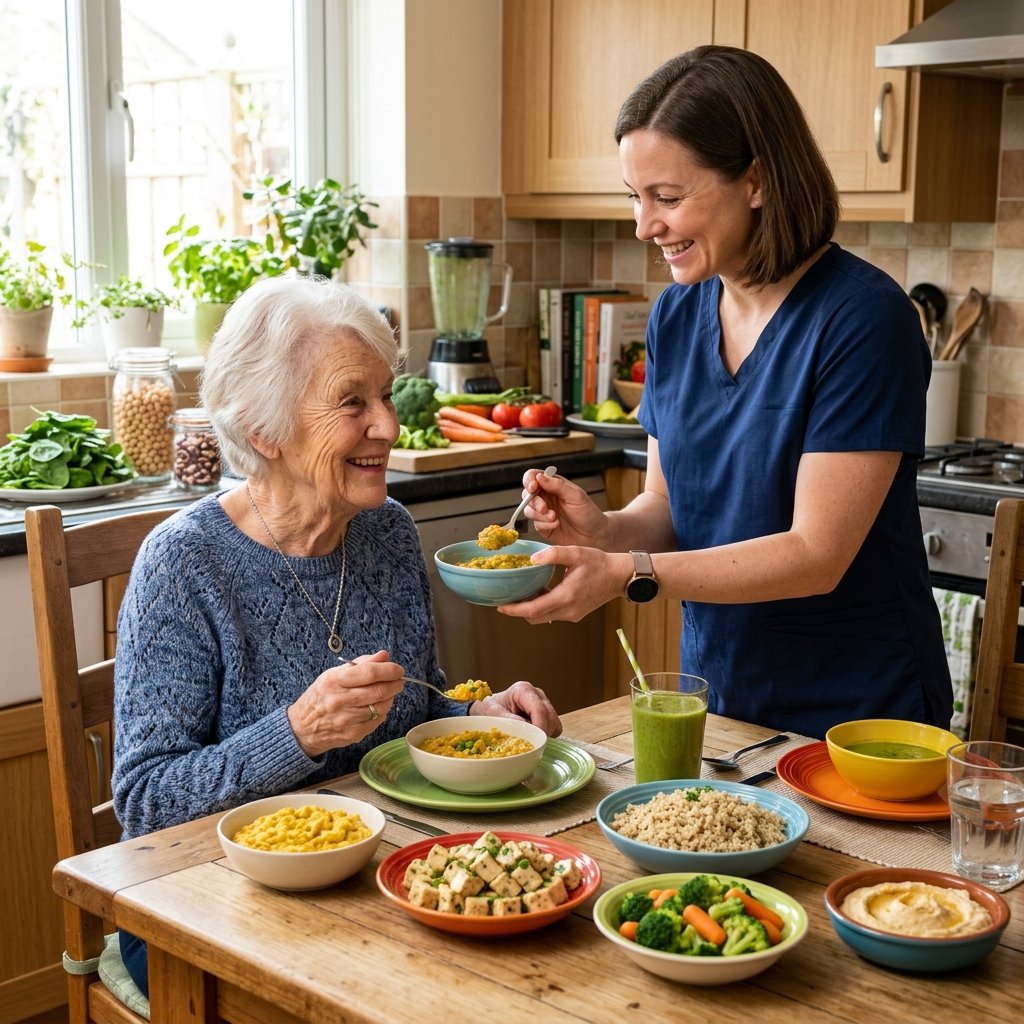
Cooking methods and preparation techniques can turn tough plant foods into soft, easy-to-eat meals. The right tools and simple changes to how you prepare ingredients make a big difference in texture without losing protein or flavor.
Ingredient Preparation Techniques
Cooking plant-based proteins longer and with more liquid makes them much softer. Lentils and split peas become very tender when you simmer them for an extra 10-15 minutes past the package directions. You can also soak dried beans overnight before cooking to help them get softer.
Tofu works well for people who have trouble chewing because it's naturally soft. Press extra-firm tofu to remove water, then cook it in broth or sauce until it breaks apart easily with a fork. Silken tofu needs no preparation at all and mashes smoothly.
Chickpeas and beans become easier to eat when you remove the outer skins. Just rub cooked beans gently between your fingers under water and the skins slip off. Steam or roast vegetables until they're very soft instead of leaving them crisp.
Cut all ingredients into very small pieces before cooking. Dice vegetables into quarter-inch cubes or smaller so they cook faster and become more tender.
Pureeing and Blending Options
A food processor or blender turns any cooked plant protein into a smooth paste. Add small amounts of vegetable broth, plant milk, or cooking liquid while blending to get the texture you want. White beans, chickpeas, and lentils all blend into creamy spreads that are high in protein.
You can make hummus thinner by adding more tahini and lemon juice. Blend it for 3-4 minutes until completely smooth with no chunks. Black bean dip, white bean spread, and edamame hummus work the same way.
An immersion blender lets you puree soups and stews right in the pot. This keeps more protein in your meal compared to straining out solid pieces. Blend cooked tofu into smoothies with fruit and plant milk for a protein boost that's completely smooth.
Nut and seed butters give you protein without any chewing needed. Blend soaked cashews or almonds with water to make your own cream sauces for pasta or vegetables.
Flavor Enhancement Without Added Texture
Nutritional yeast adds a cheesy taste and extra protein without changing how soft your food is. Sprinkle it on mashed beans, pureed soups, or blended vegetables. Two tablespoons give you 8 grams of protein.
Miso paste dissolves completely in warm liquids and adds deep flavor to broths and sauces. It also contains protein and makes bland soft foods taste better. Stir it into pureed bean soups or use it as a base for smooth gravies.
Liquid aminos and tamari are like soy sauce but you can control how salty they are more easily. They soak into soft tofu and add flavor to pureed lentils without any bits or chunks. Vegetable broth works better than water for thinning pureed foods because it adds taste.
Fresh herbs lose their texture when you mince them very fine or blend them into sauces. Dried spices like cumin, garlic powder, and smoked paprika dissolve completely and make soft foods more interesting to eat.