High Protein Vegan Meals for Elderly That Are Easy to Chew: Soft, Delicious Recipes Packed with 20g+ Plant-Based Protein

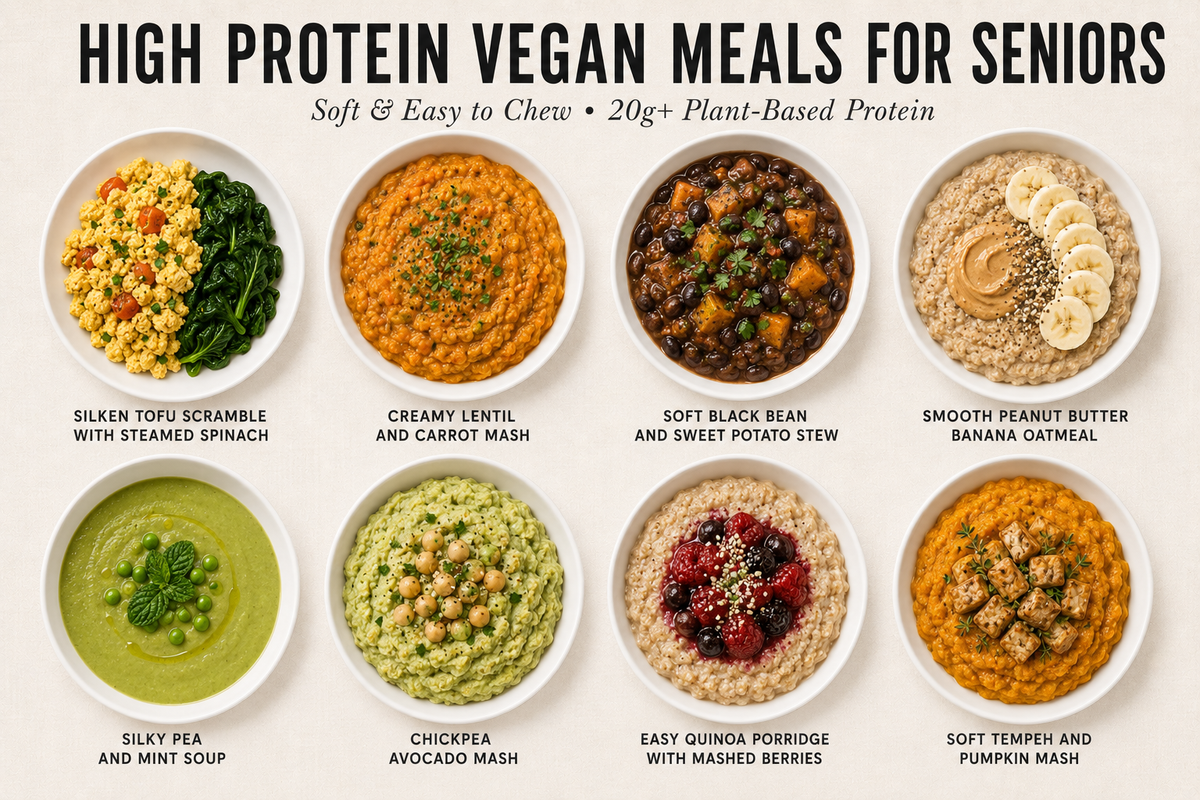
Getting enough protein becomes more important as you age, but many older adults struggle with chewing tough foods. A vegan diet can still provide all the protein you need, even when meals must be soft and easy to eat.
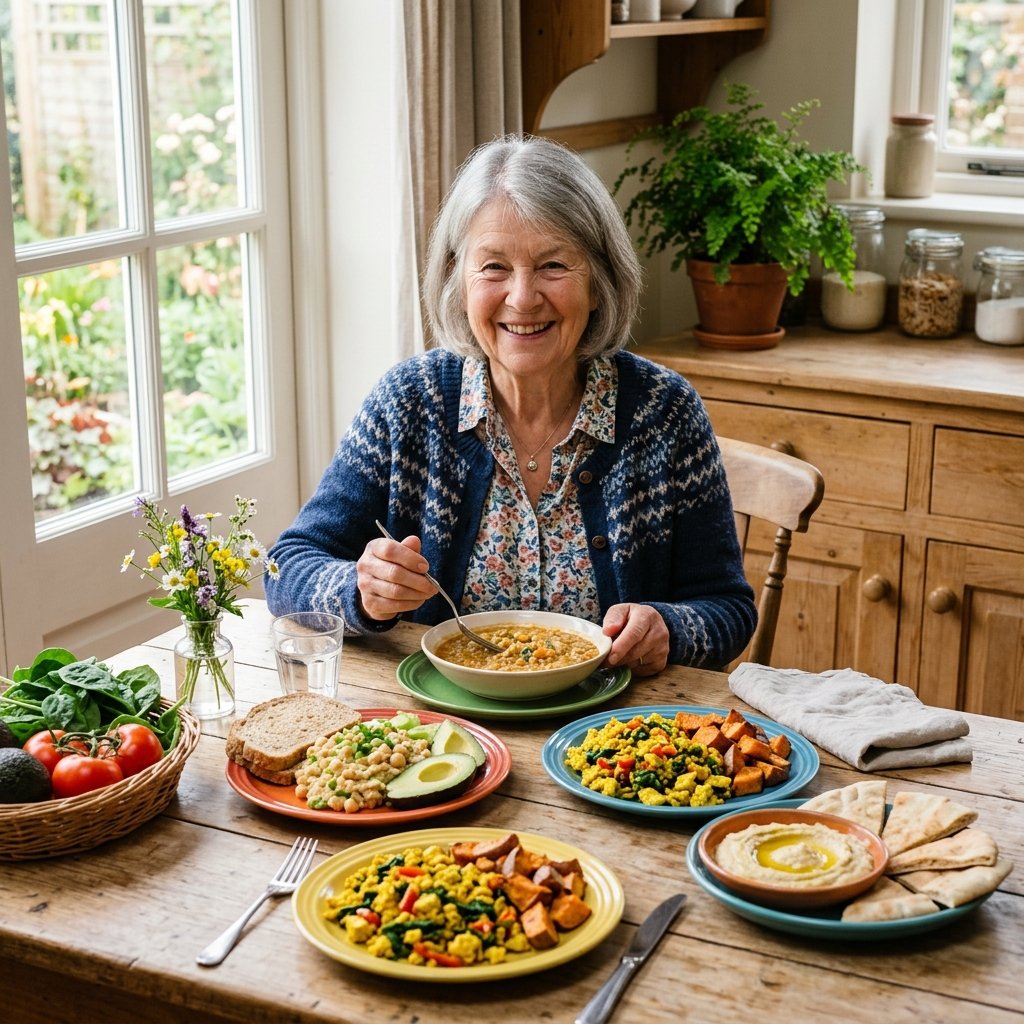
This article shares ten high-protein vegan meals designed specifically for people who need softer textures, along with tips to make any plant-based dish easier to chew. You'll find recipes that blend nutrition with comfort, using ingredients like tofu, lentils, chickpeas, and beans prepared in ways that are gentle on your mouth. Each meal delivers the protein your body needs without requiring hard chewing or tough textures.
Silken tofu scramble with soft steamed spinach
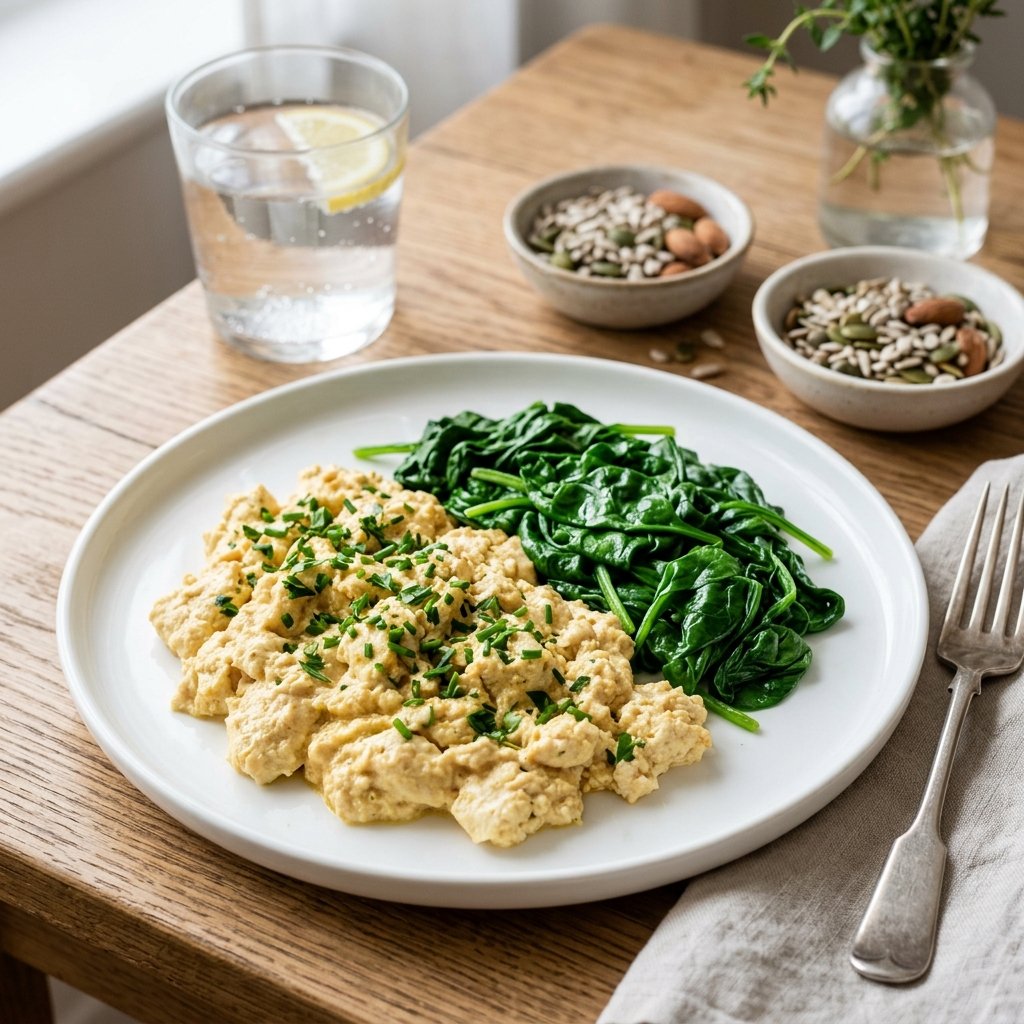
Silken tofu scramble delivers around 180 calories and 15 grams of protein per serving. The soft texture makes it perfect for anyone who needs meals that are gentle on the teeth. This dish cooks quickly and provides complete protein along with iron from the spinach.
Ingredients
- 14 oz silken tofu
- 2 cups fresh spinach
- 1 tablespoon olive oil
- 1/4 teaspoon turmeric powder
- 1/4 teaspoon garlic powder
- 1/8 teaspoon black salt (or regular salt)
- 2 tablespoons nutritional yeast
- 2 tablespoons unsweetened plant milk
Instructions
- Heat the olive oil in a non-stick pan over medium-low heat.
- Gently scoop the silken tofu into the pan and break it into soft, small pieces with a spatula.
- Add the turmeric, garlic powder, and salt to the tofu and stir gently to combine.
- Pour in the plant milk and nutritional yeast, then cook for 3-4 minutes while stirring occasionally.
- Steam the spinach in a separate pot with a small amount of water for 2-3 minutes until wilted and very soft.
- Drain the spinach well and chop it into small pieces.
- Add the chopped spinach to the tofu scramble and mix everything together.
- Cook for another 1-2 minutes until heated through, then remove from heat.
Add a pinch of paprika on top for extra flavor, or mix in some mashed white beans for additional protein and creaminess.
Creamy lentil and carrot mash
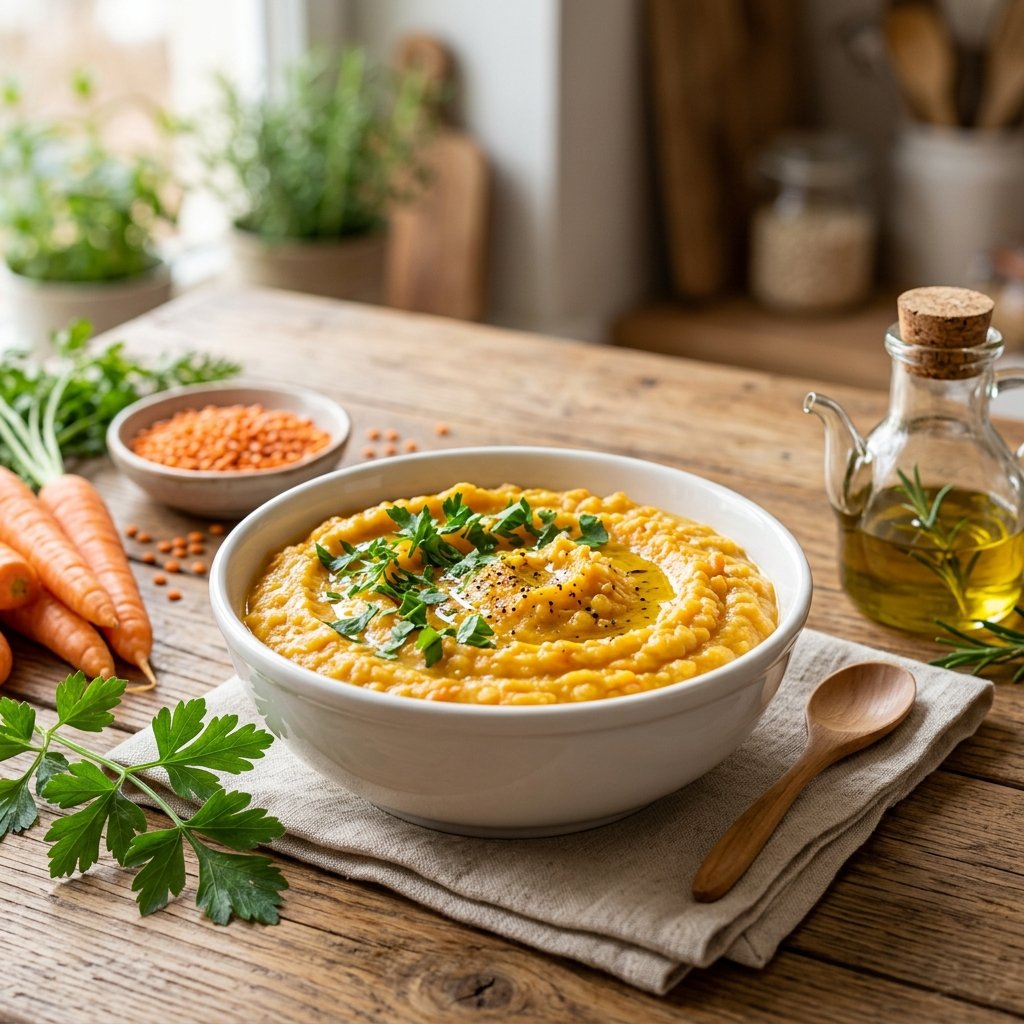
Creamy Lentil and Carrot Mash (280 calories | 14g protein per serving)
This soft and smooth dish combines red lentils with tender carrots to create a protein-rich meal that's gentle on your mouth. Red lentils break down easily during cooking, making them perfect for a creamy texture without any tough bits. The carrots add natural sweetness and extra vitamins while keeping the mash easy to swallow.
This recipe works well as a main dish or side, and you can adjust the thickness to match your needs.
Ingredients
- 1 cup dry red lentils
- 2 large carrots, peeled and chopped
- 3 cups vegetable broth
- 2 tablespoons olive oil
- 1 teaspoon garlic powder
- 1/2 teaspoon cumin
- 1/4 teaspoon salt
- 2 tablespoons nutritional yeast
- 1/4 cup unsweetened plant milk
Instructions
- Rinse the red lentils in cold water using a fine mesh strainer.
- Add the lentils, chopped carrots, and vegetable broth to a medium pot. Bring to a boil over high heat.
- Reduce heat to medium-low and simmer for 20-25 minutes until the lentils and carrots are very soft.
- Drain any excess liquid, leaving just a small amount in the pot.
- Add the olive oil, garlic powder, cumin, salt, and nutritional yeast to the pot.
- Use a potato masher or immersion blender to mash everything until smooth and creamy.
- Stir in the plant milk a little at a time until you reach your desired consistency.
- Taste and add more salt if needed before serving warm.
Add a tablespoon of tahini for extra creaminess and a boost of healthy fats and protein.
Chickpea and avocado salad (mashed chickpeas)
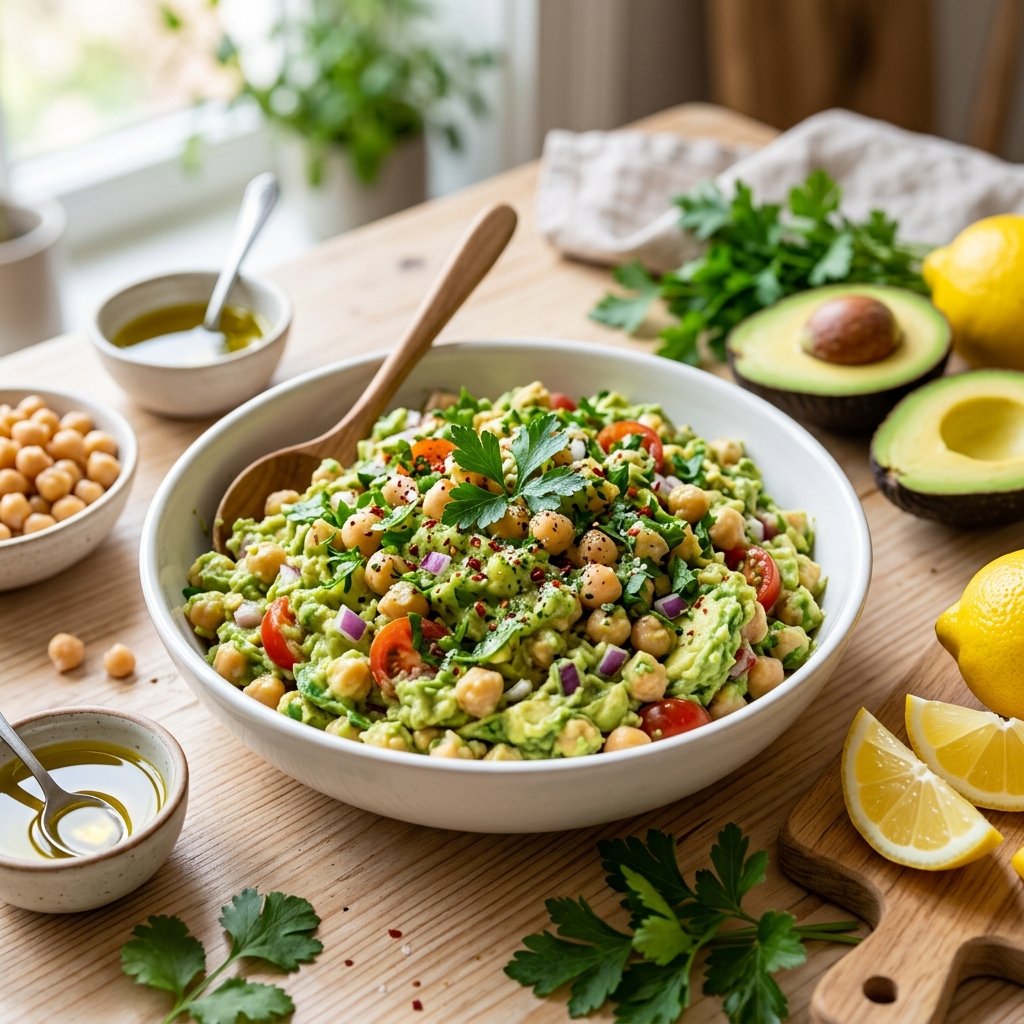
Chickpea and avocado salad (mashed chickpeas) (280 calories | 12g protein per serving)
This creamy chickpea and avocado salad gives you a soft, easy-to-chew meal that packs in plant protein. The mashed chickpeas blend with ripe avocado to create a smooth texture that's gentle on your mouth. You get healthy fats from the avocado along with fiber and protein from the chickpeas.
This recipe works great as a light lunch or snack. You can eat it on its own or spread it on soft bread.
Ingredients
- 1 can (15 oz) chickpeas, drained and rinsed
- 1 ripe avocado
- 2 tablespoons lemon juice
- 1 tablespoon olive oil
- 1/4 teaspoon garlic powder
- 1/4 teaspoon salt
- 1/8 teaspoon black pepper
- 2 tablespoons fresh parsley, chopped (optional)
Instructions
- Place the drained chickpeas in a medium bowl and mash them with a fork until they reach a chunky paste consistency.
- Cut the avocado in half, remove the pit, and scoop the flesh into the bowl with the chickpeas.
- Mash the avocado together with the chickpeas until the mixture is smooth and creamy.
- Add the lemon juice, olive oil, garlic powder, salt, and pepper to the bowl.
- Stir everything together until well combined and taste to adjust seasoning if needed.
- Mix in the fresh parsley if you're using it.
- Serve right away or cover and refrigerate for up to 2 days.
Add a tablespoon of tahini for extra creaminess and a boost of calcium.
Soft Black Bean and Sweet Potato Stew
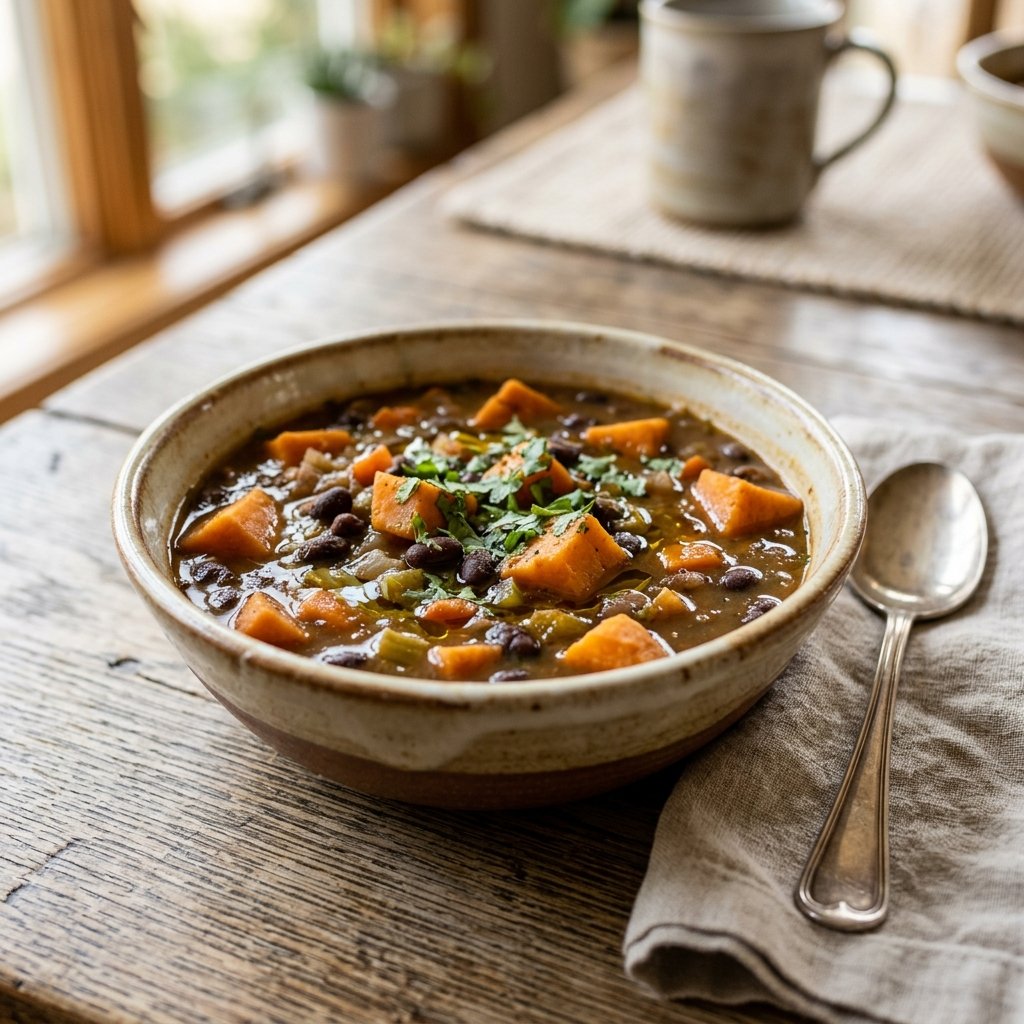
Soft Black Bean and Sweet Potato Stew (280 calories | 12g protein per serving)
This warm stew combines tender sweet potatoes with protein-rich black beans in a soft, easy-to-chew format. Black beans provide both protein and fiber, while sweet potatoes add natural sweetness and vitamin A. The stew cooks down to a gentle texture that requires minimal chewing effort. It's ideal if you want a filling meal that's nutritious and easy on your jaw.
Ingredients
- 1 tablespoon olive oil
- 1 small onion, diced
- 2 cloves garlic, minced
- 2 medium sweet potatoes, peeled and cubed
- 1 can (15 oz) black beans, drained and rinsed
- 2 cups vegetable broth
- 1 teaspoon cumin
- 1/2 teaspoon paprika
- 1/4 teaspoon salt
- 1/4 teaspoon black pepper
- 1 cup diced tomatoes
- 1 tablespoon lime juice
Instructions
- Heat the olive oil in a large pot over medium heat.
- Add the diced onion and cook for 3 minutes until it softens.
- Stir in the minced garlic and cook for 30 seconds until fragrant.
- Add the cubed sweet potatoes, black beans, vegetable broth, cumin, paprika, salt, and pepper to the pot.
- Bring the mixture to a boil, then reduce heat to low and cover.
- Simmer for 20-25 minutes until the sweet potatoes are very soft and easy to mash with a spoon.
- Stir in the diced tomatoes and lime juice.
- Use a potato masher to gently mash some of the sweet potatoes and beans to thicken the stew.
- Cook for 5 more minutes to heat through.
Add a dollop of plain Greek yogurt on top for extra protein and creaminess.
Smooth peanut butter and banana oatmeal
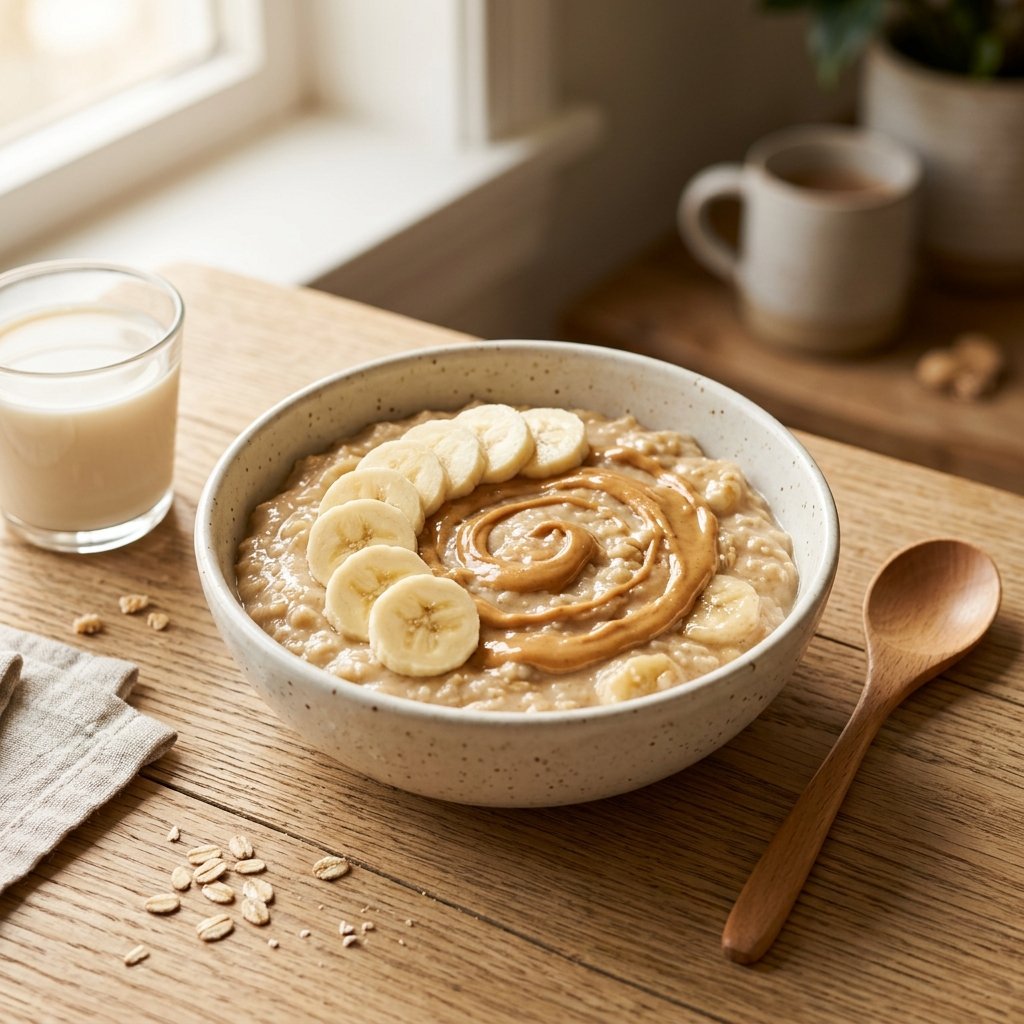
Smooth peanut butter and banana oatmeal (380 calories | 14g protein per serving)
This warm breakfast bowl combines creamy oatmeal with protein-rich peanut butter and sweet banana. The smooth texture makes it perfect for anyone who has trouble chewing. You can make this meal in just 10 minutes, and it provides steady energy throughout your morning.
Ingredients
- 1/2 cup rolled oats
- 1 cup unsweetened almond milk
- 2 tablespoons smooth peanut butter
- 1 ripe banana, mashed
- 1 tablespoon ground flaxseed
- 1/2 teaspoon vanilla extract
- 1/4 teaspoon cinnamon
- Pinch of salt
Instructions
- Pour the almond milk into a small pot and bring it to a gentle boil over medium heat.
- Add the rolled oats and salt, then reduce the heat to low. Stir occasionally and cook for 5 minutes until the oats are soft and creamy.
- Remove the pot from heat and stir in the peanut butter until it melts completely into the oatmeal.
- Mix in the mashed banana, ground flaxseed, vanilla extract, and cinnamon. Stir everything together until well combined.
- Let the oatmeal sit for 1-2 minutes to cool slightly and thicken before serving.
You can add a tablespoon of hemp seeds on top for an extra 3 grams of protein per serving.
Pureed White Bean and Roasted Beet Dip
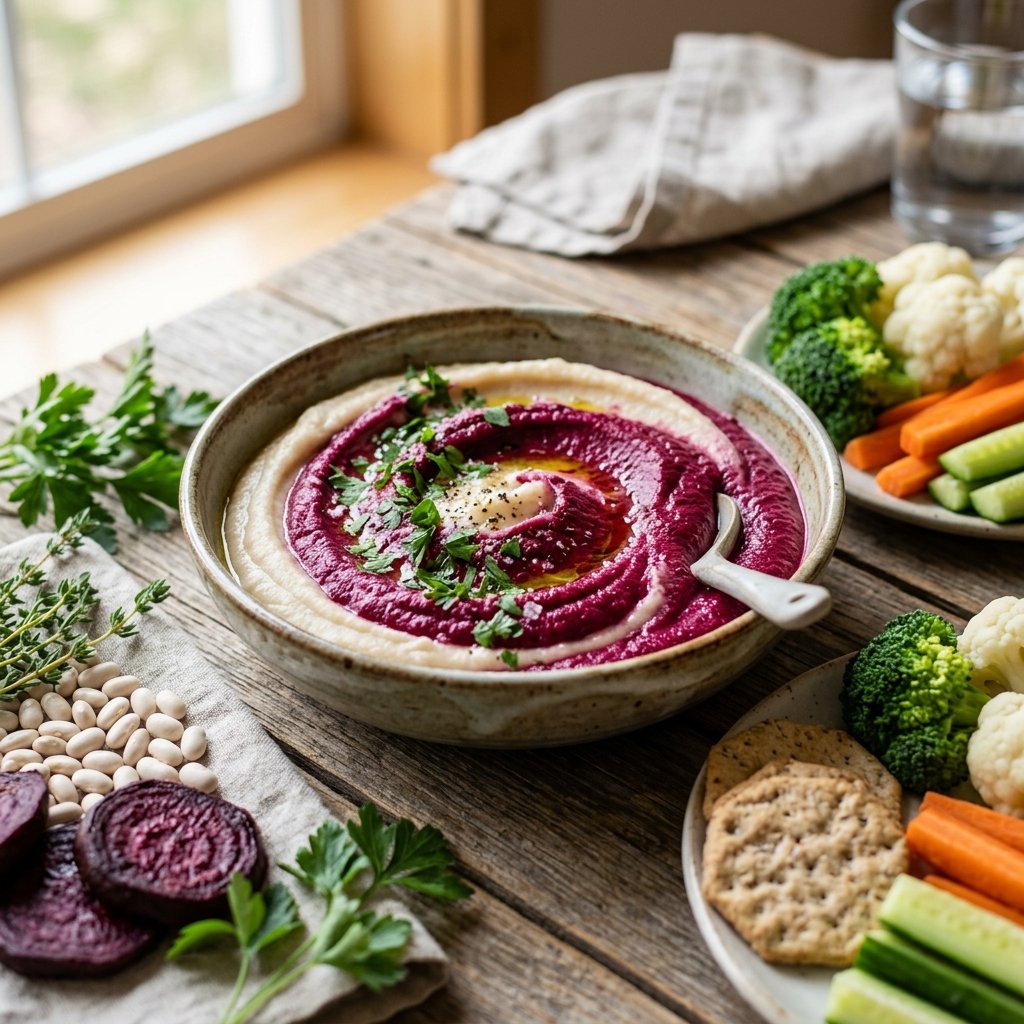
This smooth dip combines white beans and roasted beets to create a protein-rich spread that's easy to eat. Each half-cup serving provides about 150 calories and 8 grams of protein. The creamy texture makes it perfect for seniors who need softer foods.
White beans offer complete nutrition along with their protein content. The beets add natural sweetness and important nutrients. You can eat this dip with soft bread or use it as a side dish.
Ingredients
- 1 can (15 oz) white beans, drained and rinsed
- 2 medium beets, roasted and peeled
- 2 tablespoons tahini
- 2 tablespoons lemon juice
- 2 cloves garlic, minced
- 3 tablespoons olive oil
- 1/4 teaspoon salt
- 1/4 teaspoon black pepper
- 2-3 tablespoons water
Instructions
- Preheat your oven to 400°F and wrap beets in foil. Roast for 45-60 minutes until tender when pierced with a fork.
- Let beets cool, then peel off the skin with your hands or a paper towel. Cut them into chunks.
- Add beans, beets, tahini, lemon juice, and garlic to a food processor. Blend for 30 seconds.
- Pour in olive oil while the processor runs. Add salt and pepper.
- Add water one tablespoon at a time and blend until you reach a smooth, creamy texture.
- Taste and adjust seasoning if needed. Store in an airtight container in the refrigerator for up to 5 days.
Try using chickpeas instead of white beans for a slightly different flavor and the same protein benefits.
Soft tempeh and pumpkin mash
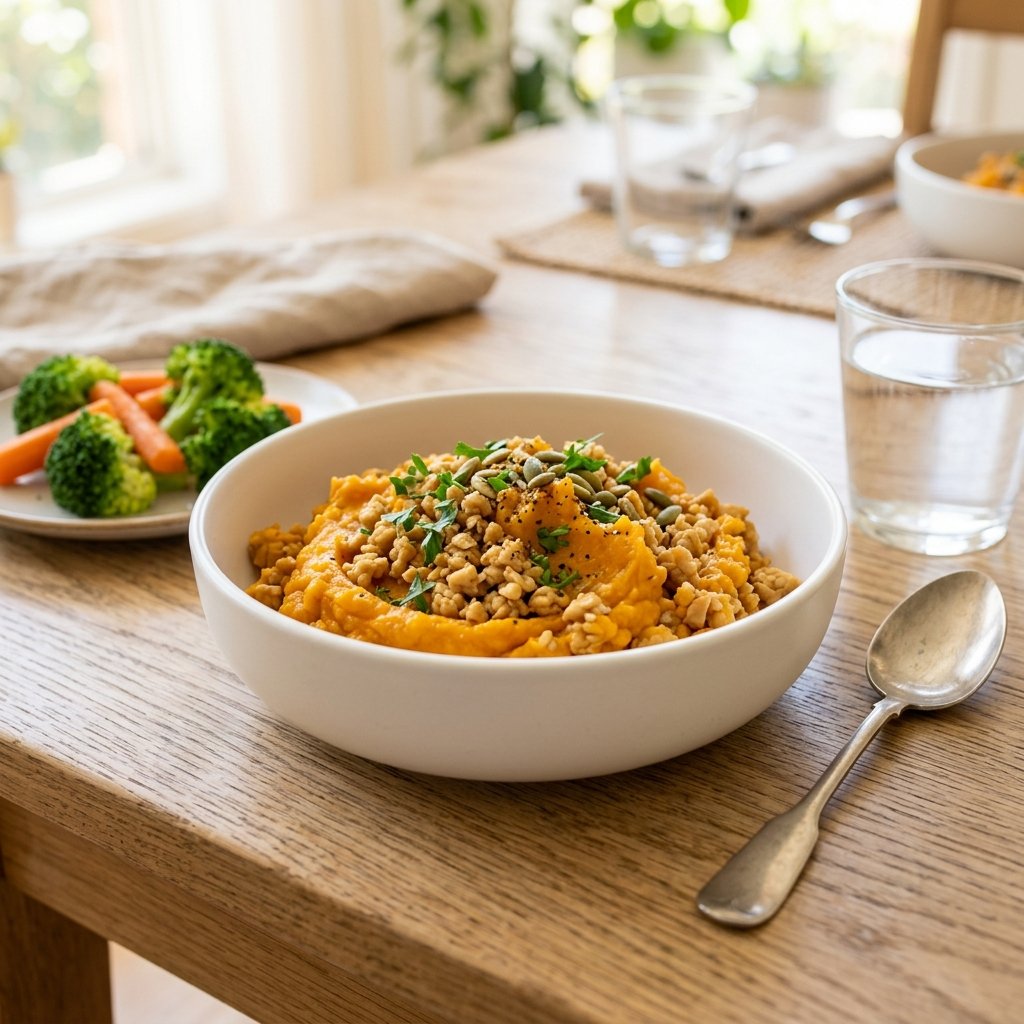
Soft Tempeh and Pumpkin Mash (280 calories | 18g protein per serving)
This creamy dish combines steamed tempeh with sweet pumpkin for a protein-packed meal that's gentle on the gums. The tempeh provides complete protein with all essential amino acids your body needs. Steaming makes the tempeh soft enough to mash easily with a fork.
The natural sweetness of pumpkin balances the nutty flavor of tempeh. This recipe works well for lunch or dinner and reheats nicely for meal prep.
Ingredients
- 6 oz tempeh, crumbled
- 1 cup pumpkin puree (canned or fresh)
- 2 tablespoons olive oil
- 1/4 cup vegetable broth
- 1/2 teaspoon garlic powder
- 1/4 teaspoon cinnamon
- Salt to taste
- Black pepper to taste
Instructions
- Steam the crumbled tempeh in a steamer basket for 15 minutes until very soft.
- Heat olive oil in a medium pan over medium heat.
- Add the steamed tempeh and mash it with a fork until it reaches your desired texture.
- Stir in the pumpkin puree and vegetable broth.
- Add garlic powder, cinnamon, salt, and pepper.
- Cook for 5 minutes, stirring often, until everything is heated through and well combined.
- If the mixture seems too thick, add more vegetable broth one tablespoon at a time.
Add a tablespoon of tahini for extra creaminess and protein.
Easy quinoa porridge with mashed berries
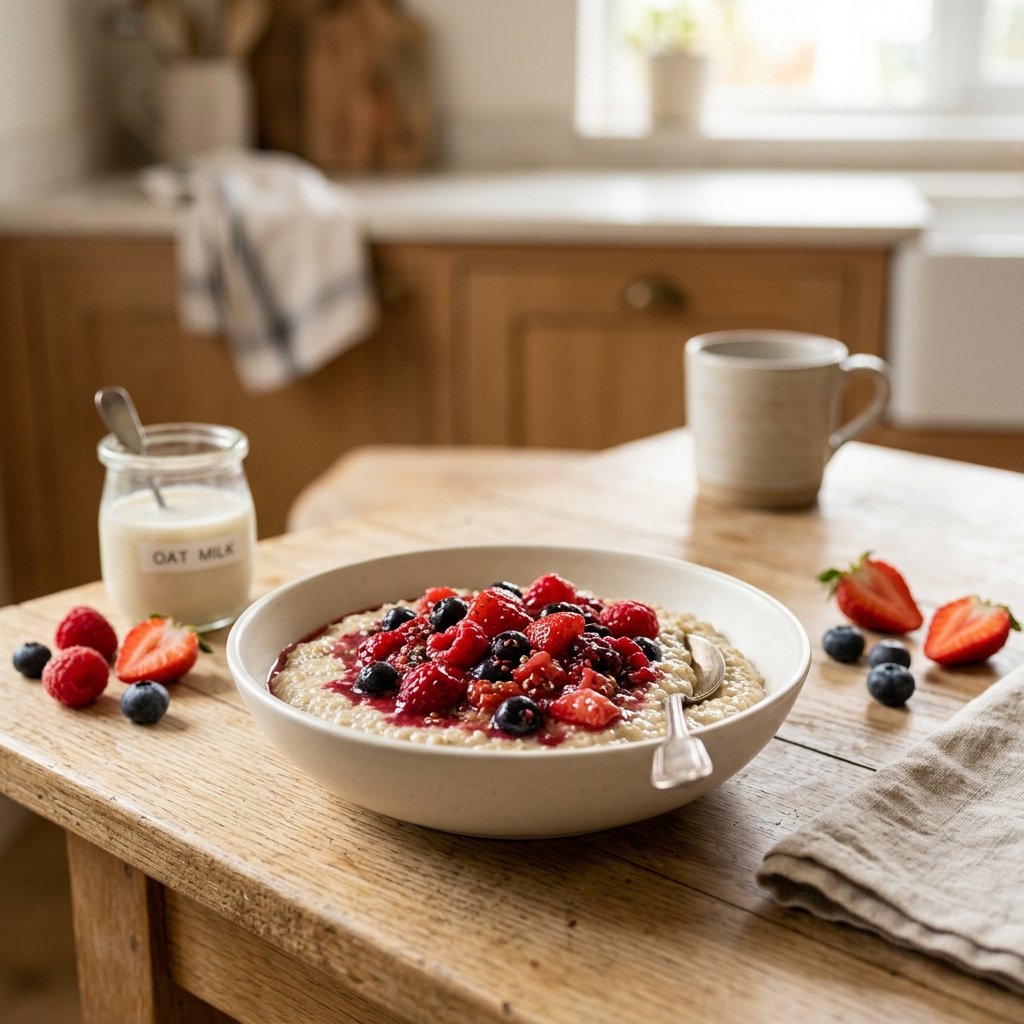
Easy quinoa porridge with mashed berries (280 calories | 11g protein per serving)
Quinoa porridge gives you a warm and gentle breakfast that's packed with complete protein. The soft texture makes it perfect for elderly people who need meals that are easy to chew. You can mash the berries right into the porridge to add natural sweetness and extra nutrients. This dish takes only about 20 minutes to make and provides a filling start to your day.
Ingredients
- 1/2 cup quinoa, rinsed
- 1 1/2 cups unsweetened almond milk
- 1/2 cup fresh or frozen blueberries
- 1/4 cup fresh or frozen strawberries
- 2 tablespoons ground flaxseed
- 1 tablespoon maple syrup
- 1/4 teaspoon vanilla extract
- 1/4 teaspoon cinnamon
- Pinch of salt
Instructions
- Add the quinoa and almond milk to a small pot and bring to a boil over medium-high heat.
- Lower the heat to a simmer and cook for 15 minutes, stirring every few minutes until the quinoa is soft and creamy.
- While the quinoa cooks, put your berries in a small bowl and mash them with a fork until they form a chunky paste.
- When the quinoa is done, stir in the ground flaxseed, maple syrup, vanilla, cinnamon, and salt.
- Let it sit for 2 minutes to thicken up, then transfer to a bowl.
- Spoon the mashed berries over the top and gently stir them through the porridge.
Add a tablespoon of hemp seeds on top for an extra 3 grams of protein per serving.
Silky Pea and Mint Soup
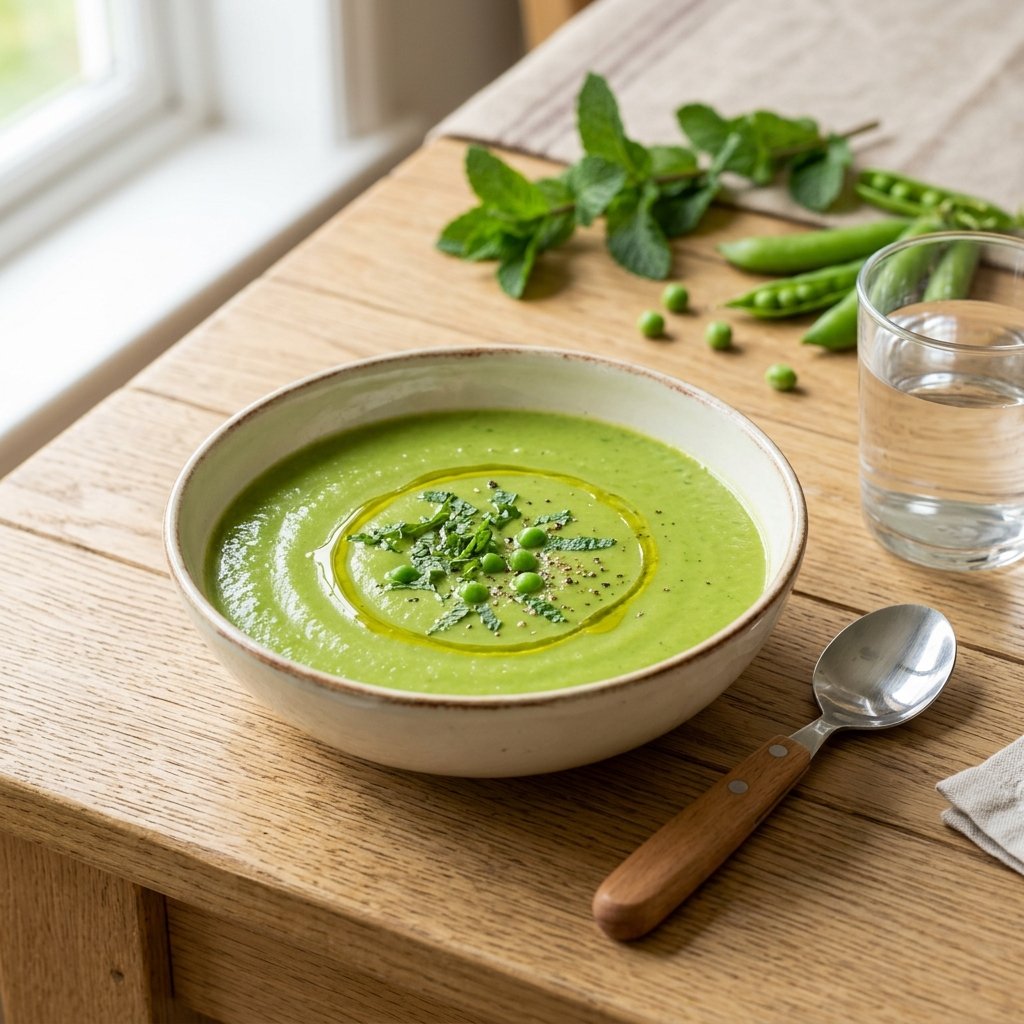
This smooth soup delivers about 12 grams of protein per serving and comes in at roughly 220 calories. Split peas provide complete protein when paired with whole grain bread. The soft texture makes it perfect for seniors who need easy-to-chew meals.
Ingredients
- 1 cup dried split peas, rinsed
- 4 cups vegetable broth
- 1 medium onion, chopped
- 2 cloves garlic, minced
- 1/2 cup fresh mint leaves
- 2 tablespoons olive oil
- 1/2 teaspoon salt
- 1/4 teaspoon black pepper
- 1/4 cup coconut cream
Instructions
- Heat the olive oil in a large pot over medium heat and add the chopped onion. Cook for 3-4 minutes until the onion becomes soft.
- Add the minced garlic and stir for 30 seconds until it smells good.
- Pour in the split peas and vegetable broth, then bring everything to a boil.
- Lower the heat and let the soup simmer for 30-35 minutes until the peas are completely soft.
- Turn off the heat and add the fresh mint leaves to the pot.
- Use a blender to puree the soup until it's completely smooth and creamy. You can use an immersion blender right in the pot or transfer it to a regular blender in batches.
- Stir in the coconut cream, salt, and pepper.
- Taste and add more salt if needed before serving warm.
Add a tablespoon of hemp seeds on top for an extra 3 grams of protein per serving.
Baked mashed cauliflower with nutritional yeast
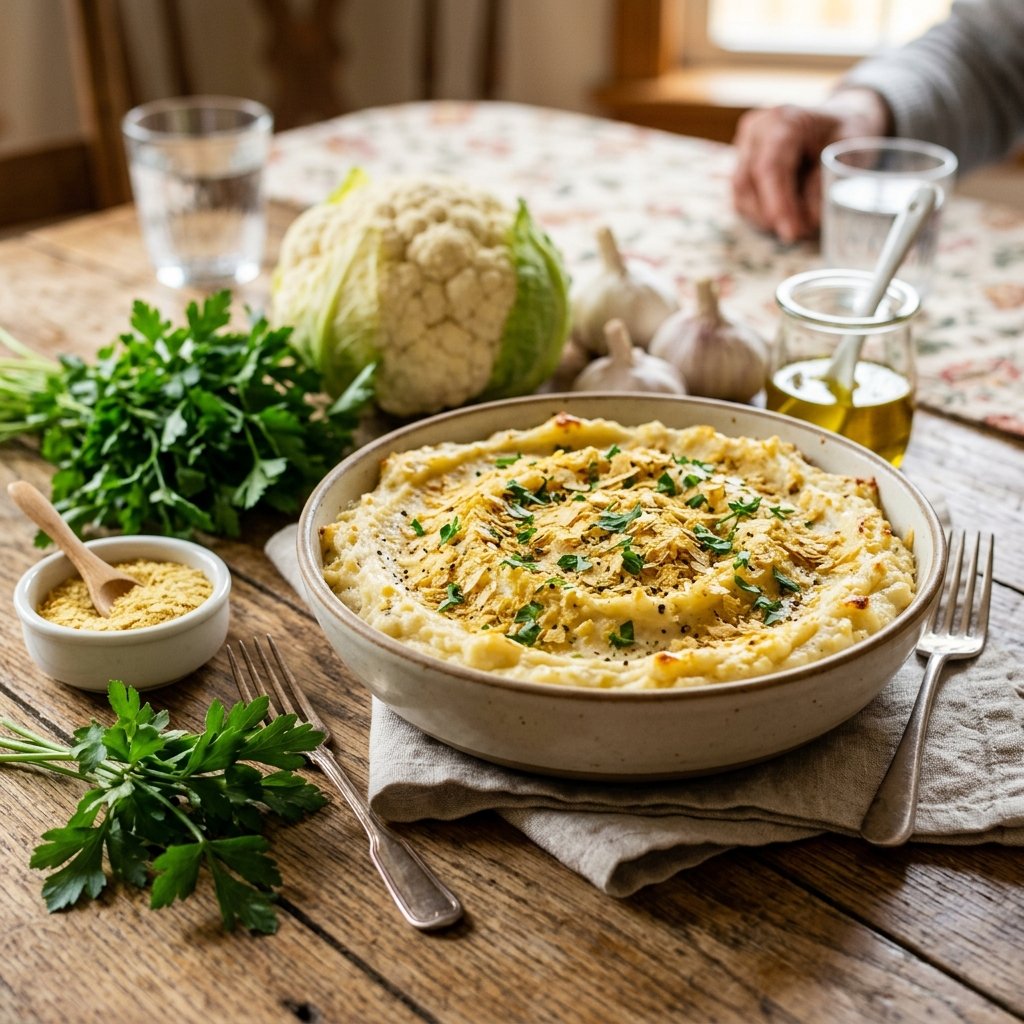
Baked Mashed Cauliflower with Nutritional Yeast (180 calories | 12g protein per serving)
This creamy dish gets its protein from nutritional yeast, which adds a cheesy flavor and packs 8 grams of protein per quarter cup. The soft texture makes it perfect for elderly people who need easy-to-chew meals. You can prepare this in about 30 minutes, and it works as a side dish or light main course.
The nutritional yeast also provides B vitamins that many vegans need. This recipe is gentle on the jaw and requires almost no chewing effort.
Ingredients
- 1 large head of cauliflower, cut into florets
- 3 tablespoons nutritional yeast
- 2 tablespoons olive oil
- 1/4 cup unsweetened almond milk
- 2 cloves garlic, minced
- 1/2 teaspoon salt
- 1/4 teaspoon black pepper
- 1 tablespoon fresh parsley, chopped
Instructions
- Preheat your oven to 375°F and lightly oil a baking dish.
- Boil the cauliflower florets in salted water for 10-12 minutes until very soft and tender.
- Drain the cauliflower well and transfer it to a large bowl.
- Add the nutritional yeast, olive oil, almond milk, garlic, salt, and pepper to the bowl.
- Mash everything together with a potato masher or fork until smooth and creamy.
- Transfer the mashed cauliflower to your prepared baking dish and spread it evenly.
- Bake for 15 minutes until the top is lightly golden.
- Remove from the oven and sprinkle with fresh parsley before serving.
Add a tablespoon of tahini to boost the protein to 15 grams per serving and create an even creamier texture.
Nutritional Considerations for Older Adults
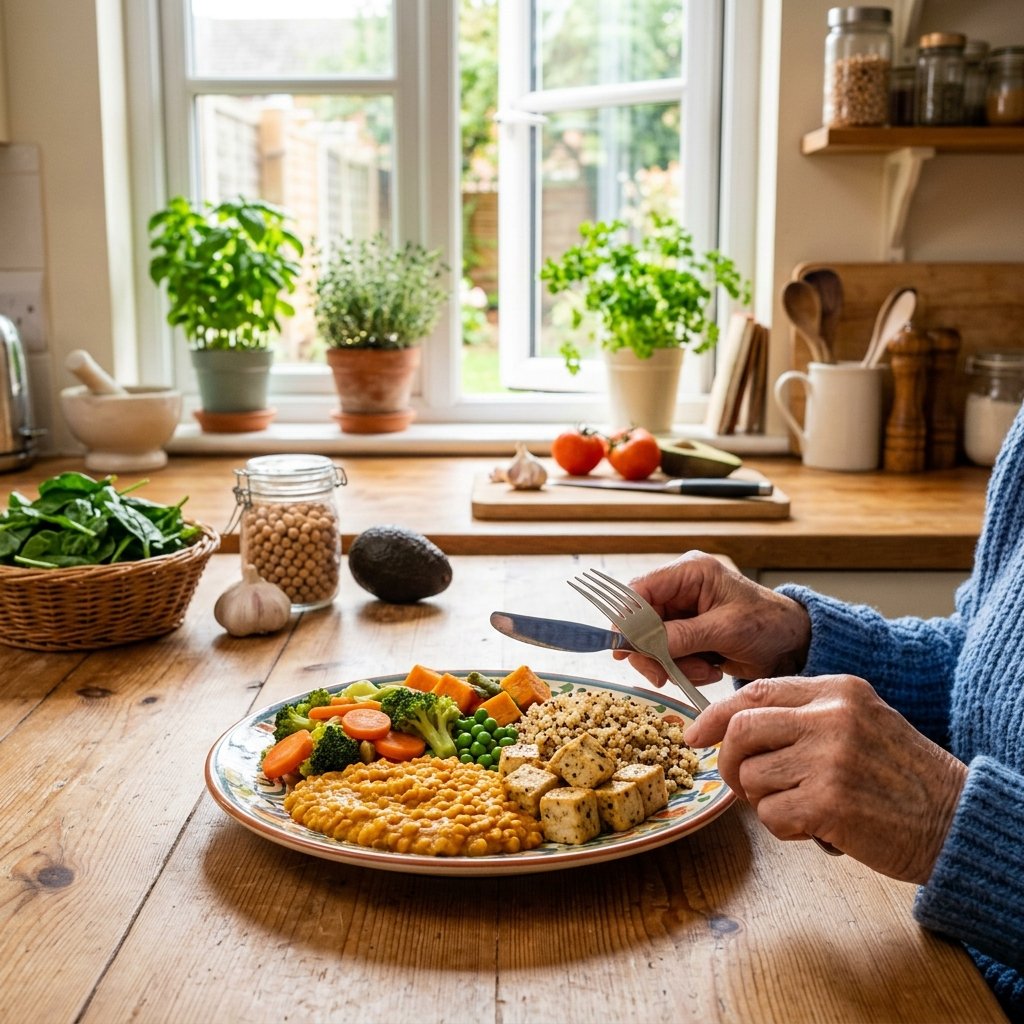
Older adults need more protein to maintain muscle mass, and softer foods can help when chewing becomes difficult. Getting the right balance of nutrients becomes especially important as the body changes with age.
Importance of Protein in Senior Nutrition
Your body needs more protein as you age, not less. Adults over 65 should aim for 1.0 to 1.2 grams of protein per kilogram of body weight each day. This is higher than the 0.8 grams recommended for younger adults.
Protein helps you maintain muscle mass and strength. Without enough protein, you can lose muscle quickly, which makes everyday tasks harder and increases your risk of falls.
Plant-based proteins from beans, lentils, tofu, and quinoa can meet these needs effectively. These foods also provide fiber and other nutrients that support your overall health. You don't need animal products to get adequate protein.
Common Challenges With Chewing and Swallowing
Many older adults experience difficulty chewing due to dental issues, ill-fitting dentures, or reduced jaw strength. Dry mouth is also common and makes swallowing harder.
Some medications reduce saliva production, which makes food feel dry and difficult to swallow. Foods that are too hard, dry, or sticky can become choking hazards.
Signs of chewing or swallowing problems:
- Avoiding certain foods
- Taking longer to finish meals
- Coughing during or after eating
- Food remaining in your mouth after swallowing
Soft, moist foods with smooth textures work best. Adding sauces, gravies, or broths helps food go down easier. You can also blend or mash foods to make them safer to eat.
Balancing Macro- and Micronutrients
You need adequate amounts of carbohydrates, fats, and proteins each day. Carbohydrates should come from whole grains, fruits, and vegetables rather than refined sugars.
Healthy fats from nuts, seeds, and avocados support brain health and help your body absorb vitamins. Your body needs vitamins D and B12 more as you age, along with calcium for bone health.
Key nutrients to prioritize:
- Vitamin B12: 2.4 micrograms daily
- Vitamin D: 800-1000 IU daily
- Calcium: 1200 milligrams daily
- Fiber: 21-30 grams daily
Iron and zinc are also important for immune function. Eating a variety of colorful vegetables ensures you get different antioxidants and phytonutrients your body needs.
Tips to Make Vegan Meals Easier to Chew
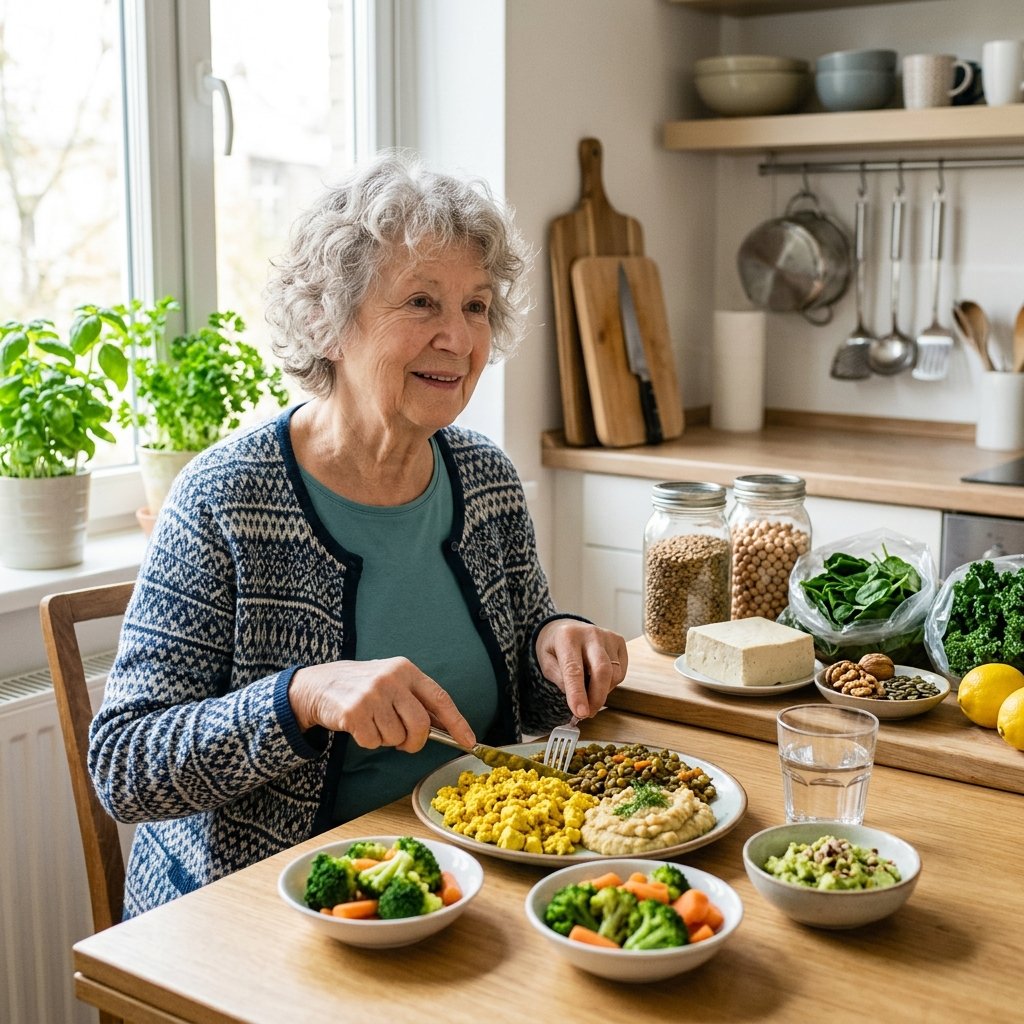
Making plant-based meals soft and easy to eat involves using the right cooking methods and swapping out hard ingredients for gentler options. These simple changes help you enjoy nutritious vegan food without struggling to chew.
Cooking Techniques for Softer Textures
Steaming vegetables until they're fork-tender is one of the best ways to make them easier to chew. You can steam broccoli, carrots, and cauliflower for 10-15 minutes until they're soft enough to mash with a fork.
Slow cooking works well for beans, lentils, and grains. When you cook these foods low and slow for several hours, they become much softer than quick-cooking methods. A slow cooker or Instant Pot on the low setting breaks down tough fibers naturally.
Blending soups and stews creates smooth textures that need almost no chewing. You can use an immersion blender right in the pot or transfer portions to a regular blender. Mashing cooked beans and vegetables with a potato masher gives you a chunky but soft consistency that's still easy to eat.
Roasting at lower temperatures (around 325°F) for longer periods makes vegetables tender without creating crispy edges. Add a bit of vegetable broth or water to your roasting pan to keep foods moist.
Ingredient Substitutions for Tender Results
Replace whole nuts with nut butters or finely ground nut meals in your recipes. Almond butter, peanut butter, and cashew butter provide the same protein and healthy fats without the hard texture. You can also soak raw nuts in water overnight to soften them before blending into sauces.
Use silken tofu instead of firm tofu for softer protein options. Silken tofu blends smoothly into smoothies, puddings, and creamy sauces while still giving you about 8 grams of protein per serving.
Swap raw vegetables for cooked ones in salads and bowls. Cooked sweet potatoes, steamed beets, and roasted butternut squash are much easier to chew than raw carrots or celery. Choose white beans or chickpeas that you've cooked until very soft instead of firmer varieties like kidney beans.
Pick soft grains like quinoa, oatmeal, and cream of wheat over chewy grains like farro or wheat berries. These cook to a tender consistency and provide good amounts of protein when you eat them regularly.